



 0752-2228195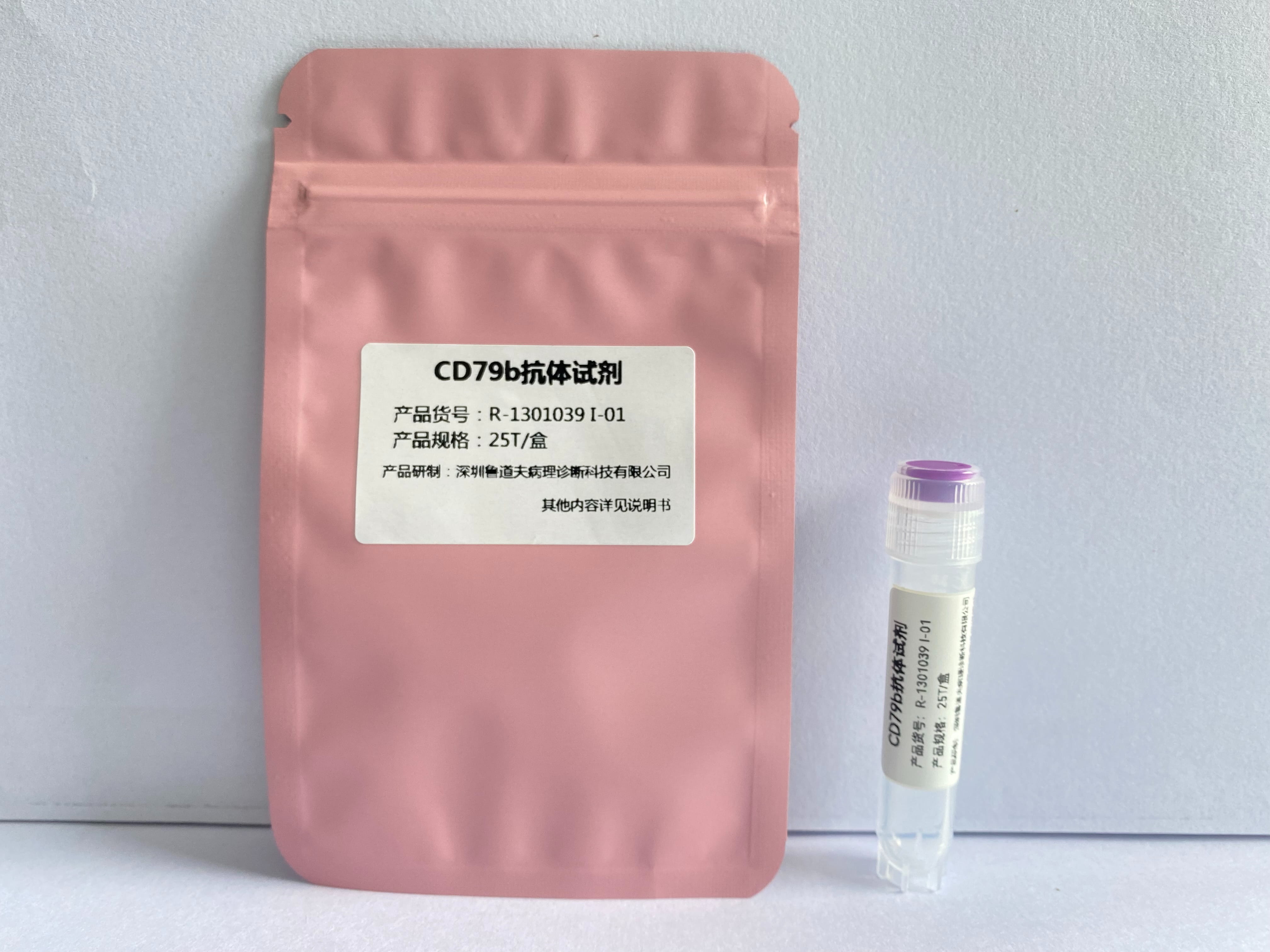
CD79b antibody reagent
Wholesale Price(RMB):
Product Code:R-1301039Ⅰ-01/R-1301039Ⅰ-02
File Number:

Overview of CD79b molecular target information
Molecular name: CD79b (Cluster of Differentiation 79b)
Gene family: B-cell receptor (BCR) complex gene family
Alias: Immunoglobulin β-chain (Igβ)
Formerly known as: B29
Overview of the molecular targets of CD79b
The molecular weight of the CD79b is 37-39 kD, and is expressed on B lymphocytes. It belongs to the immunoglobulin superfamily and forms a heterodimer with CD79a containing a disulfide bond. The polymer is an analogue of CD3 and a component of the B-lymphocyte antigen receptor complex.BCR is internalized upon binding to specific antigens and presents antigen to T-lymphocytes via MHC molecules. After cross-linking sIg with multivalent antigen, tyrosine phosphorylation of CD79b cells occurs and B lymphocytes are directly activated by the ligands and related molecules: B lymphocyte surface Ig and CD179a/CD179b.
CD79b is a specific marker for normal or tumorigenic B lymphocytes. The anti-CD79b monoclonal antibody also binds to the cytoplasm, and CD79b is detected in both normal B lymphocytes and tumor B lymphocytes at the differentiation stage.CD79b is used in the diagnosis of BCR-deficient immunodeficiency, and also in the differentiation of normal B lymphocytes from tumor B lymphocytes.




Copyright: Shenzhen Rudolf Pathological Diagnosis Technology Co., Ltd