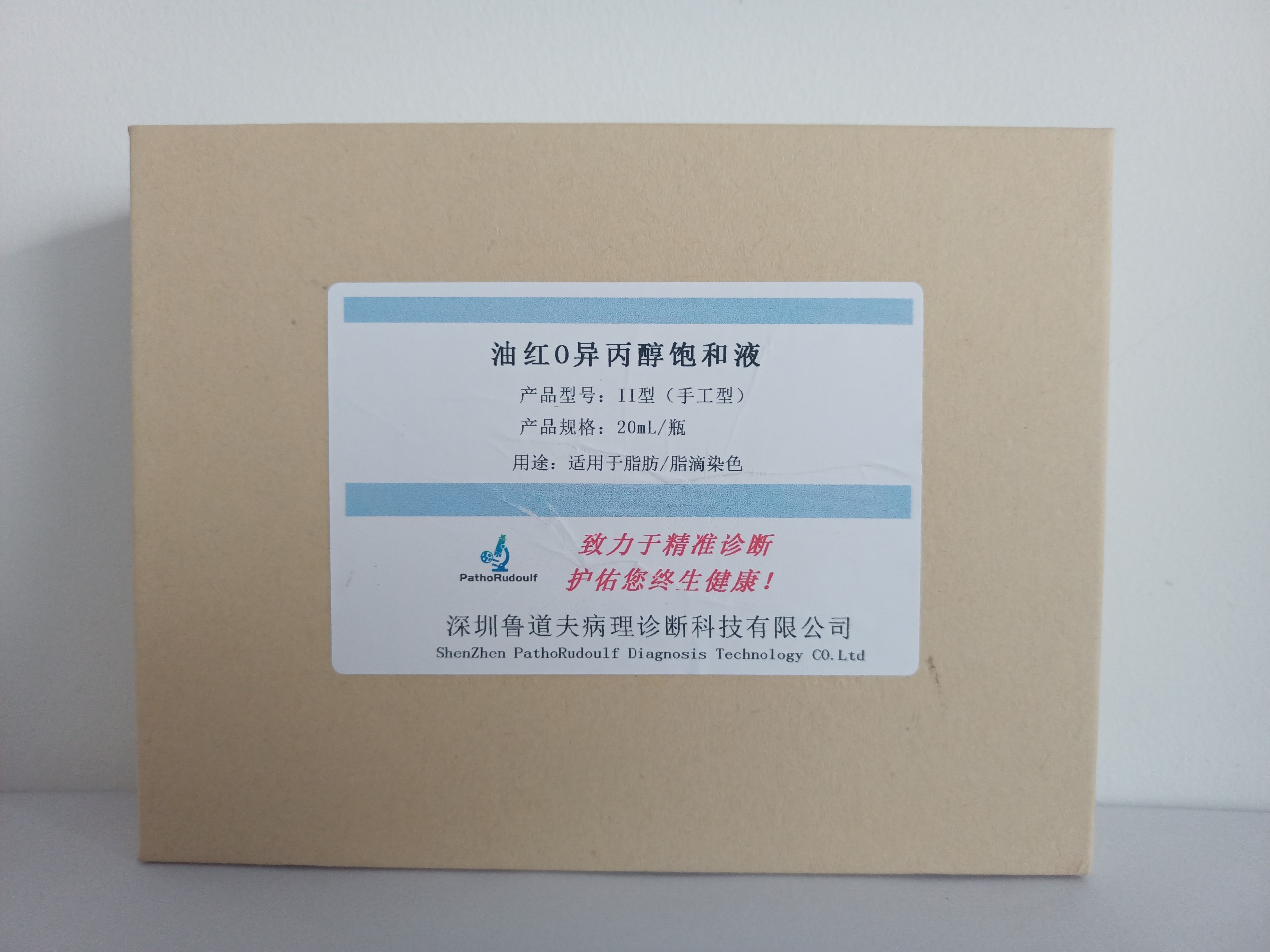
Lipid (Lipid) is a general term for neutral fats, lipids and their derivatives, whose common physical properties are insoluble in water and soluble in organic solvents (e.g., ethanol, ether, etc.). There are two main types of fat in the human body: 1, storage fat, such as neutral fat, mainly distributed in the subcutaneous, kidneys, pancreas and other parts of the body; 2, structural fat, such as lipids (phospholipids, glycolipids, cholesterol, etc.), mainly distributed in the cells, neutral fat (Neutral fat) is composed of three molecules of fatty acids and one molecule of glycerol composed of lipids, neutral, neutral fat is one of the ways of storing energy in oxidation energy is released when oxidized. Under normal circumstances, except for fat cells, other cells in the light microscope almost can not see the lipid droplets, if a large number of lipid droplets appear in the cytoplasm, that is, fatty degeneration, commonly found in hepatocytes, cardiomyocytes, renal tubular epithelial cells, etc., the neutral fat staining is often used in Sudan Ⅱ, Sudan Ⅲ, Sudan Ⅳ, Sudan black B, oil red O method. The traditional method uses Sudan dyes, recently found that the azo dye oil red O is more suitable for fat staining, oil red O is a very strong lipid solvent and lipid staining agent, easier to combine with triglycerides in the form of small lipid droplets, and phospholipids with a slightly poorer binding power, the staining principle is generally considered to be the physical role of solution or adsorption, through the role of the solution to make the fat staining, the dye in the frozen section of the lipid solubility is greater than that of the original solvent. The dye is more soluble in lipids in frozen sections than in the original solvent, so the dye is transferred from the organic solvent into the lipid during staining and stains the fat.
Oil red O staining is mainly used to show fatty degeneration of tissues and organs and abnormal deposition of lipids, often occurring in the liver, kidney, heart and other parenchymal organs of fatty degeneration, the majority of intracellular neutrophilic fat droplets; identification and diagnosis of tumors occurring in adipose tissues and their nature, the specimen does not contain ethanol fixative (such as need for fixation can be used in 10% formalin), and does not use paraffin sections, need to be used in frozen sections Positive staining of fat results in an orange to red color, but the exact color depends on the lipid concentration.





 0752-2228195