Alkaline phosphatase (ALP or AKP) is a class of phosphatase enzymes widely distributed in mammalian tissues, with an optimal pH for activity of 9.2-9.8. The enzyme is mainly found in areas of active substance exchange (cell membranes), such as the intestinal epithelium and the brush border of the proximal tubule of the kidneys, the static cilium of the epithelium of the epididymis, the capillary cholangiophore of the liver, and the endothelium of the arterial portion of microarterioles and capillaries. The enzyme is also found in the endoplasmic reticulum, Golgi complex, phagocytic vesicles, lysosomes of the intestinal epithelium, neutrophil neutrophil granules, and the cell membranes and phagocytic vesicles of smooth muscle.
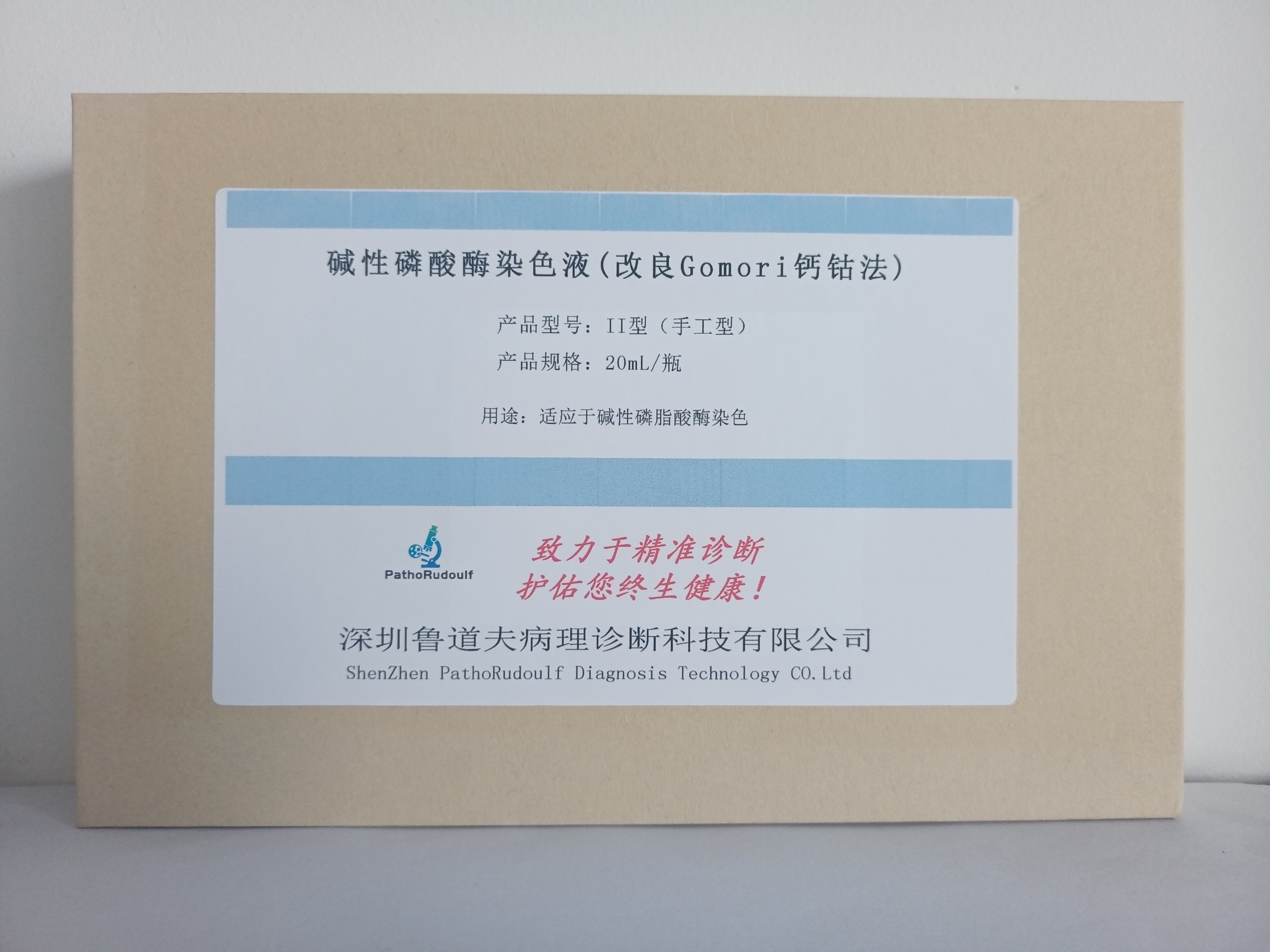
Alkaline phosphatase stain (Modified Gomori Calcium-Cobalt Method) uses the metal precipitation method to show alkaline phosphatase activity. This method uses naturally occurring sodium β-glycerophosphate as the substrate, which is hydrolyzed by the enzyme to release phosphoric acid, which combines with calcium ions to form a calcium phosphate precipitate, which is then sequentially replaced with cobalt phosphate and cobalt sulfide, with the final product being a black cobalt sulfide precipitate.





 0752-2228195