Clinical parasite testing is mainly used to detect and identify parasites from clinical specimens, providing a reliable basis for clinical diagnosis, treatment, prevention and epidemiological investigation. The detection of parasitic pathogens is the basis for confirming the diagnosis of parasitic infections and is the main examination method at present. In some parasitic diseases, it is difficult to detect the pathogen, and immunological or molecular biological methods can be used to assist the diagnosis.
Stool samples are the most common samples used in the laboratory for the diagnosis of parasitic infections, and each sample can be examined in three separate steps: direct smear, concentration method, and permanent stained smear. The direct smear method requires fresh stool and can detect active protozoan trophozoites, protozoan cysts, helminth eggs and larvae; the concentration method improves the detection of protozoan cysts, coccidian oocysts, microsporidian spores, and helminth eggs and larvae, and is available as a sedimentation method and a floating polymerization method; and the permanent stained smear is more easily used for the identification of intestinal protozoans. Among them, the permanent staining method allows for the confirmation of suspects found in wet smears, as well as the identification of protozoa not found in wet smears. Other samples from the intestine, such as duodenal aspirates or drains, mucus obtained by the enteric capsule method, and samples obtained by sigmoidoscopy, can also be examined for protozoa by permanent staining. Several staining methods are available, the most commonly used being iron-hematoxylin stain and Wheathley's trichrome stain.
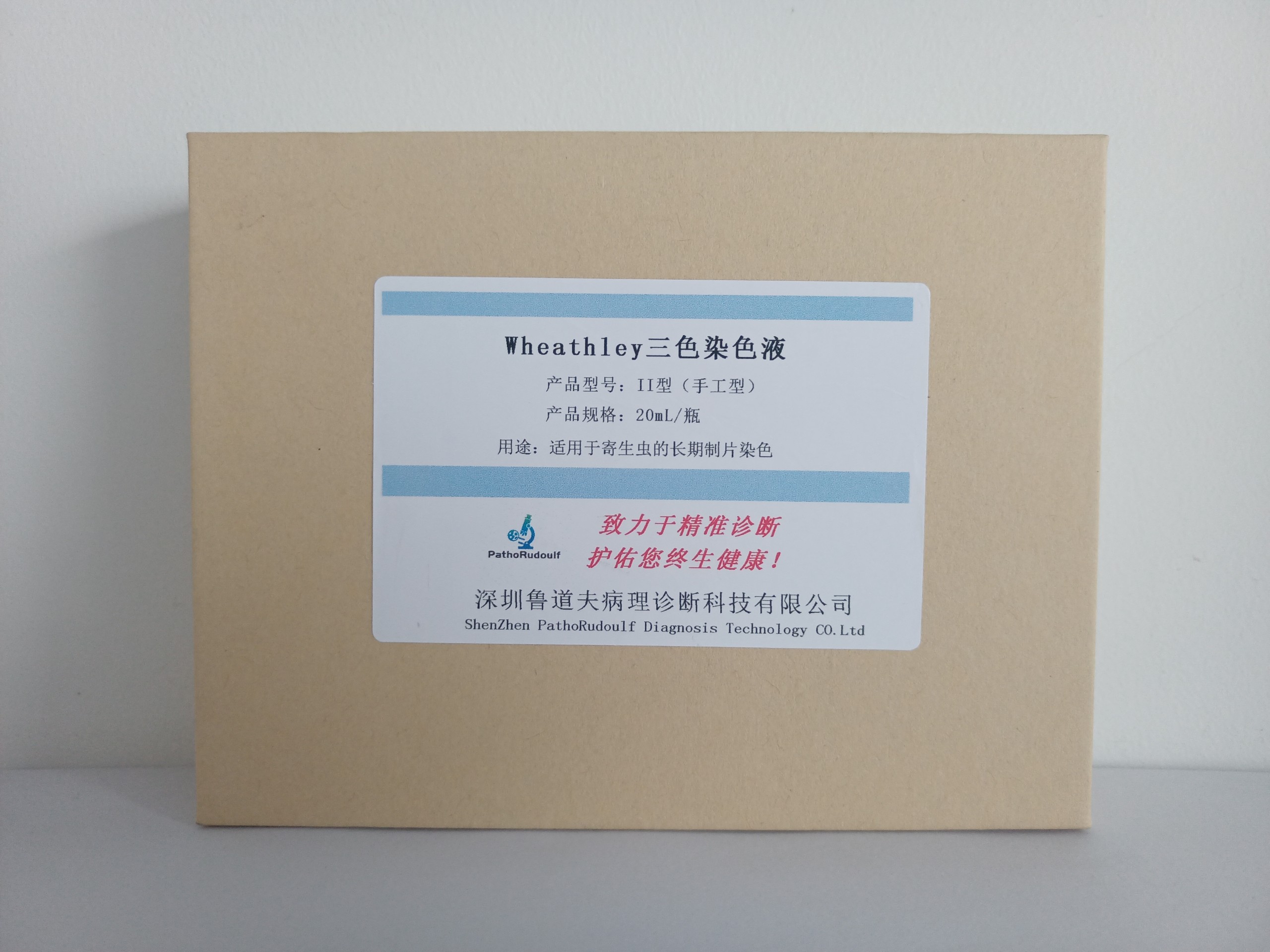
Wheatley Trichrome Stain, also known as Wheatley's Trichrome Stain, was originally developed by Gomori and used to stain tissue sections and cell smears.In 1951, Wheatley improved upon Gomori's technique by adding a fixation and dehydration process, resulting in a simple, rapid staining procedure for intestinal amoebas and flagellates. and flagellate staining procedures.Chromotrope 2R stains nuclear chromatin, chromatin, nucleosomes, parasite eggs and larvae, bacteria, and phagocytosed erythrocytes a reddish purple color; light or solid green dyes stain the cytoplasm of encapsulated cysts, trophozoites, and other cellular constituents a bluish green color. This product is commonly used to detect, identify and differentiate intestinal protozoa from background material from fecal samples.





 0752-2228195