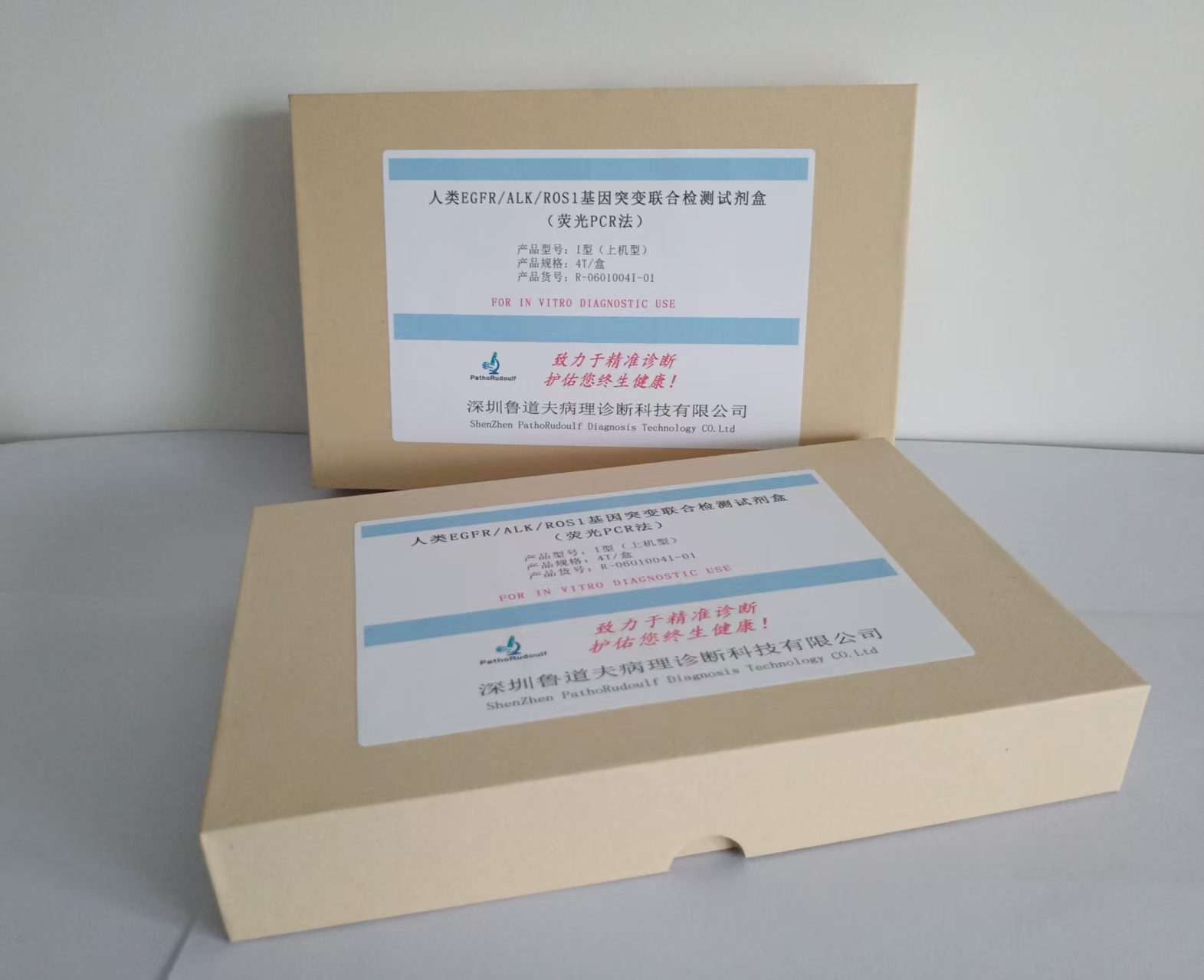
In recent years, in the field of molecular targeted therapy for lung cancer, the research hotspots mainly focus on EGFR, ALK and ROS1 targets. Among NSCLC patients, the proportion of EGFR gene mutations in the East Asian population is about 35-40%, and about 90% of the mutations are exon 19 deletions and L858R mutations; the proportion of ALK gene fusions is about 3-11%; and the proportion of ROS1 gene fusions is about 2-4%.
The EGFR gene is an important biomarker for NSCLC patients treated with Tyrosine Kinase Inhibitors (TKIs), such as Erizal, Terokai, and Kemena, etc. NSCLC patients with ALK gene fusion and ROS1 gene fusion can benefit from treatment with the targeted drug Cyclobenzaprine.
The National Comprehensive Cancer Network (NCCN) Clinical Practice Guidelines, the European Society for Medical Oncology (ESMO) Lung Cancer Consensus, and the Chinese Expert Consensus on Molecular Targeted Therapy for Advanced Non-Small Cell Lung Cancer all clearly recommend that NSCLC patients should be tested for the EGFR, ALK, and ROS1 genes prior to treatment, and that the appropriate treatment strategy should be decided based on the gene status, and recommend that the units in which the conditions are available should conduct tests for the three genes at the same time. It is also recommended that units with the necessary conditions conduct the testing of the three genes at the same time.





 0752-2228195