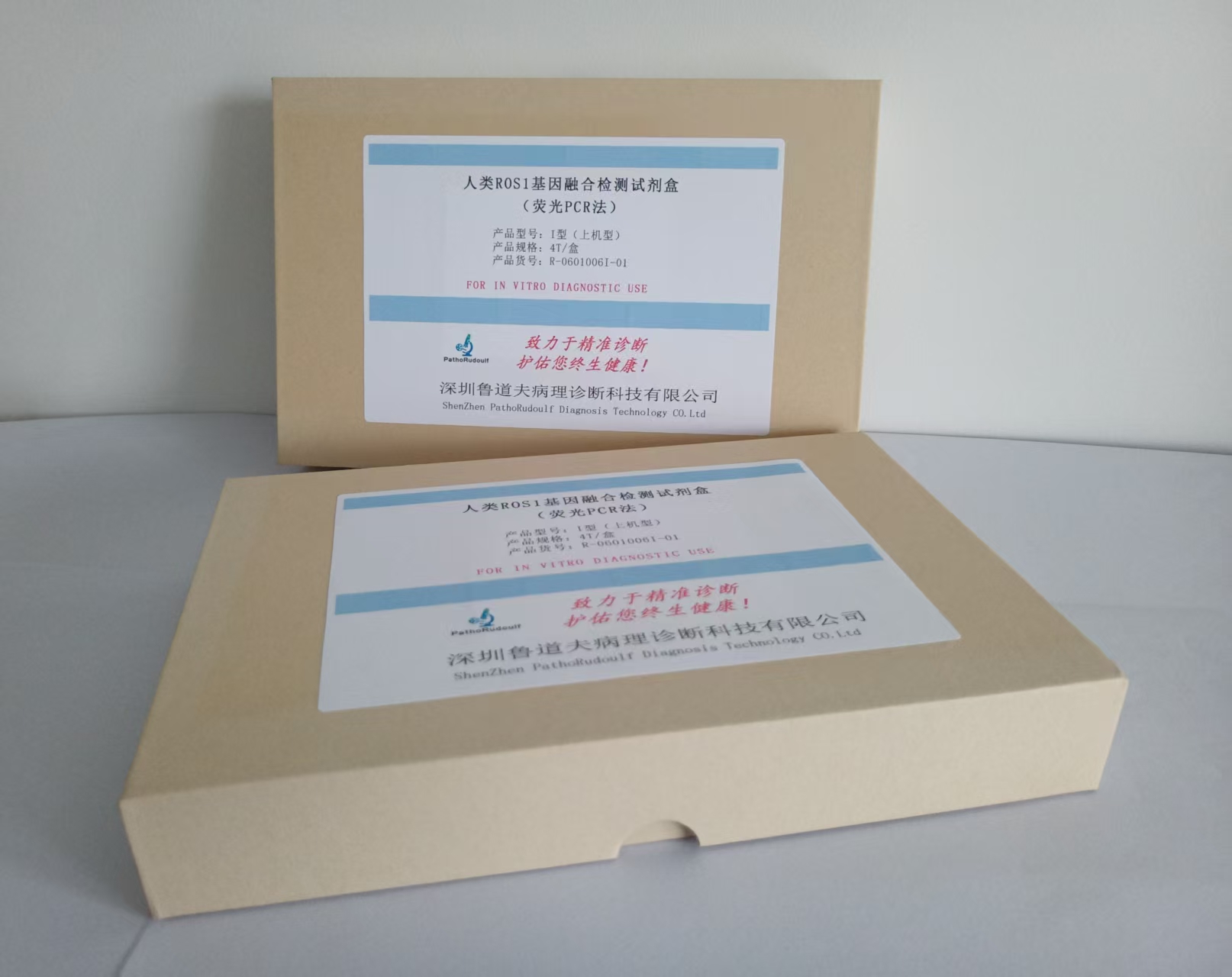
The ROS1 gene encodes a receptor tyrosine kinase, and when fused with SLC34A2, CD74 and other genes, it will persistently activate the ROS1 tyrosine kinase region and downstream signaling pathways such as JAK/STAT, PI3K/AKT, RAS/MAPK, etc., which in turn causes tumorigenesis.The incidence of ROS1 gene fusion in non-small cell lung cancer is about 2-4%, and it mainly occurs in young, non-smoking patients with adenocarcinoma. The National Comprehensive Cancer Network (NCCN) Clinical Practice Indicators and the European Society for Medical Oncology (ESMO) Lung Cancer Consensus both clearly indicate that ROS1 gene fusion is an important biomarker for predicting the efficacy of ROS1 inhibitors such as the targeted drug crizotinib, and that ROS1-positive NSCLC patients can benefit from ROS1 inhibitor therapy.On March 11, 2016, crizotinib received FDA approval for the treatment of ROS1-positive metastatic non-small cell lung cancer.





 0752-2228195