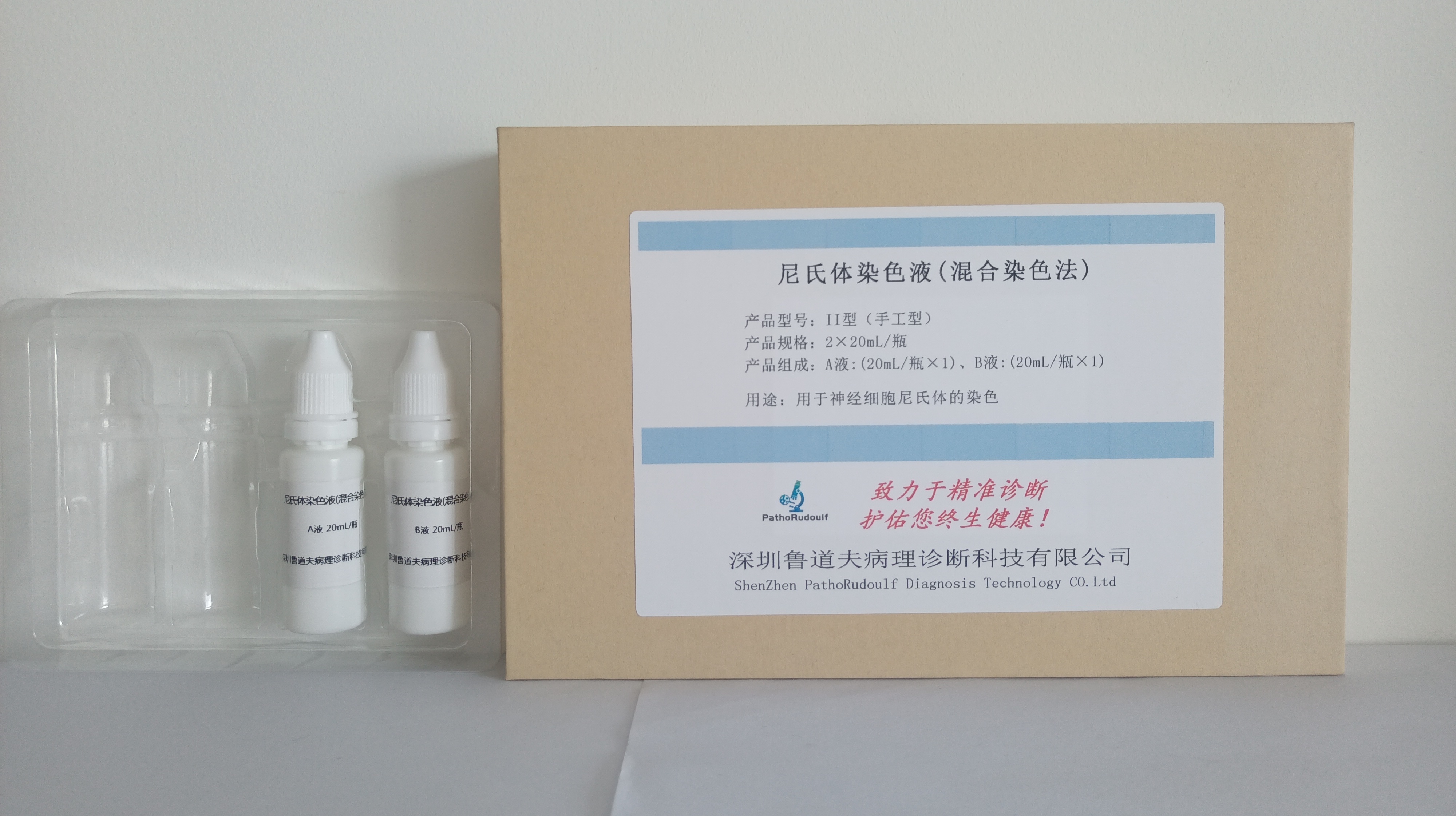
The neuronal cell body consists of a large nucleus with a ruffled nuclear membrane, sparse chromatin, and a conspicuous nucleolus, in which the cytoplasm is composed of Nysted granules, i.e., basophilic granules that are representative of the rough endoplasmic reticulum and that give rise to specific patchy basophilic manifestations in many neurons. Nissen granules can be visualized with a number of stains such as neutral red, methylene blue, toluidine blue, and methyl violet, and the variability of staining, pH, and time of differentiation allows some stains to highlight both the Nissen material alone and the nucleus and glia of the neuron. Nissl bodies, or Nissl vesicles, are small, triangular or oval-shaped masses distributed in the cytoplasm of nerve cells that can be stained a purplish-blue color by basic dyes such as sulphur cordyceps, methylene blue, toluidine blue, and tar violet; Nissl bodies are found in all types of nerve cells but often differ in shape, number, and location, and they are also found in dendrites but not in axons and axon thalamus of the encapsulated body . Nitrosomes change as a result of physiological states; they are an important site of synthetic protein synthesis within the neuron; when a neuron is stimulated, the number of nitrosomes within the envelope decreases significantly.





 0752-2228195