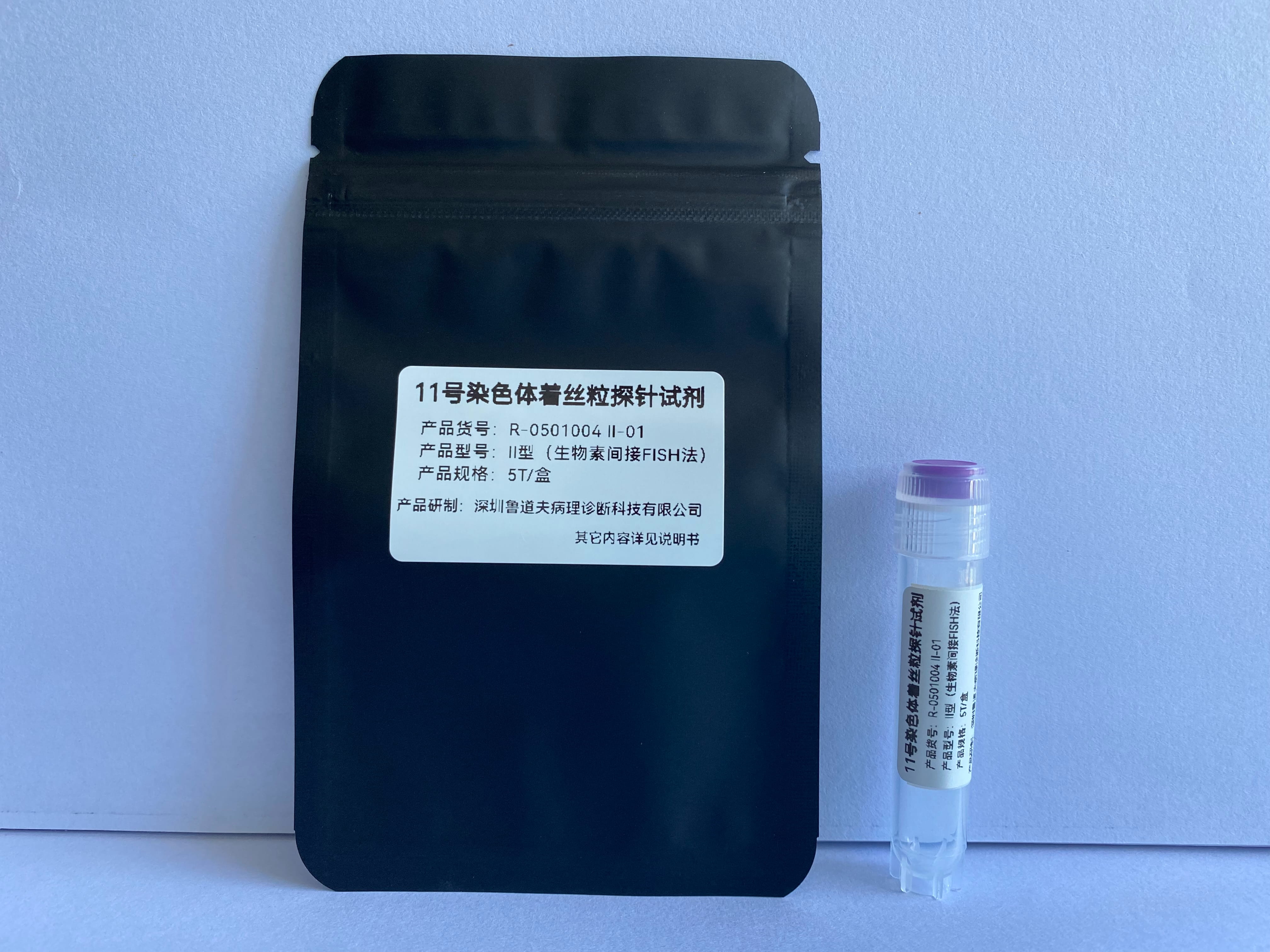
Urologic Tumors - Clear Cell Papillary Renal Cell Carcinoma: New subtypes of renal tumors were added to the WHO in 2016 with distinctive cytogenetic abnormalities that aid in diagnosis and differential diagnosis. Acquired cystic kidney disease (ACD)-associated renal cell carcinomas present with abnormalities of chromosomes 3, 7, 16, 17, and Y. Clear cell papillary renal cell carcinoma is a low-grade malignant rare tumor that morphologically needs to be differentiated from a variety of renal carcinomas with clear cell and papillary structures, including clear cell renal carcinoma, papillary renal cell carcinoma, and Xp11 translocation renal carcinoma. Clear cell papillary renal cell carcinoma does not have the 3p deletion, mutations in the VHL gene, or the acquisition of chromosomes 7 and 17 and deletion of the Y chromosome that are characteristic of papillary renal carcinoma. In addition, the cytogenetic abnormality in smoky cell renal cell carcinoma is the occurrence of deletions on chromosomes 1/2/6/10/13/17/21, which can be differentiated from eosinophilic renal cell tumor.
Acute lymphoblastic leukemia ALL: Detection of hyperdiploidy, involving chromosomes 4/10/17 has a relatively good prognosis. Hyperdiploidy (>50 chromosomes) accounts for 25% of B-cell ALL in children (the most common chromosomal abnormality), but only 7% of adult ALL.





 0752-2228195