Central nervous system tumors
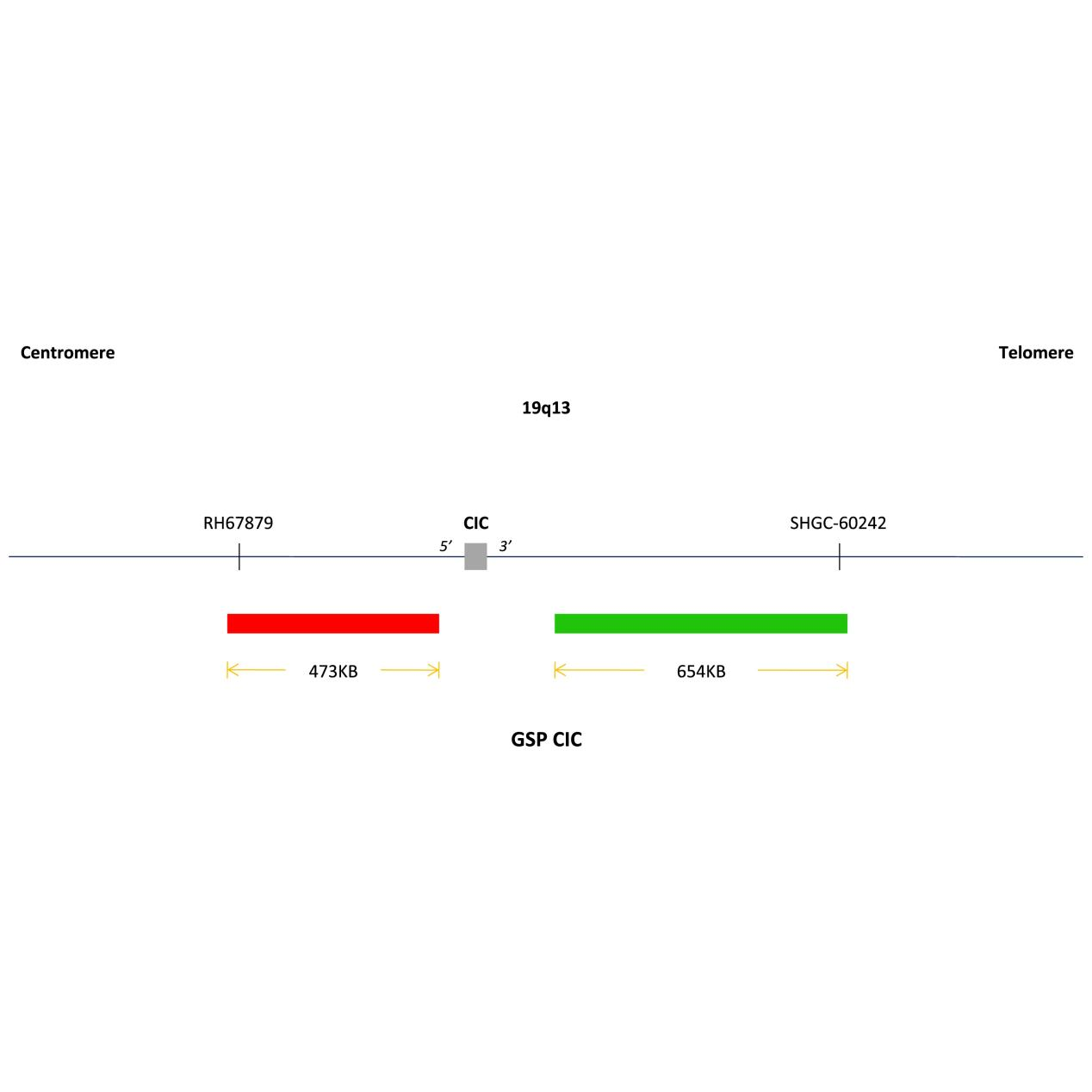
One of the molecular subtypes of CNS-PNETs, “CNS-EFT-CIC” (Ewing sarcoma with CIC gene abnormalities), has unique histopathological and clinical characteristics.
Undifferentiated/unclassified sarcomas
According to the 2019 WHO classification, tumors with EWSR1 or FUS rearrangements can be divided into two types based on their fused partner genes: those with EWSR1 or FUS genes fused to ETS family transcription factors are defined as Ewing sarcoma; while those with EWSR1 or FUS fusions with non-ETS partner genes are defined as “small round cell sarcomas with EWSR1-non-ETS fusions,” eliminating the previous definition of Ewing family tumors. In addition to EWSR1 or FUS rearrangements, some small round cell tumors such as BCOR-CCNB3 and CIC-DUX4 were previously classified under the Ewing family of tumors. However, according to the 2019 WHO classification, tumors with these two genetic abnormalities are now listed separately, separated from the Ewing family of tumors, and named based on the fusion gene;
The CIC-DUX4 fusion gene classification accounts for approximately 50% of EWSR1-negative small round cell sarcomas in children. CIC-positive sarcomas primarily occur in soft tissues, with variable CD99 expression and nuclear WT1 expression observed in over 90% of cases. CIC-positive sarcomas exhibit aggressive behavior and have a poorer prognosis compared to EWSR1-positive sarcomas.





 0752-2228195