
30006000330066003300660036007200
5T/box(Ⅰ-01)10T/box(Ⅰ-02)5T/box(Ⅱ-01)10T/box(Ⅱ-02)5T/box(Ⅲ-01)10T/box(Ⅲ-02)5T/box(Ⅳ-01)10T/box (IV-02)

30006000330066003300660036007200
5T/box(Ⅰ-01)10T/box(Ⅰ-02)5T/box(Ⅱ-01)10T/box(Ⅱ-02)5T/box(Ⅲ-01)10T/box(Ⅲ-02)5T/box(Ⅳ-01)10T/box (IV-02)
Generally present only in prostate cancer and not in other tumors, benign prostatic hyperplasia, or normal epithelium;
Relationship between ERG rearrangement differences among prostate cancer lesions and disease progression can serve as an independent predictor of metastasis.
Mostly considered to be associated with poor prognosis.
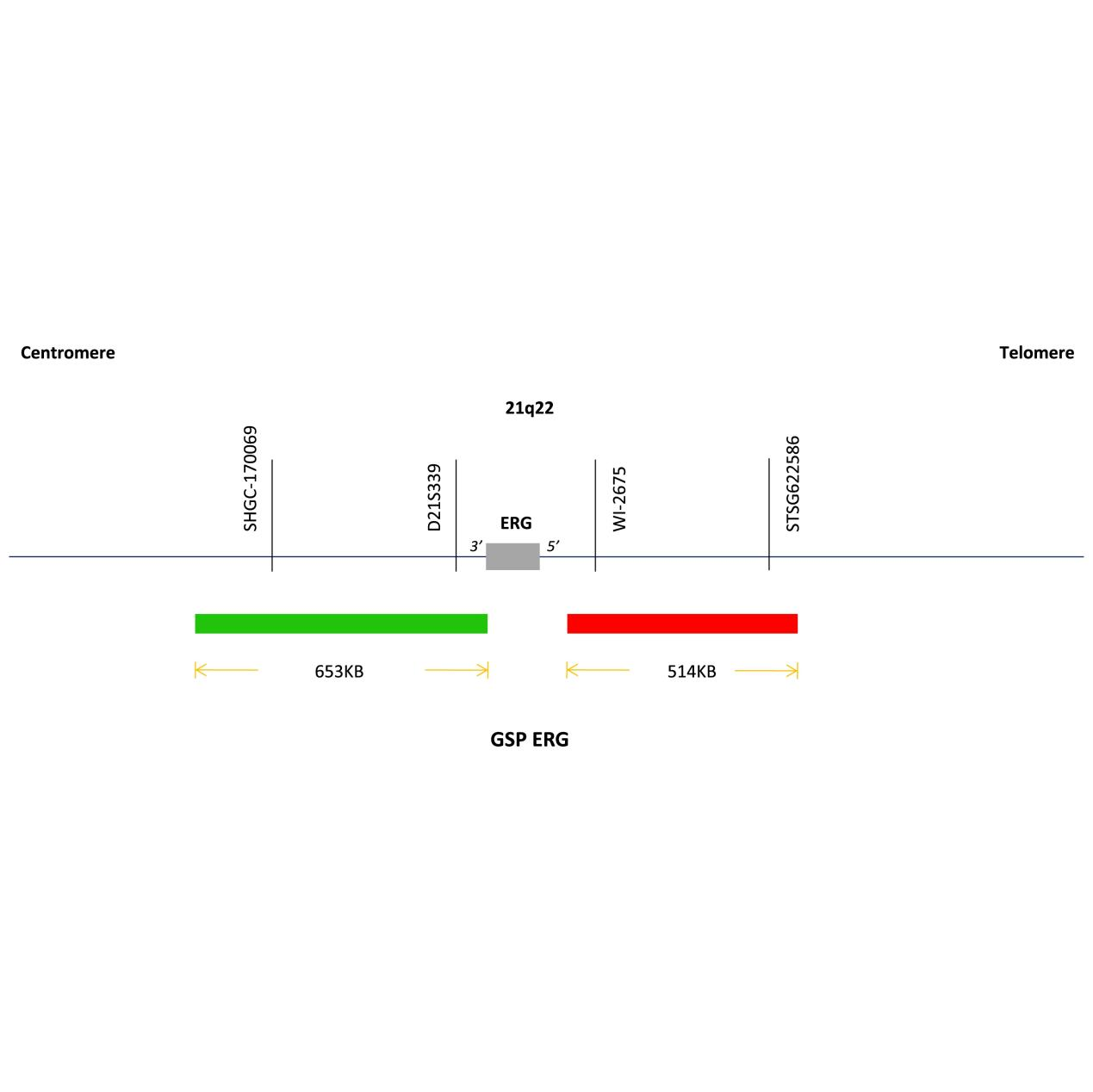
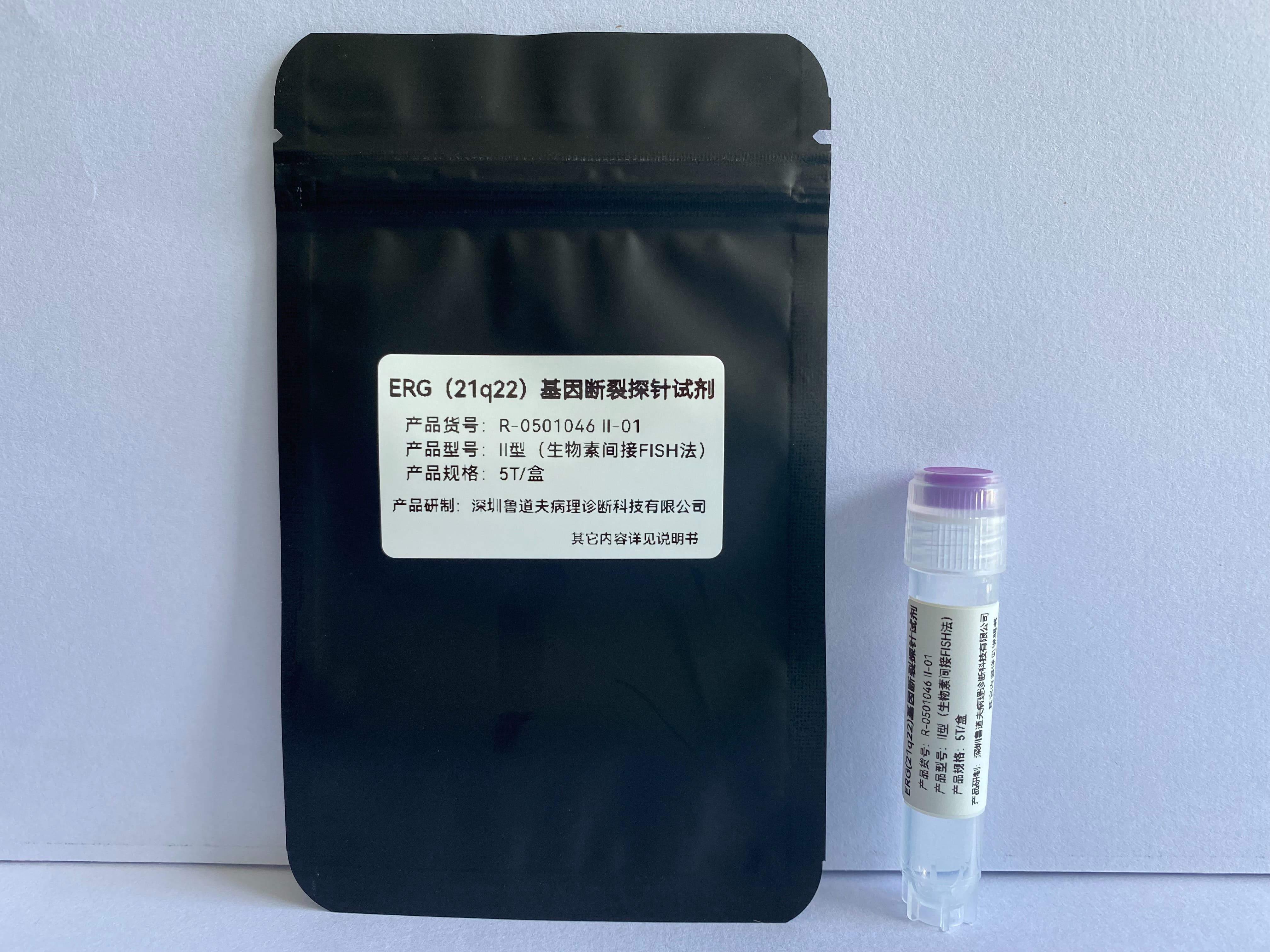
Small cell neuroendocrine carcinoma of the prostate has a morphology similar to that of small cell carcinoma of the lung. 50%-60% of cases present as simple small cell neuroendocrine carcinoma, with the remainder mostly coexisting with poorly differentiated alveolar carcinoma of the prostate (85% with Gleason score >8). The small cell carcinoma component is not applicable to Gleason grading and scoring.The incidence of TMPRSS2-ERG gene fusion in small cell carcinoma of the prostate is approximately 50%, which not only suggests that the two share the same clonal origin, but also provides a basis for determining the differential diagnosis of metastatic small cell carcinoma with an unknown primary focus.ERG (21q22) gene breakage probe reagents