Breast Cancer
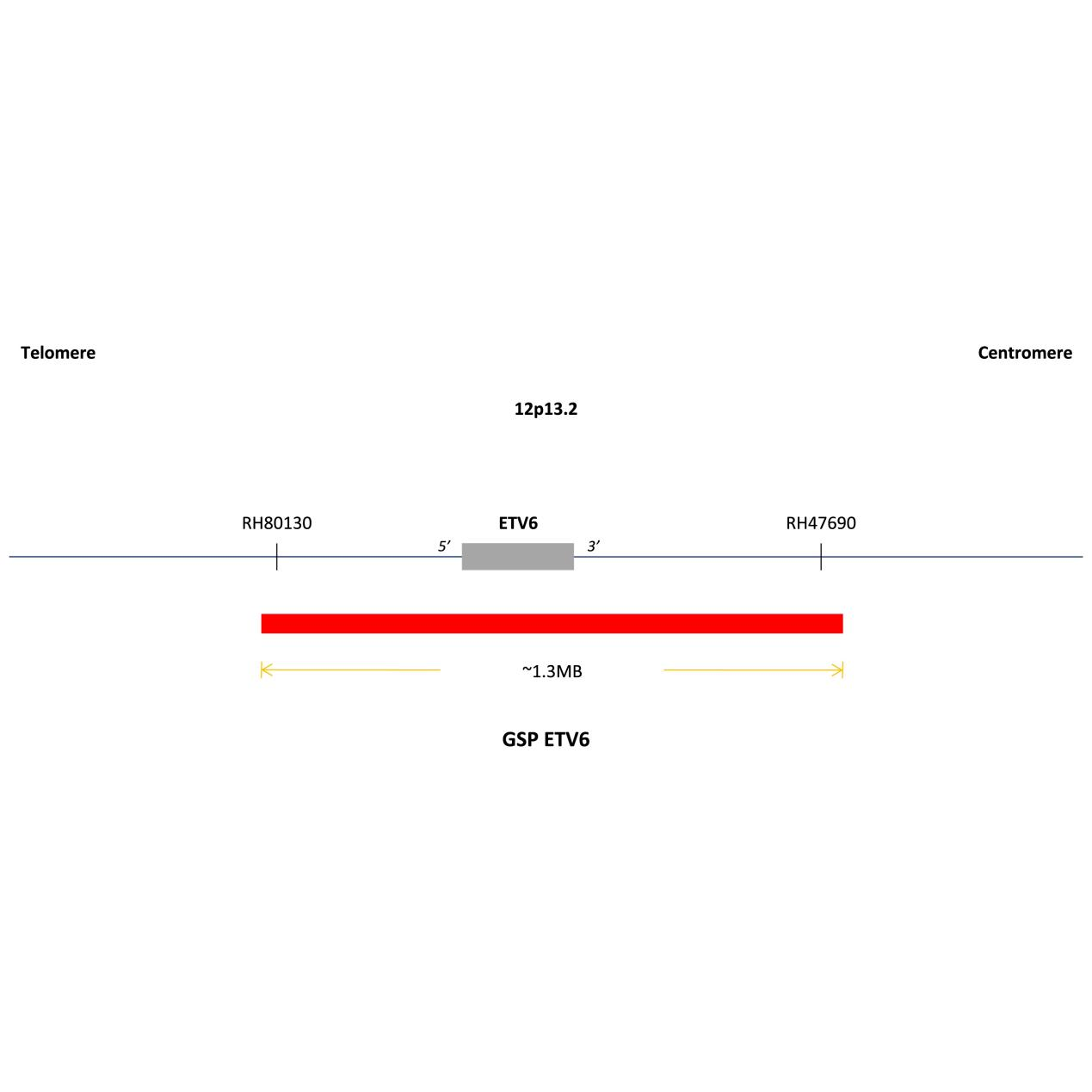
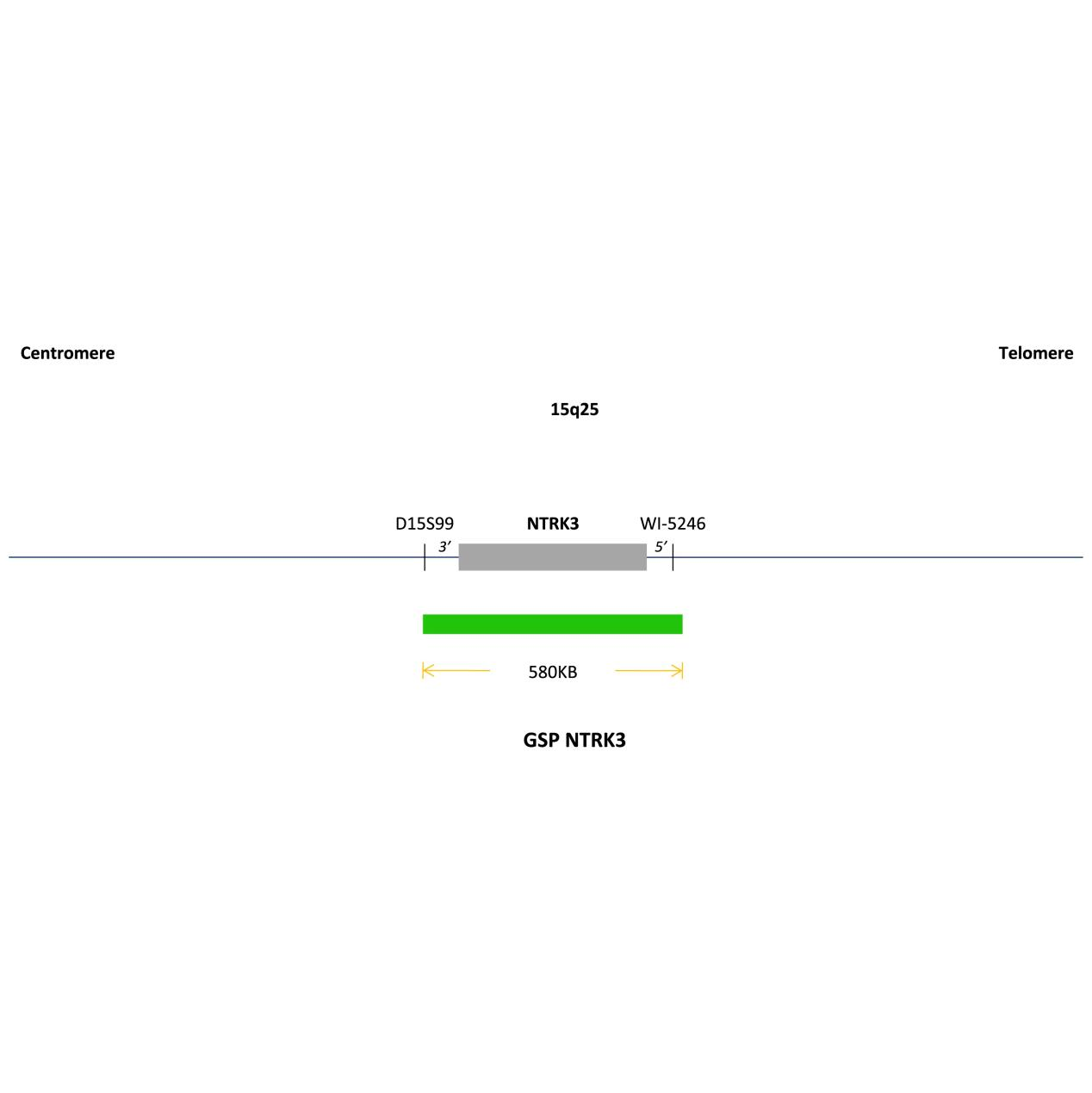
This translocation is seen in secretory breast cancer, which has a good prognosis and can be differentiated from intraductal carcinoma.
Renal Tumors
Congenital mesodermal nephroma (CMN) is a low-grade malignant fibroblastic renal tumor that develops in infants and accounts for only 3%-6% of renal tumors in children. The cellular form is morphologically similar to infantile fibrosarcoma with abundant tumor cells, marked heterogeneity, and a high number of nuclear schizonts. This translocation is seen in cellular CMN (9/10 positivity rate) and also in infantile fibrosarcoma, but not in areas of classic CMN and mixed CMN where cellular morphology is present.
Fibrohistiocytic tumors and verrucous lesions
can be used for Infantile fibrosarcoma (Infantile fibrosarcoma);
Infantile fibrosarcoma can be;
Infantile fibrosarcoma has an abnormal repertoire of fusion genes, which can be used as an aid in the diagnosis;
Large, cell-rich Infantile myofibroblastic neoplasia resembles Infantile fibrosarcoma but lacks the ETV6/NTRK3 fusion;
This fusion gene may also This fusion gene may also be present in inflammatory myofibroblastic tumors, “wild-type” GIST, adult acute myeloid leukemia, papillary thyroid carcinomas (especially associated with radiation exposure), colorectal cancers, melanocytic Spitz tumors, and glioblastomas.
Salivary Gland Tumors
Mammary similar secretory carcinoma (mammaryanaloguesecretorycarcinoma) is a newly reported type, rare, with morphological and molecular biological changes resembling those of the rare secretory carcinomas of the mammary gland, which have previously been classified as adenoalveolar cell carcinomas (oligozymotropic granulomatous, intercalated tubular cell-dominated subtype), mucoepidermoid carcinomas, and adenocarcinomas not otherwise specified. Similar secretory carcinomas of the breast have a characteristic ETV6-NTRK3 fusion gene, a feature that distinguishes them from alveolar cell carcinomas and low-grade cystic adenocarcinomas unspecified.





 0752-2228195