
30006000330066003300660036007200
5T/box(Ⅰ-01)10T/box(Ⅰ-02)5T/box(Ⅱ-01)10T/盒(Ⅱ-02)6600 5 10T/box(Ⅱ-02)5T/box(Ⅲ-01)10T/box(Ⅲ-02)5T/box(Ⅳ-01)10T/box (IV-02)

30006000330066003300660036007200
5T/box(Ⅰ-01)10T/box(Ⅰ-02)5T/box(Ⅱ-01)10T/盒(Ⅱ-02)6600 5 10T/box(Ⅱ-02)5T/box(Ⅲ-01)10T/box(Ⅲ-02)5T/box(Ⅳ-01)10T/box (IV-02)
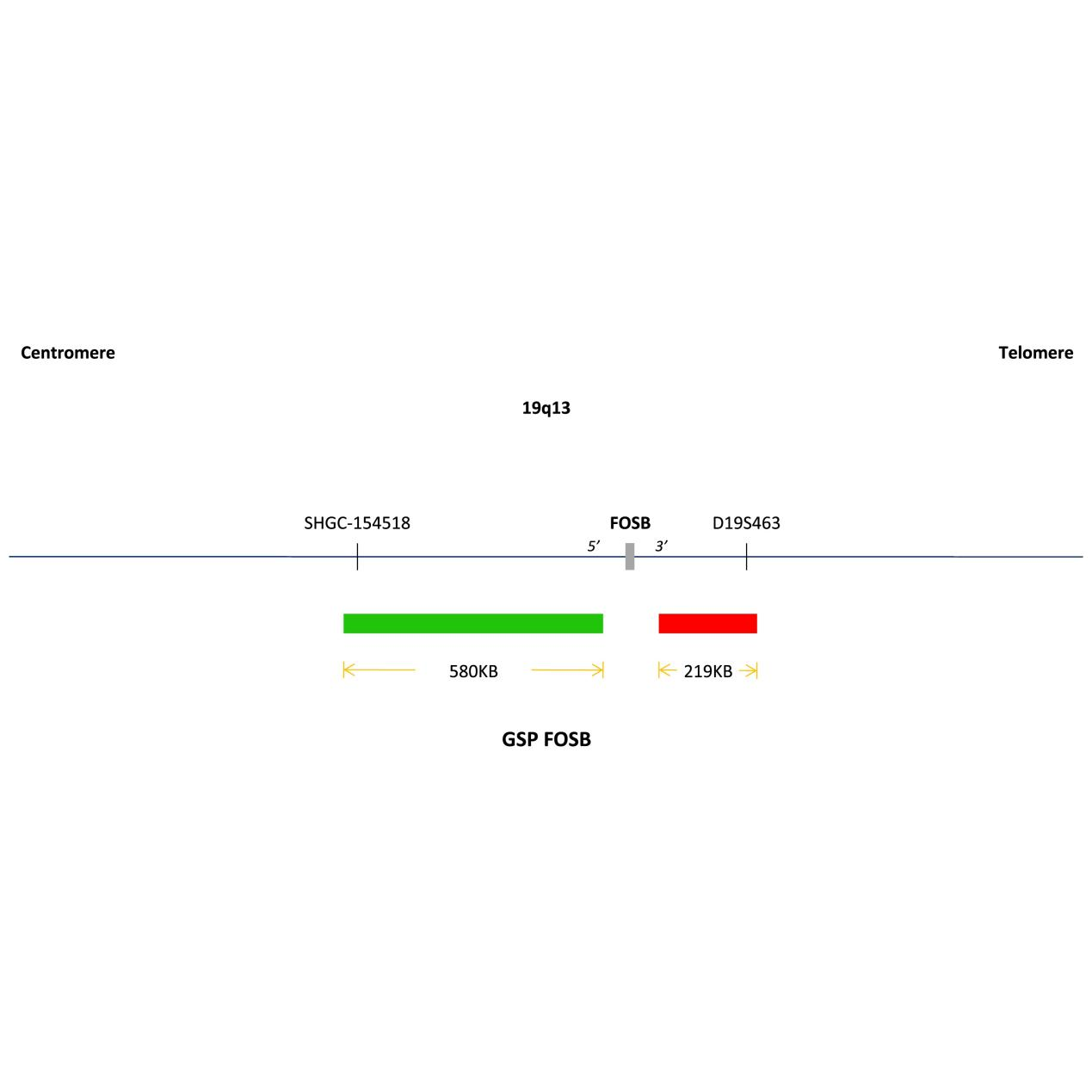
Pseudomyogenic hemangioendothelioma, also known as epithelioid sarcomatoid hemangioendothelioma, is prevalent in the lower extremities of young males, often multifocal or multicentric, with intermediate biological proliferative potential. A specific t(7;19)(q22;q13) translocation is present in pseudomyxogenous hemangioendotheliomas, leading to the formation of a SERPINE1-FOSB fusion gene. a FOSB gene breakage probe is helpful in the differentiation of this type of tumor (incidence 20%-30%). The differential diagnosis of this tumor includes, among others, spindle cell squamous cell carcinoma, cell-rich benign fibrous histiocytoma, epithelioid sarcoma, and myofibroblastic or smooth muscle tumors.
FOS or FOSB gene rearrangements have considerable specificity for osteoblastoma or osteoid osteoma. It can be used to differentiate osteoblastoma from osteosarcoma, but tissue decalcification significantly affects the FOS/FOSB gene detection rate. In addition, 59%-71% FOS or FOSB gene fusions are seen in epithelioid hemangiomas of bone, and epithelioid hemangiomas with FOSB gene fusions often have endothelial cell atypia and necrosis, with more solid areas, and are referred to as atypical epithelioid hemangiomas.