Fibrous Histiocyte Tumors and Neoplastic Lesions
This probe should be used as an aid in the diagnosis of superficial CD34-positive fibroblastic tumors with PRDM10 translocation, which need to be differentiated from low-grade undifferentiated pleomorphic sarcoma.
In 2019, the American Journal of Surgical Pathology (AJSP) reported nine cases of soft-tissue tumors with PRDM10 translocation that were previously diagnosed as other tumor subtypes, respectively: three cases of low-grade undifferentiated pleomorphic sarcoma, three cases of superficial CD34-positive fibroblastoma, two cases of pleomorphic liposarcoma, and one case of pleomorphic hyaline degenerative vasodilator tumor. The soft tissue tumors with PRDM10 translocation had a pleomorphic morphology and low nuclear schizophrenic phase, and their histological spectrum overlapped with superficial CD34-positive fibroblastic tumors with inert biological behaviors, which need to be differentiated from low-grade undifferentiated pleomorphic sarcomas and other sarcomas.
Other soft tissue tumors
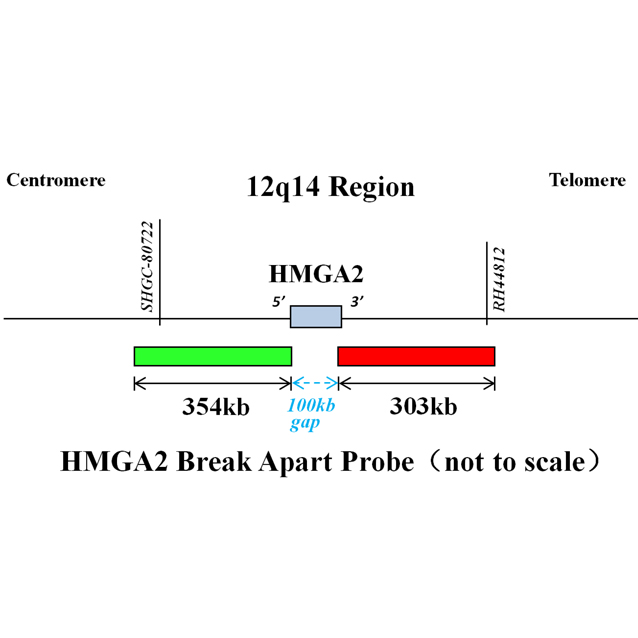
HMGA2 (12q14) gene disruption can occur in 17%-20% of uterine leiomyomas, and in a subset of deep vascular (invasive) mucinous tumors (approximately 30% of cases);
Immunohistochemical expression of HMGA2 does not correlate well with gene translocation. The main conditions associated with the differential diagnosis of deep vascular (aggressive) mucinous tumors are: fibroepithelioid stromal polyps, superficial angio-mucinous tumors, angio-myofibroblastomas, prepubertal fibrous tumors of the female genitalia, and extensive vulvar edema.





 0752-2228195