
30006000330066003300660036007200
5T/box(Ⅰ-01)10T/box(Ⅰ-02)5T/box(Ⅱ-01)10T/box(Ⅱ-02)5T/box(Ⅲ-01)10T/box(Ⅲ-02)5T/box(Ⅳ-01)10T/box (IV-02)

30006000330066003300660036007200
5T/box(Ⅰ-01)10T/box(Ⅰ-02)5T/box(Ⅱ-01)10T/box(Ⅱ-02)5T/box(Ⅲ-01)10T/box(Ⅲ-02)5T/box(Ⅳ-01)10T/box (IV-02)
Clinically relevant chromosomal abnormalities such as hyperdiploidy, hypodiploidy, t(12;21), t(1;19), t(9;22), and MLL translocations have been identified in approximately 3/4 of pediatric precursor B-cell ALL (BCP-ALL) patients. These targets play an important role in risk stratification and treatment. However, the pathogenesis and driver genes of the remaining BCP-ALL patients, called “B-others ALL”, are not fully understood.
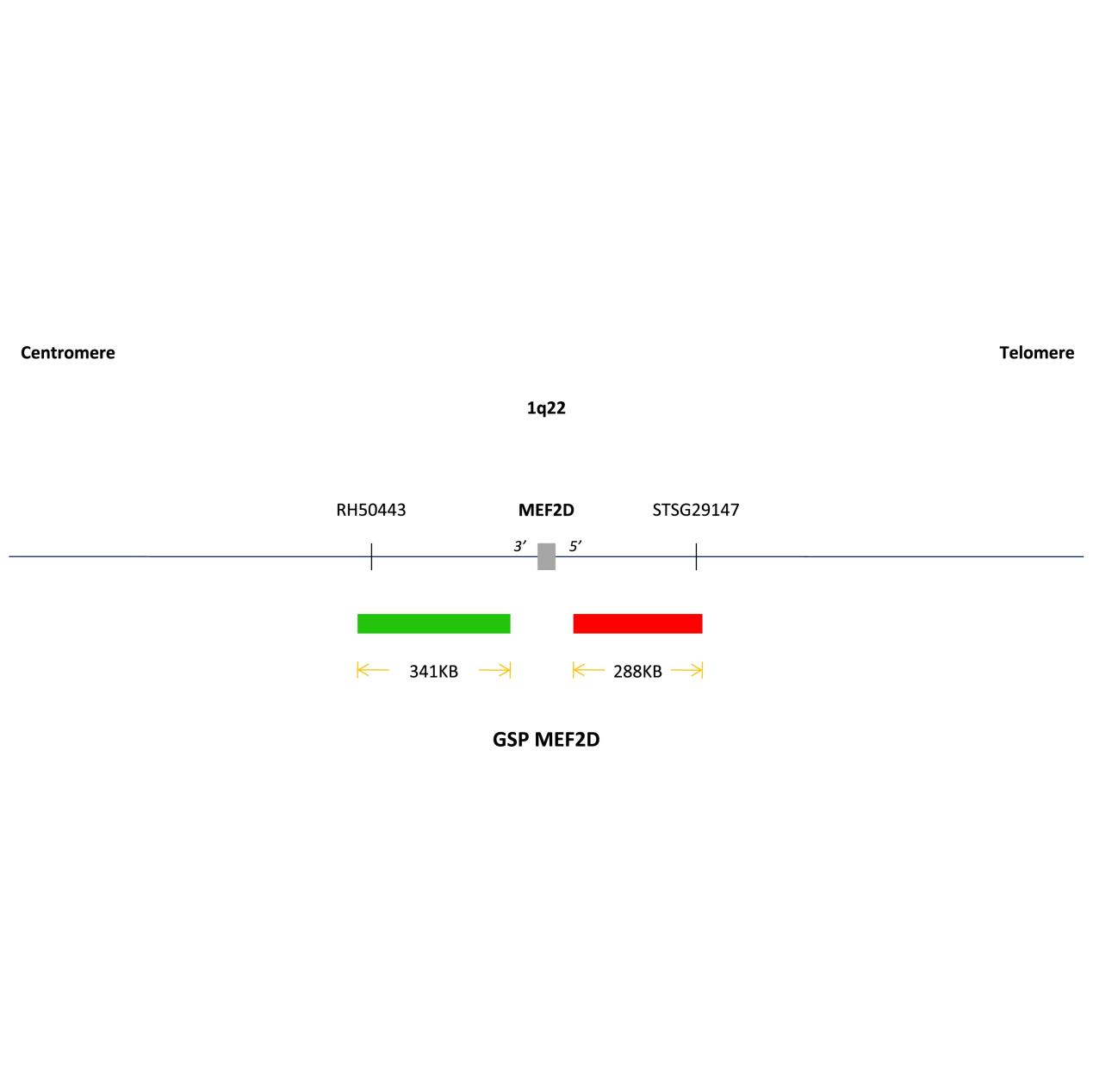
The MEF2D translocation is a newly identified abnormality in ALL.In 2016, a bulk study reported data from 560 ALL RNA sequencing cases, and in 22 cases of B progenitor ALL (B-ALL), the MEF2D gene was found to occur with 5 partner genes (BCL9, CSF1R, DAZAP1, HNRNPUL1, and SS18) The authors went on to identify 30 cases with MEF2D gene translocations in 1164 patients with B-ALL. patients with MEF2D gene translocations had a distinctive immunophenotype, DNA copy number variations at the translocation site, older age at diagnosis, and a poorer prognosis.
Patients with ALL with the MEF2D gene translocation are one of the subtypes in the high-risk group.