
30006000330066003300660036007200
5T/box(Ⅰ-01)10T/box(Ⅰ-02)5T/box(Ⅱ-01)10T/box(Ⅱ-02)5T/box(Ⅲ-01)10T/box(Ⅲ-02)5T/box(Ⅳ-01)10T/box (IV-02)

30006000330066003300660036007200
5T/box(Ⅰ-01)10T/box(Ⅰ-02)5T/box(Ⅱ-01)10T/box(Ⅱ-02)5T/box(Ⅲ-01)10T/box(Ⅲ-02)5T/box(Ⅳ-01)10T/box (IV-02)
Vesicular soft tissue sarcoma is rare and accounts for 0.2%-0.9% of soft tissue sarcomas. The tumor is common in adolescents (15-35 years of age). It is prevalent in the deep soft tissues of the extremities. The tumor cells are PAS positive. The main symptom is a slow-growing soft tissue mass, and most patients present with distant metastases several years after diagnosis, with a poor prognosis. The main differential diagnosis is with paraganglioma, granular cell tumor, metastatic adenocarcinoma, and adenovascular rhabdomyosarcoma;
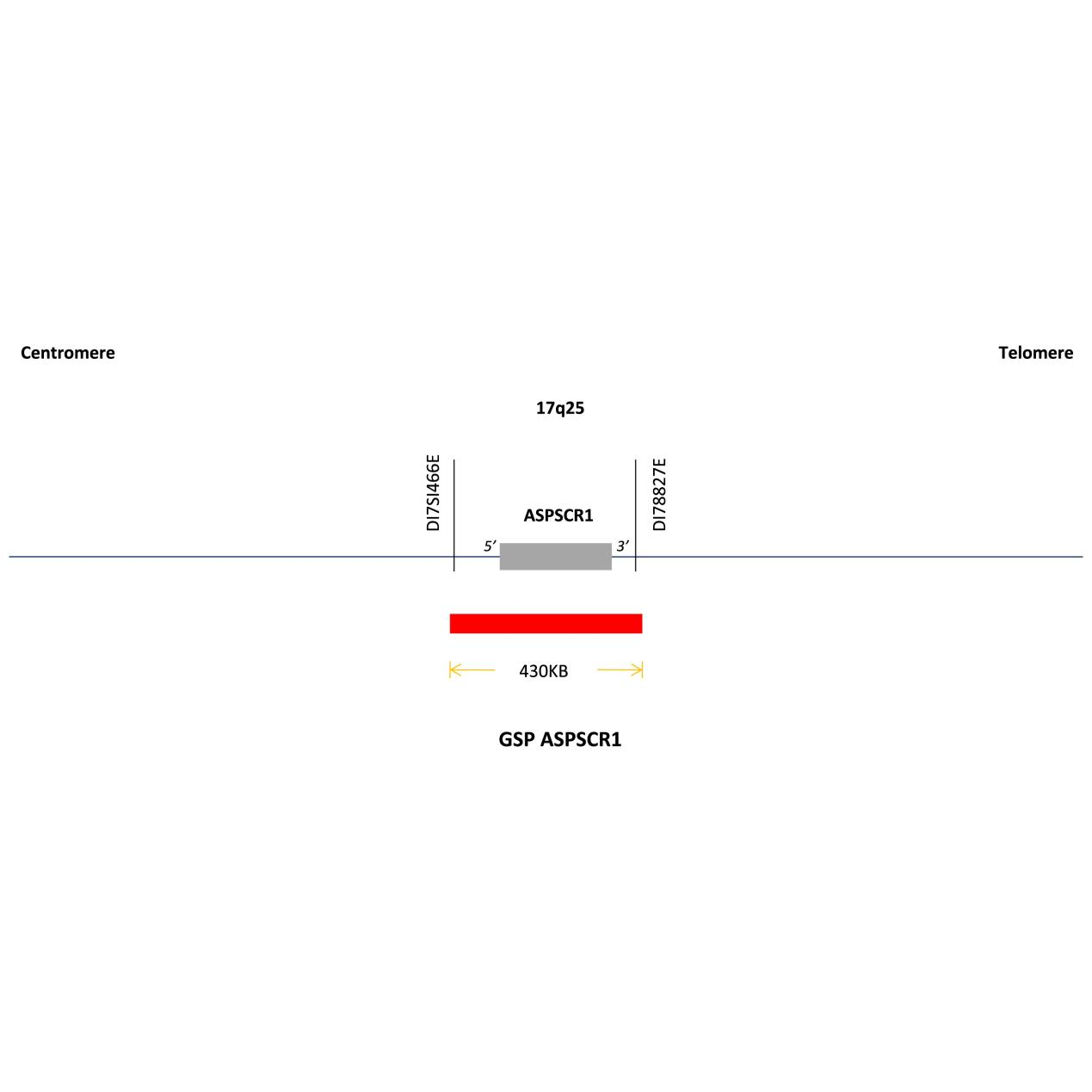
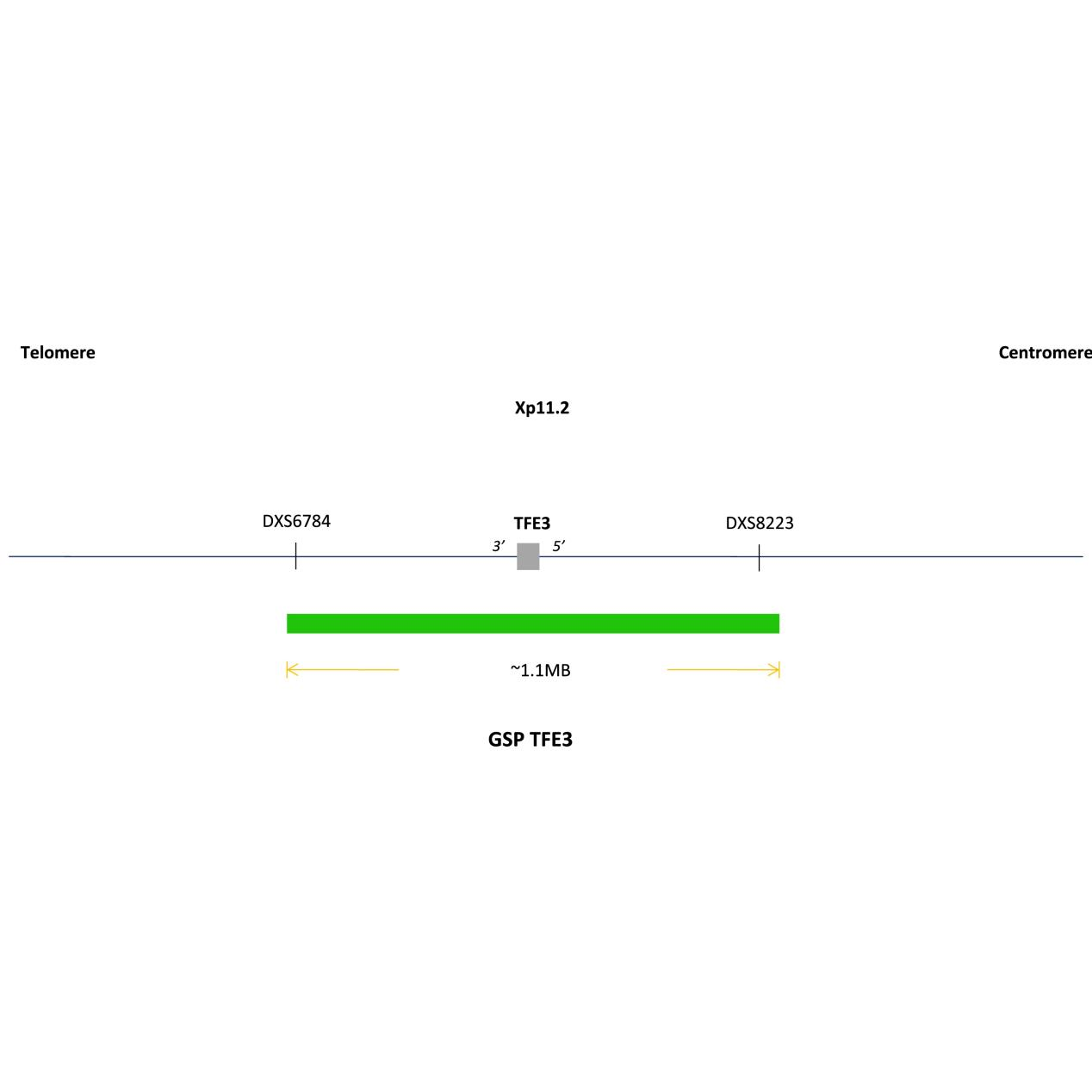
Greater than 99% of adeno-vesicular soft tissue sarcomas contain a specific genetic variant: der(17)t(X;17)(p11.2;q25), forming the TFE3/ASPSCR1 fusion gene;
Used to aid in the adjuvant and differential diagnosis of adenovascular soft tissue sarcoma. Note: TFE3 is located on the X chromosome and can be associated with complex abnormalities such as X polysomes, X polysomes with deletions, X inversions with insertions, etc., and atypical/complex fusion signaling types may occur with this fusion probe;
A genetically variable subtype of renal cell carcinoma with a low incidence.