
30006000330066003300660036007200
5T/box(Ⅰ-01)10T/box(Ⅰ-02)5T/box(Ⅱ-01)10T/box(Ⅱ-02)5T/box(Ⅲ-01)10T/box(Ⅲ-02)5T/box(Ⅳ-01)10T/box (IV-02)

30006000330066003300660036007200
5T/box(Ⅰ-01)10T/box(Ⅰ-02)5T/box(Ⅱ-01)10T/box(Ⅱ-02)5T/box(Ⅲ-01)10T/box(Ⅲ-02)5T/box(Ⅳ-01)10T/box (IV-02)
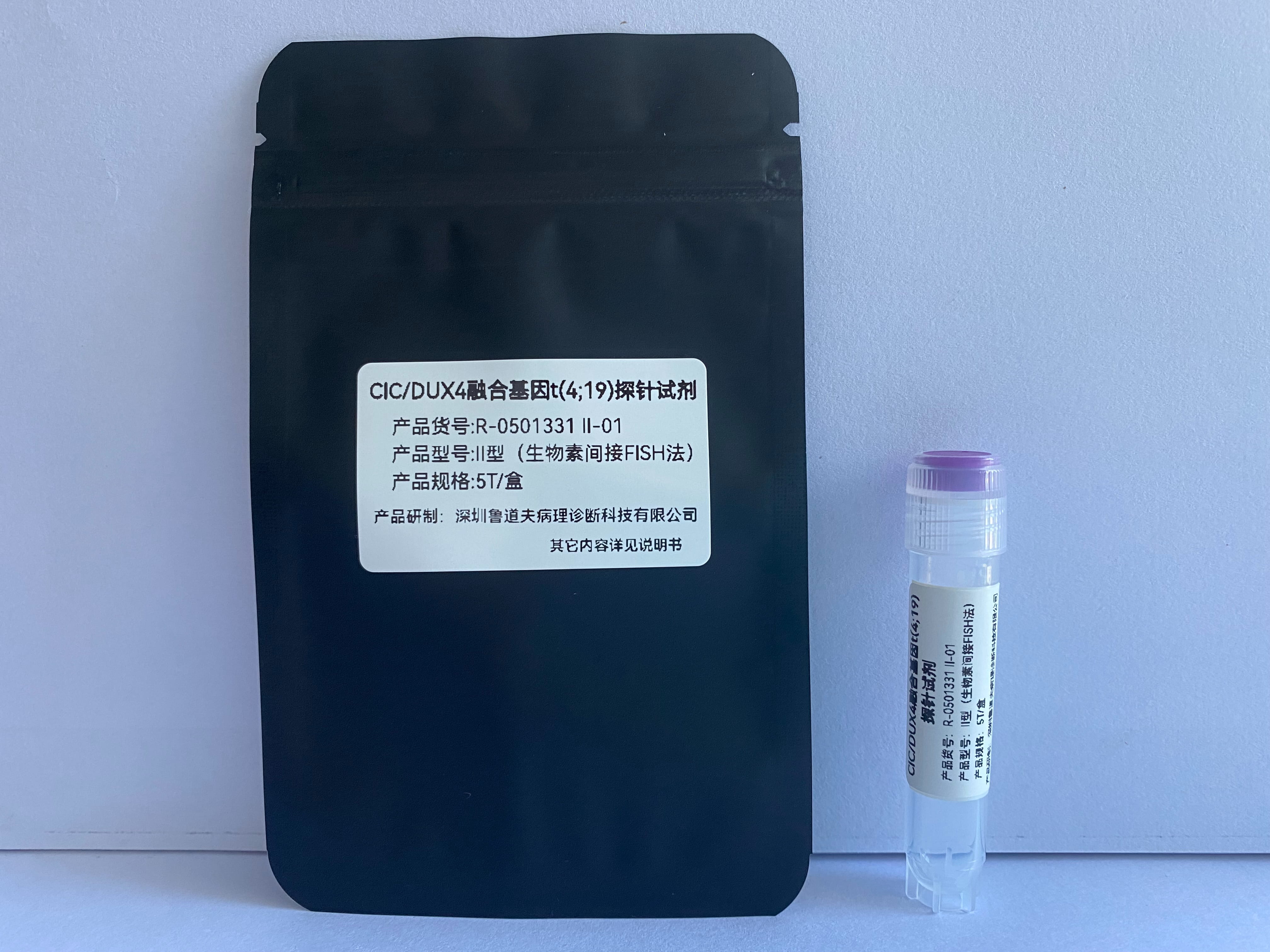
In addition to EWSR1 or FUS rearrangements, some small round cell tumors such as BCOR-CCNB3 and CIC-DUX4 were previously classified under the name of Ewing family tumors. However, according to the WHO 2019 version of typing, tumors with abnormalities in these two genes are listed separately from the Ewing family tumors and are individually named with the name of the fusion gene.
Undifferentiated round cell sarcomas in children often have the CIC/DUX4 fusion gene, which belongs to the up-regulated genes of the PEA3 subclass of the Ewing's sarcoma ETS family.The CIC/DUX4 fusion gene is a subset of high-grade, undifferentiated round cell sarcomas (non-Ewing's sarcomas) with distinctive histopathologic features that are highly aggressive. It accounts for approximately 50% of EWSR1-negative small round cell sarcomas.
CIC-positive sarcomas tend to occur in soft tissues, with a wide range of variability in CD99 expression, and nuclear WT1 expression seen in more than 90% of cases.CIC-positive sarcomas show aggressive manifestations and have a worse prognosis than EWSR1-positive sarcomas.