
简体中文English

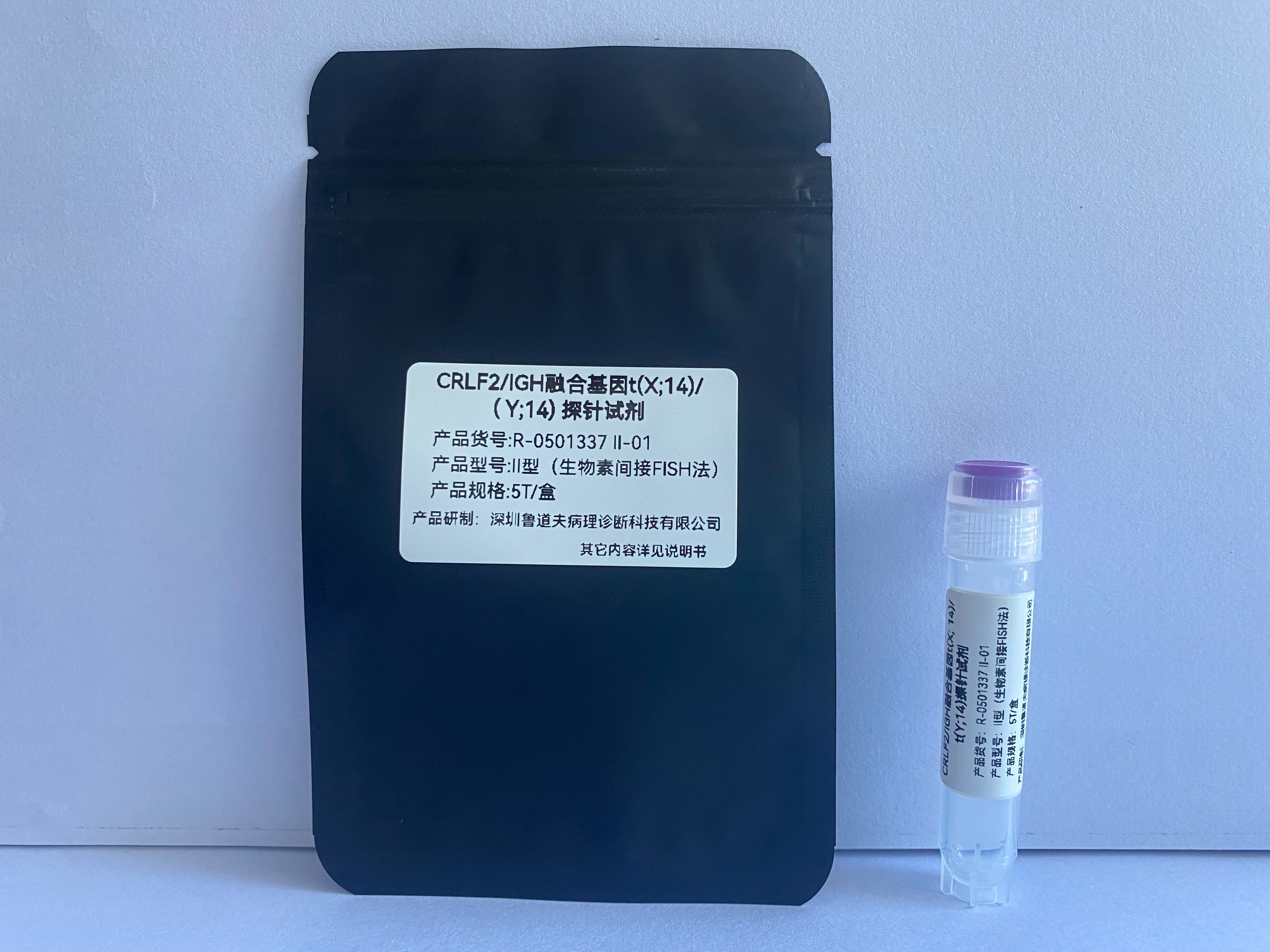
CRLF2/IGH fusion gene t(X;14)/t(Y;14) probe reagent
Wholesale Price(RMB):

30006000330066003300660036007200

Product Code:R-0501337Ⅰ-01/R-0501337Ⅰ-02/R-0501337Ⅱ-01/R-0501337Ⅱ-02/R-0501337Ⅲ-01/R-0501337Ⅲ-02/R-0501337Ⅳ-01/R-0501337Ⅳ-02
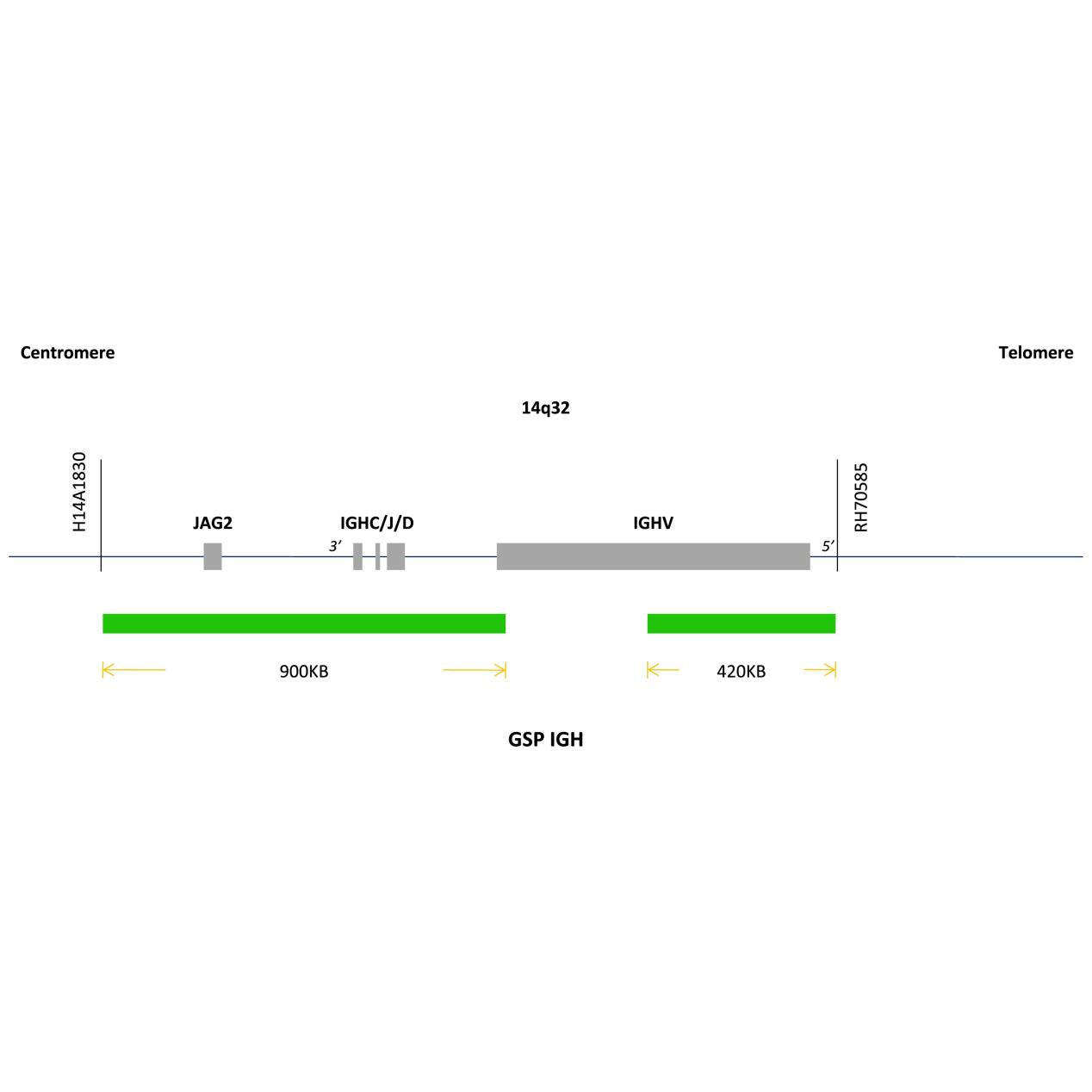
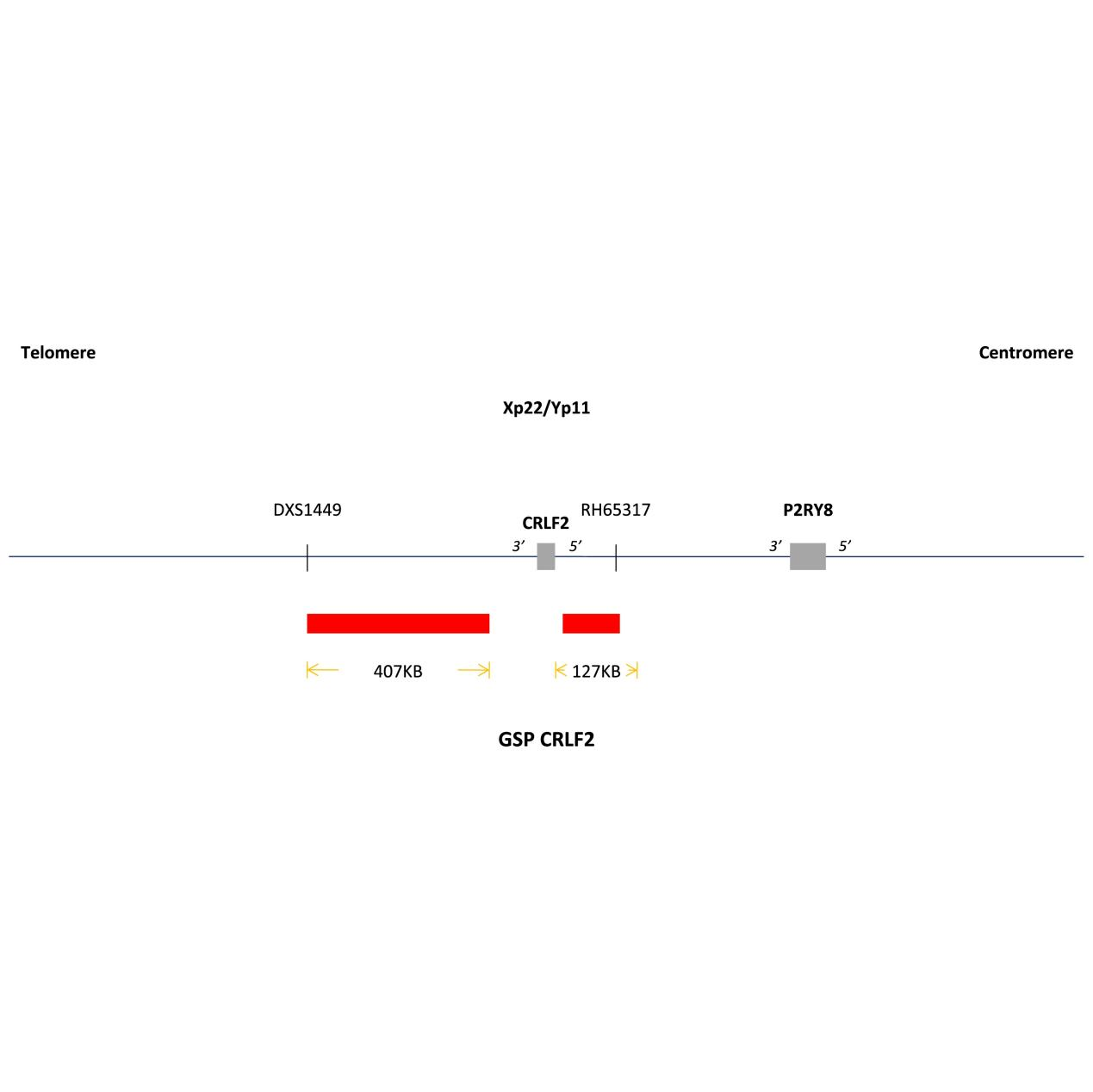
Probe name:GSP CRLF2 / GSP IGH
Product Code:Type I (direct FISH method)/Type II (biotin-labeled indirect FISH method)/Type III (digoxigenin-labeled indirect FISH method)/Type IV (TSA-FISH method)
Registration Number:
Clinical Value

BCR-ABL1-like ALL (Ph-like ALL) is associated with a poor prognosis (5-year DFS of 60%) and is less common in pediatric B-cell ALL, at approximately 3%; however, it is the most common subtype in adult ALL, at approximately 25%.The incidence of Ph-like ALL is positively correlated with advancing age.Kinase activation is seen in 90% of Ph-like ALL Abnormalities such as ABL1, EPOR, JAK2, PDGFRB, EBF1, FLT2, IL7R, and SH2B3 are seen in 90% of Ph-like ALL and may be amenable to ABL1 TKI therapy. CRLF2 gene rearrangements can occur in approximately 30% of pediatric Ph-like ALL patients, of which approximately 90% are fusions with P2RY8 and 10% are fusions with IGH, and are associated with poor prognosis.


This probe can be used in conjunction with the F.01235-01CRLF2 (Xp22 Yp11) gene breakage probe (fluorescence in situ hybridization) for further differentiation of its partner genes. In particular, the type of P2RY8 fusion with CRLF2 is rather special, being a fusion with deletion, which is manifested as an atypical positive signal of 1 green and 1 yellow of the CRLF2 breakthrough probe. Therefore, when this type of signal is encountered using the CRLF2 breakage probe, it can be determined that its partner gene is P2RY8.