
30006000330066003300660036007200
5T/box(Ⅰ-01)10T/box(Ⅰ-02)5T/box(Ⅱ-01)10T/box(Ⅱ-02)5T/box(Ⅲ-01)10T/box(Ⅲ-02)5T/box(Ⅳ-01)10T/box (IV-02)

30006000330066003300660036007200
5T/box(Ⅰ-01)10T/box(Ⅰ-02)5T/box(Ⅱ-01)10T/box(Ⅱ-02)5T/box(Ⅲ-01)10T/box(Ⅲ-02)5T/box(Ⅳ-01)10T/box (IV-02)
Salivary gland tumors
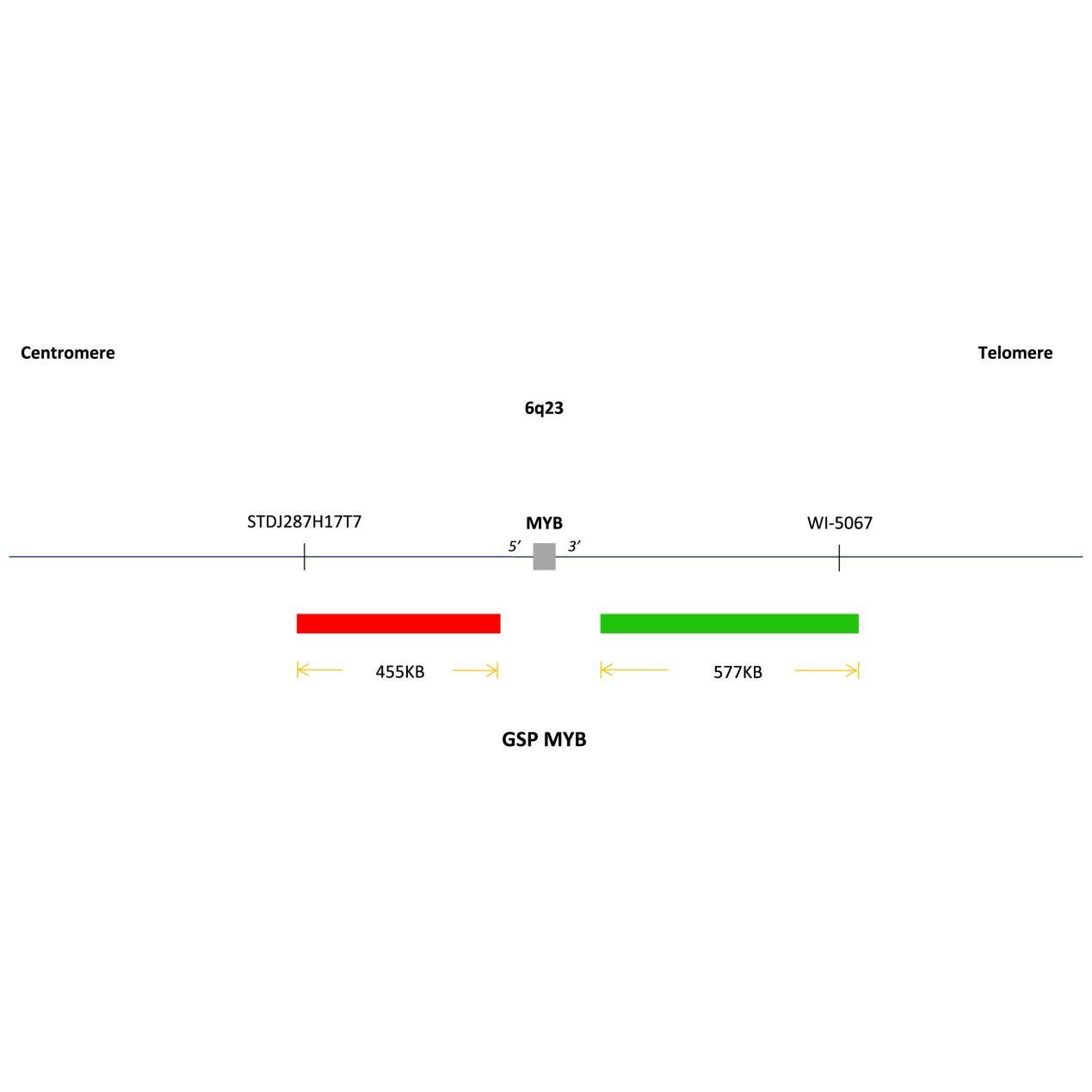
Adenoid cystic carcinoma (ACC) has bi-directional differentiation between ductal epithelium and myoepithelium, and is mainly distinguished from pleomorphic adenomas, basal cell adenomas and adenocarcinomas, epithelial-myoepithelial carcinomas, and pleomorphic low-grade malignant adenocarcinomas, etc. About 50% of salivary gland tumors show specific MYB-NFIB fusion gene abnormality. A specific MYB-NFIB fusion gene abnormality is seen in about 50% of adenoid cystadenocarcinomas; this fusion gene abnormality is not seen in other salivary gland tumors or non-salivary gland tumors.MYB protein expression is commonly found in adenoid cystadenocarcinomas (about 80%), but is less specific (about 14% are also expressed in non-salivary gland tumors).
Tumors of the central nervous system
The 2021 edition of the CNS classification names two new molecular subtypes associated with MYB gene translocations: “diffuse astrocytoma, MYB or MYBL1 variant” and “angiocentric glioma”.