
30006000330066003300660036007200
5T/box(Ⅰ-01)10T/box(Ⅰ-02)5T/box(Ⅱ-01)10T/box(Ⅱ-02)5T/box(Ⅲ-01)10T/box(Ⅲ-02)5T/box(Ⅳ-01)10T/box (IV-02)

30006000330066003300660036007200
5T/box(Ⅰ-01)10T/box(Ⅰ-02)5T/box(Ⅱ-01)10T/box(Ⅱ-02)5T/box(Ⅲ-01)10T/box(Ⅲ-02)5T/box(Ⅳ-01)10T/box (IV-02)
Benign Spitz nevi and Spitz-like melanomas represent the two ends of the Spitz melanin tumor spectrum: benign to malignant, respectively; and atypical Spitz tumors with histologic features of both benign Spitz nevi and malignant melanomas are difficult to diagnose as they are difficult to dermatopathologically define and identify as an inert lesion or an aggressive and lethal tumor.
Advances in molecular genetics have revealed that Spitz melanoma tumors can be categorized by molecular features:
(1) 11p amplification and/or HRAS mutation;
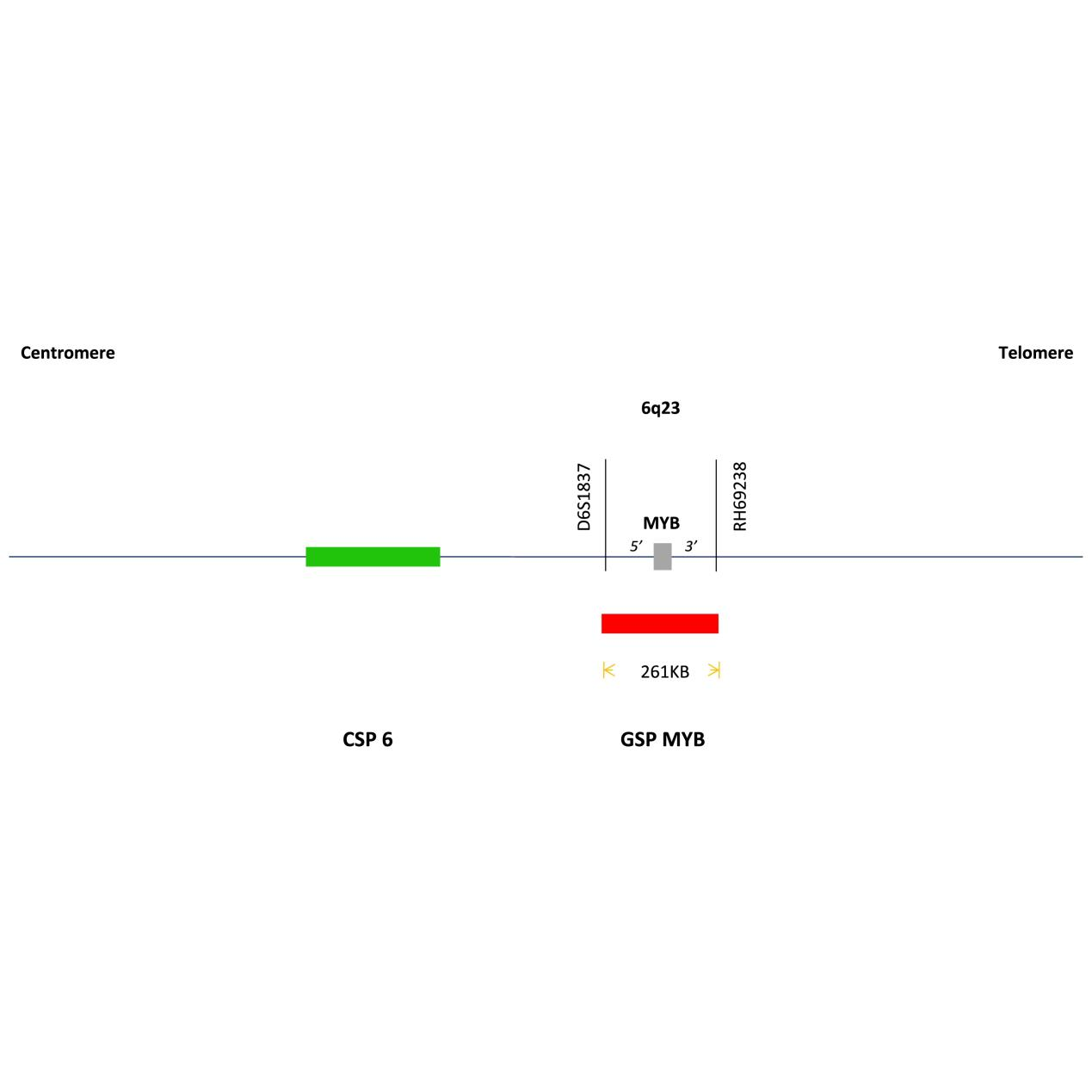
(2) 6q23 deletion;
(3) 9p21 (P16) pure deletion;
(4) BAP1 expression fit and BRAFV600E mutation;
(5) Translocations of tyrosine kinase-related genes, including ROS1, ALK, NTRK1, NTRK3, MET, BRAF, and RET;
(6) TERT gene promoter mutations.
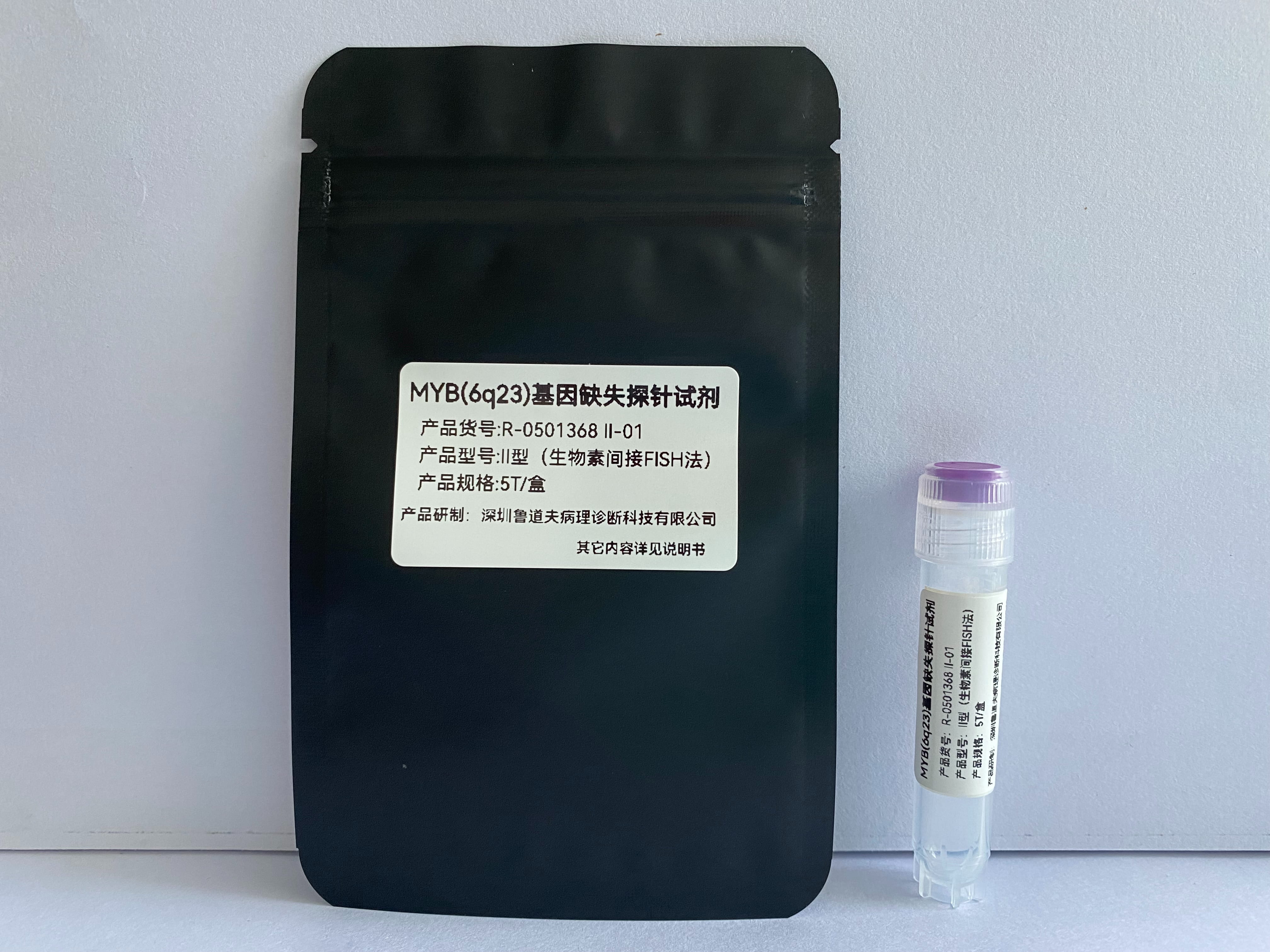
This probe detects 6q23 deletion. It is also one of the constituent probes of F.01363-016q23/6p25/9p21/11q23/8q24/10q23 Detection Probe Reagent (Fluorescence In Situ Hybridization).