
30006000330066003300660036007200
5T/box(Ⅰ-01)10T/box(Ⅰ-02)5T/box(Ⅱ-01)10T/box(Ⅱ-02)5T/box(Ⅲ-01)10T/box(Ⅲ-02)5T/box(Ⅳ-01)10T/box (IV-02)

30006000330066003300660036007200
5T/box(Ⅰ-01)10T/box(Ⅰ-02)5T/box(Ⅱ-01)10T/box(Ⅱ-02)5T/box(Ⅲ-01)10T/box(Ⅲ-02)5T/box(Ⅳ-01)10T/box (IV-02)
Lung cancer
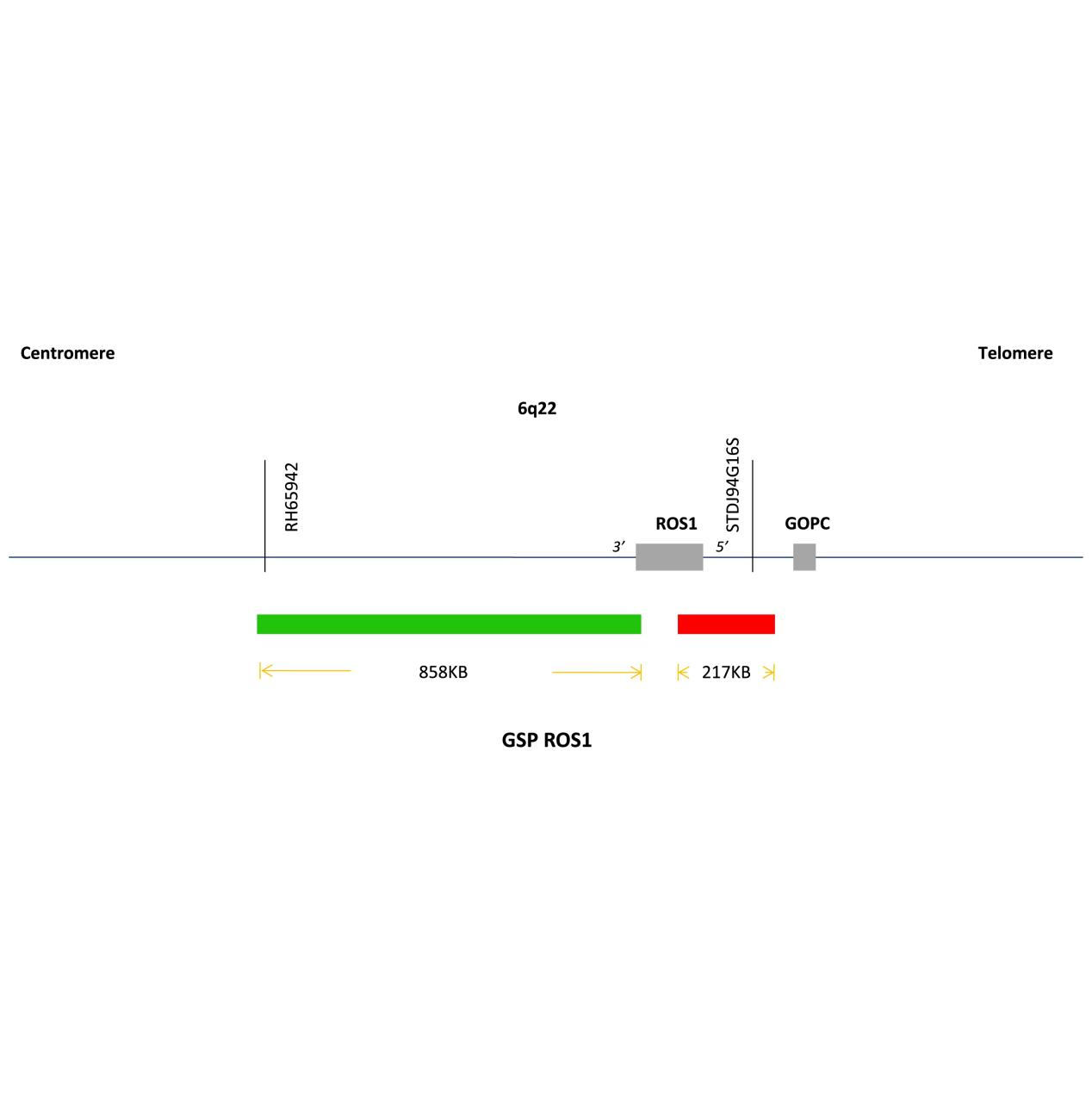
The ROS1 gene is overexpressed in brain, lung, gastric, breast and liver tumors, and undergoes reciprocal translocation with other genes (e.g., SCL34A2, CD74, etc.) in non-small cell lung cancer cells;
The proportion of NSCLC patients presenting with ROS1 translocations is about 3%, and crizotinib can inhibit the growth of ROS1 fusion gene cells, and detection of whether the ROS1 gene is broken can guide the dosing of crizotinib.
Other solid tumors
ROS1 breaks can also occur in Spitznevi (15%-20%) and are associated with ROS1-targeted drug therapy.
Colorectal cancer
Receptor tyrosine kinases (RTK) chromosomal rearrangements are present in common epithelial malignancies, non-small cell lung, colorectal, and breast cancers. It has been shown that ALK and ROS1 gene translocations known to drive lung cancer can also be present in colorectal cancer, and this result implies that drugs used to target ALK and ROS1 for lung cancer may also be of benefit to colorectal cancer patients.