


 0752-2228195
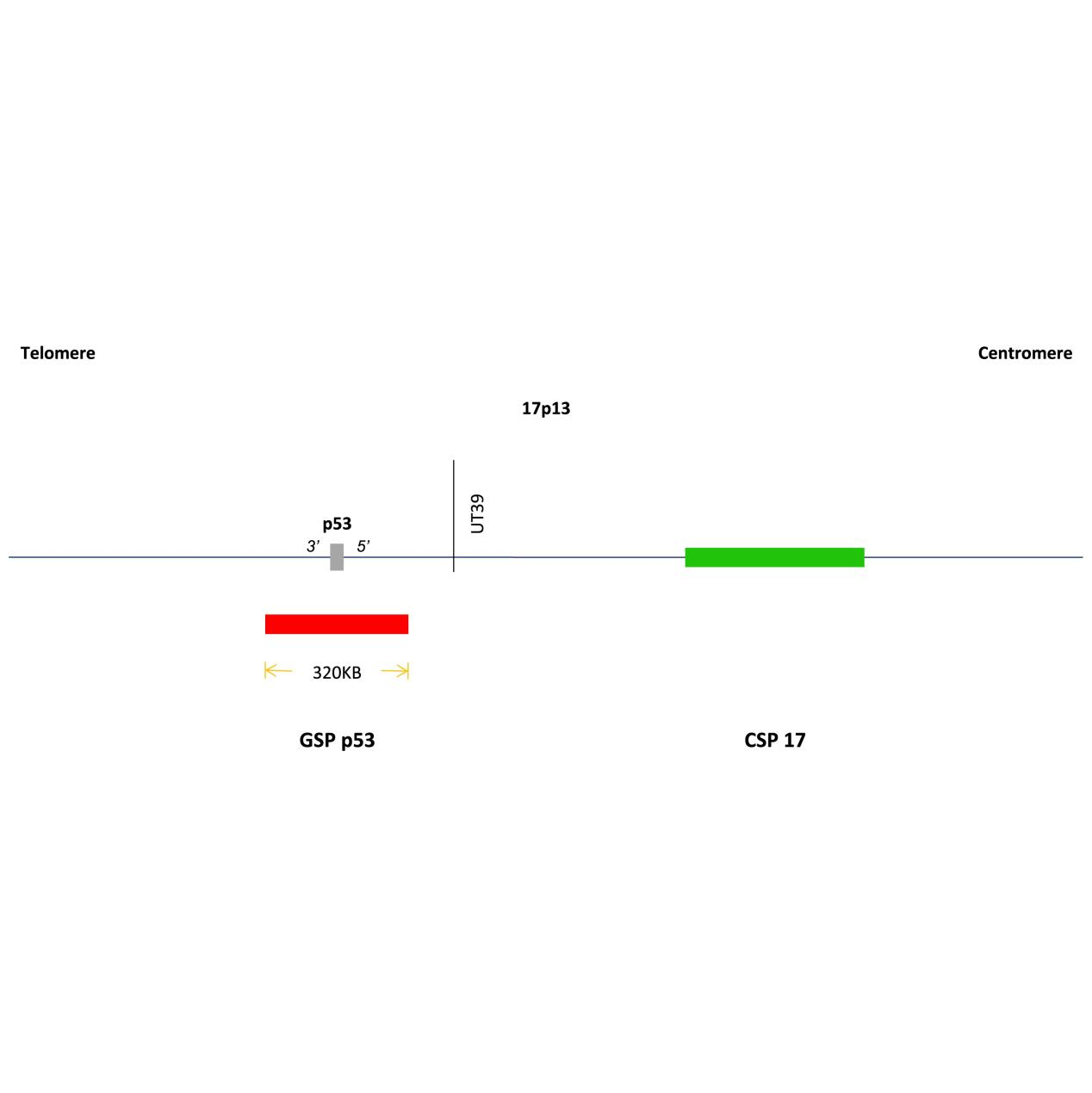
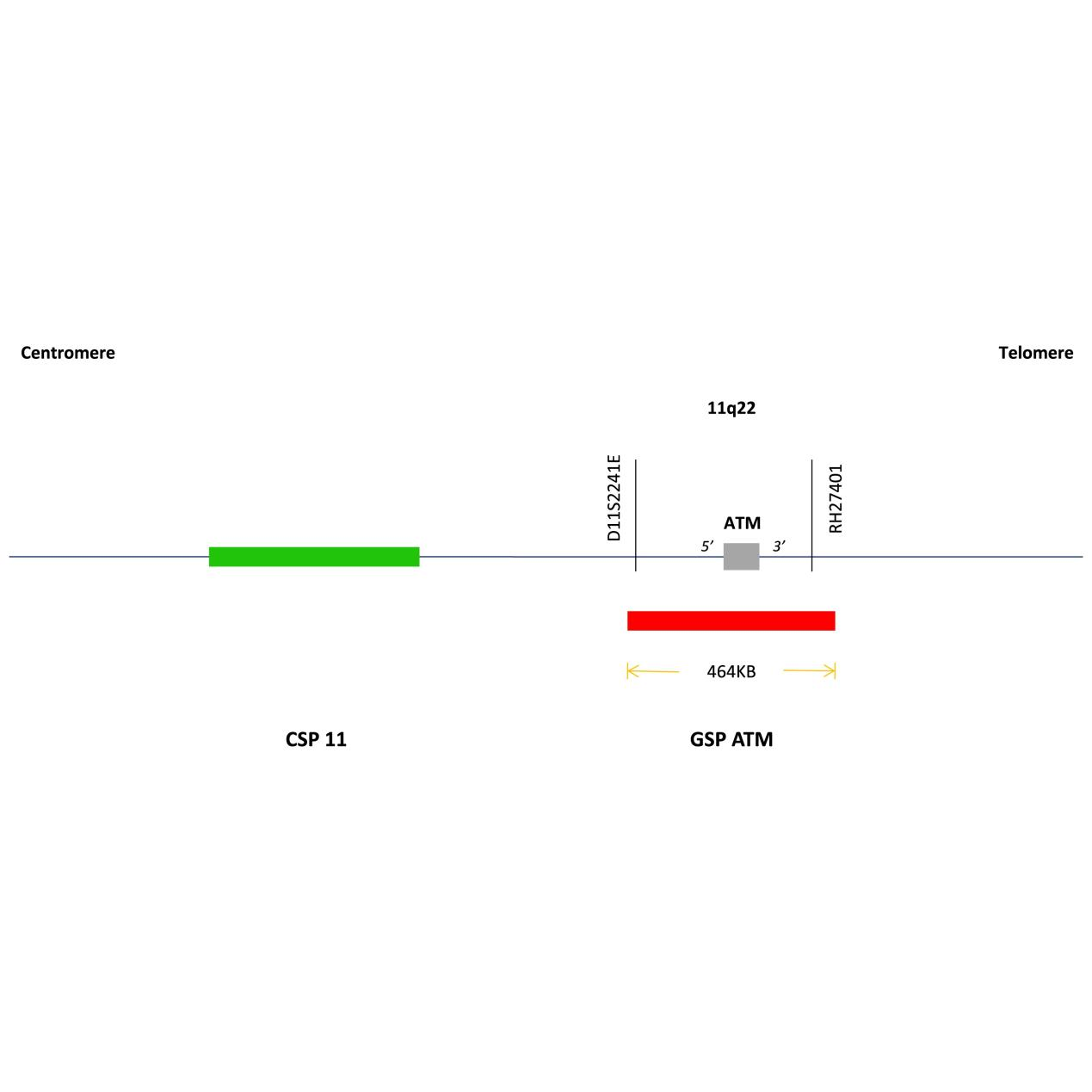
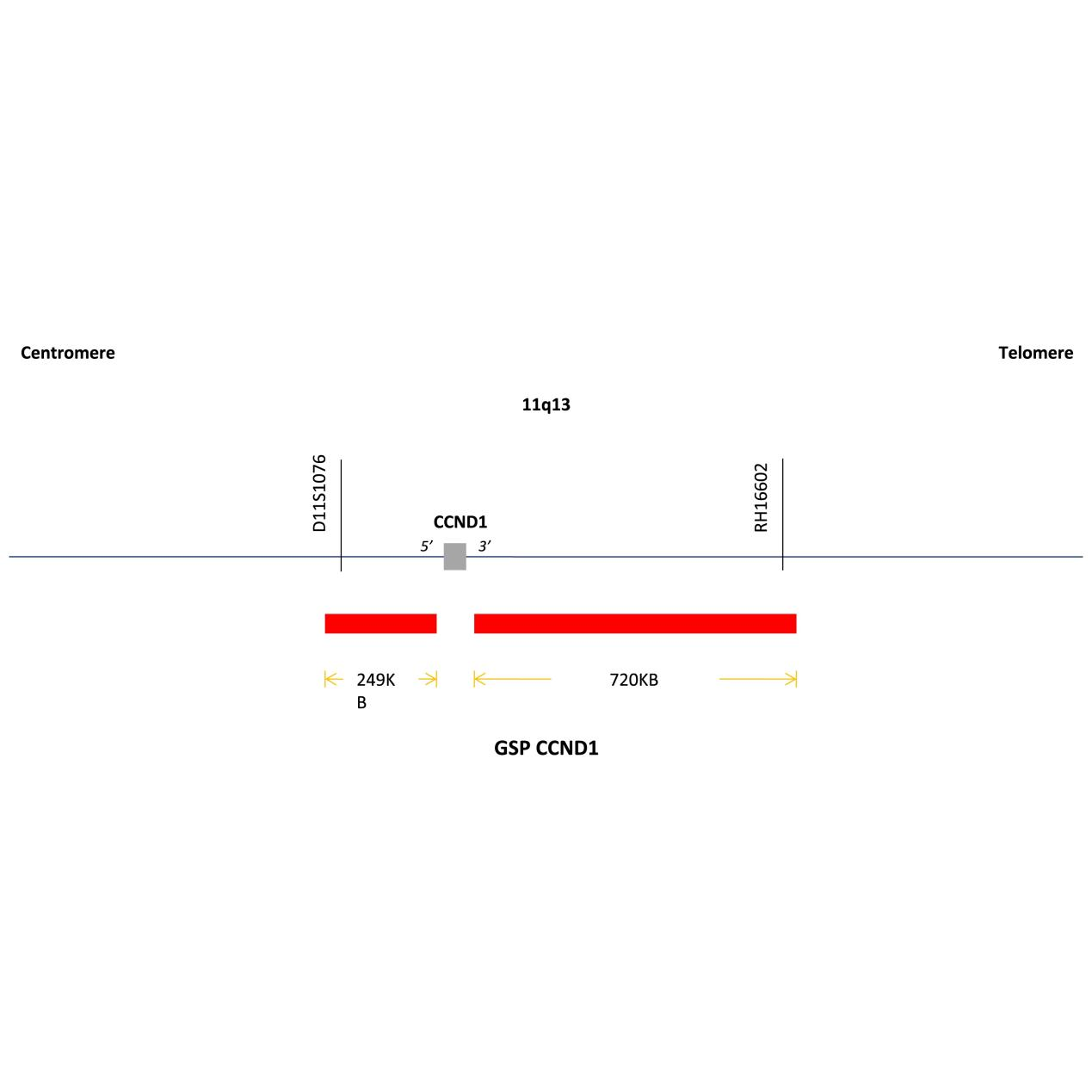
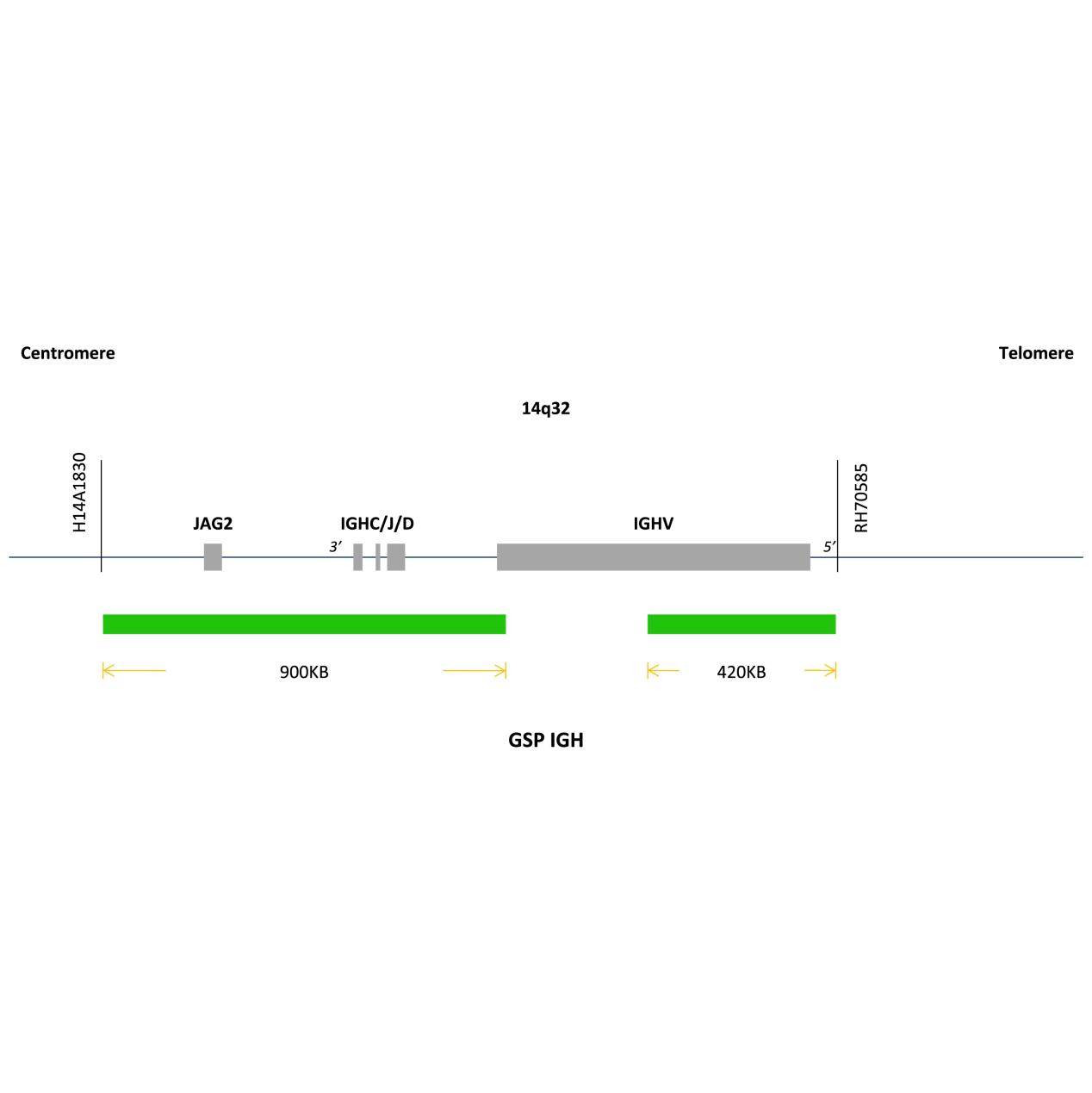
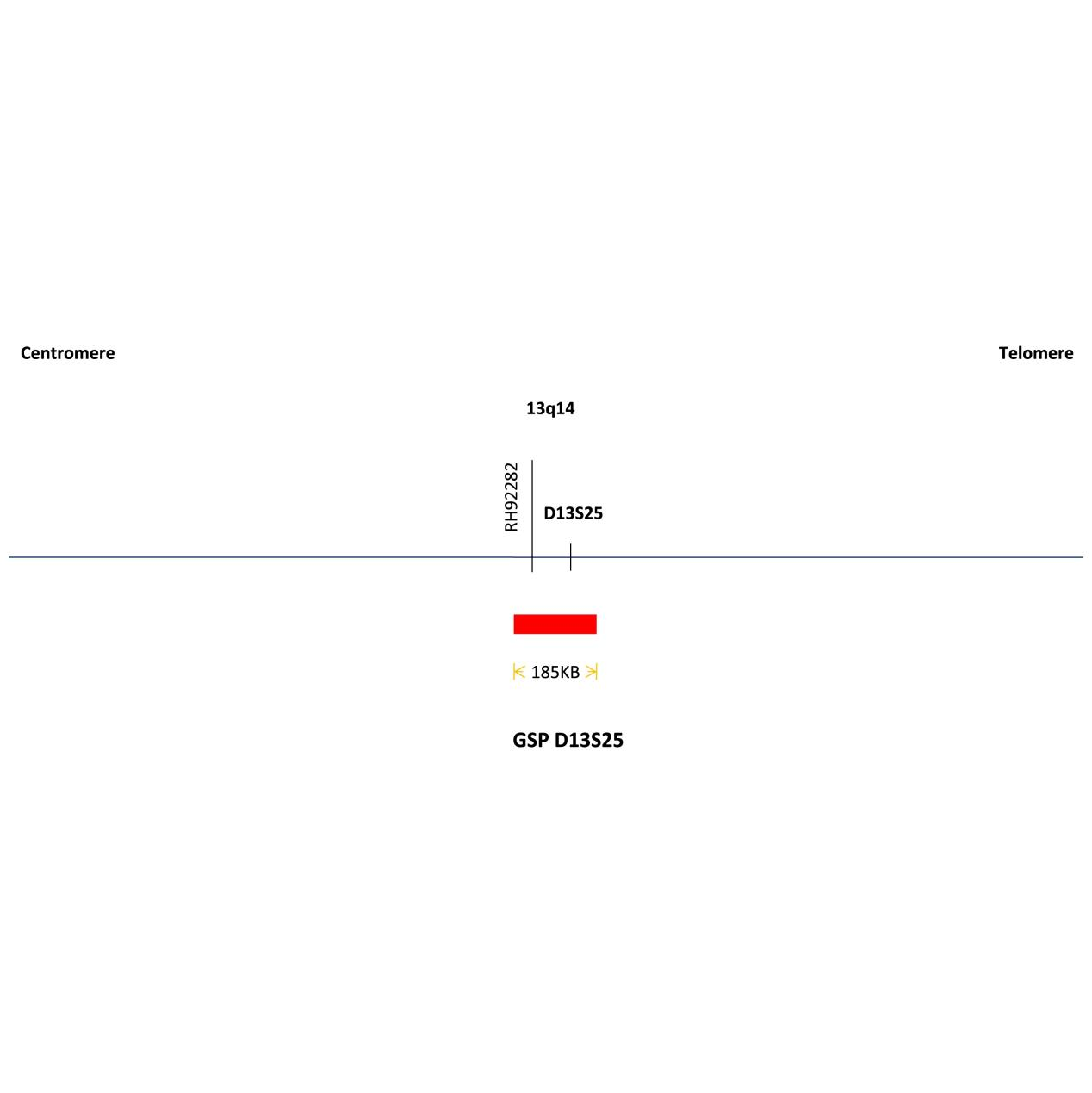
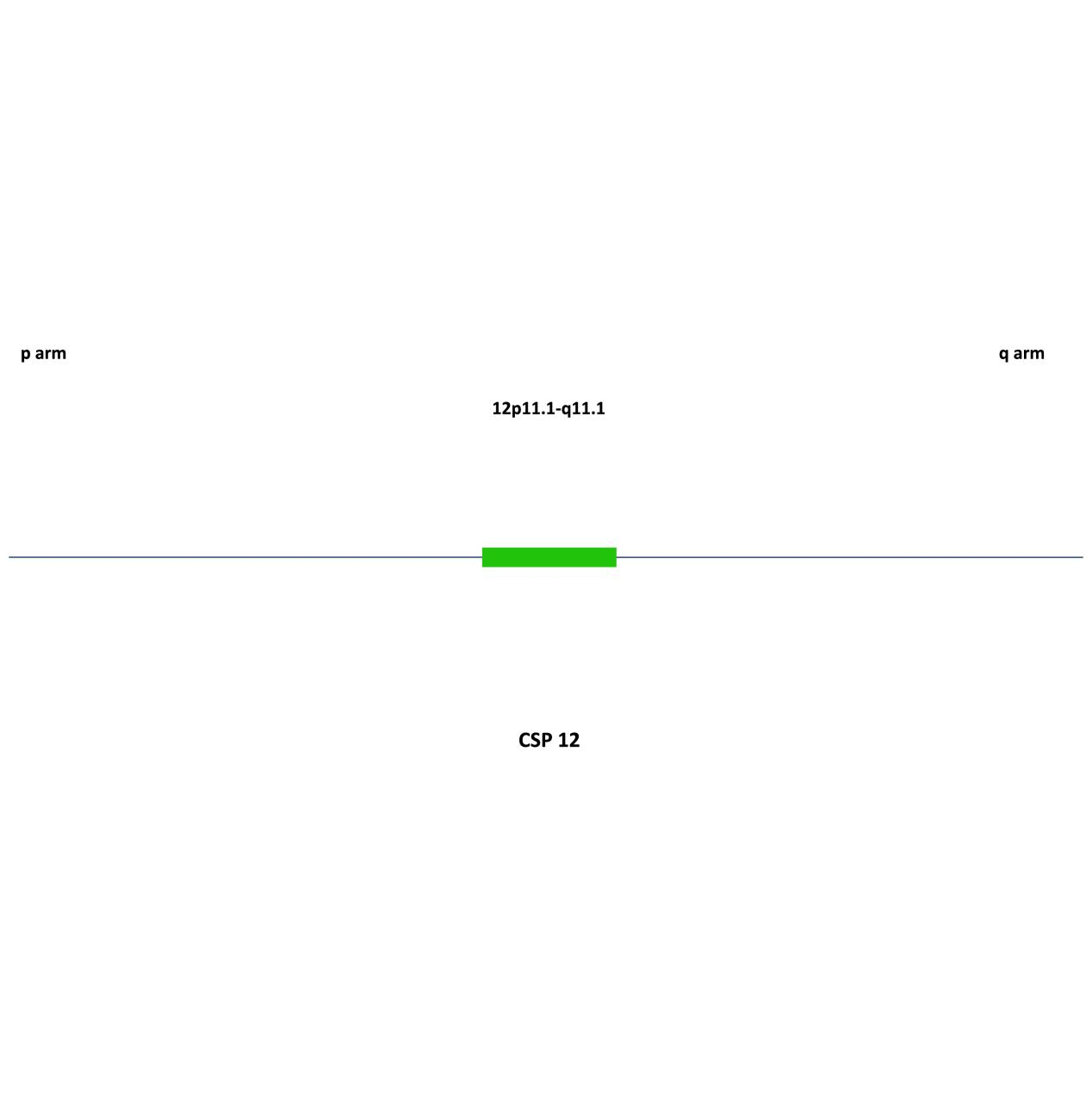
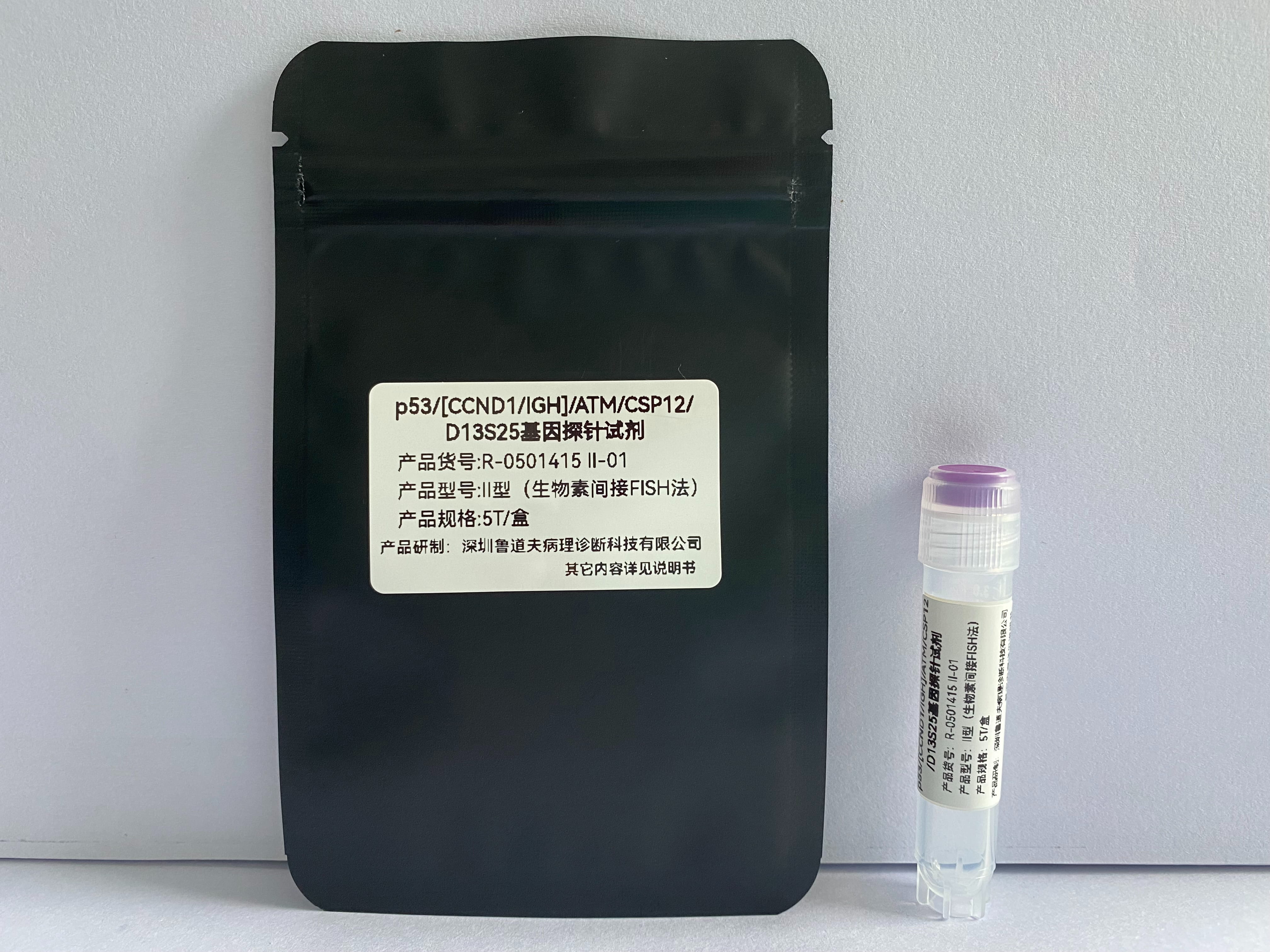
p53/[CCND1/IGH]/ATM/CSP12/D13S25 gene probe reagent
Wholesale Price(RMB):
1200024000132002640013200264001440028800
Product Code:R-0501415Ⅰ-01/R-0501415Ⅰ-02/R-0501415Ⅱ-01/R-0501415Ⅱ-02/R-0501415Ⅲ-01/R-0501415Ⅲ-02/R-0501415Ⅳ-01/R-0501415Ⅳ-02
Probe name:Hybridization Solution I: CSP 17 / GSP p53; Hybridization Solution II: GSP CCND1 / GSP IGH; Hybridization Solution III: GSP ATM / CSP 11; Hybridization Solution IV: GSP D13S25 / CSP 12
Product Code:Type I (direct FISH method)/Type II (biotin-labeled indirect FISH method)/Type III (digoxigenin-labeled indirect FISH method)/Type IV (TSA-FISH method)
Product Specifications:
5T/box(Ⅰ-01)10T/box(Ⅰ-02)5T/box(Ⅱ-01)10T/box(Ⅱ-02)5T/box(Ⅲ-01)10T/box(Ⅲ-02)5T/box(Ⅳ-01)10T/box (IV-02)
Registration Number: