



 0752-2228195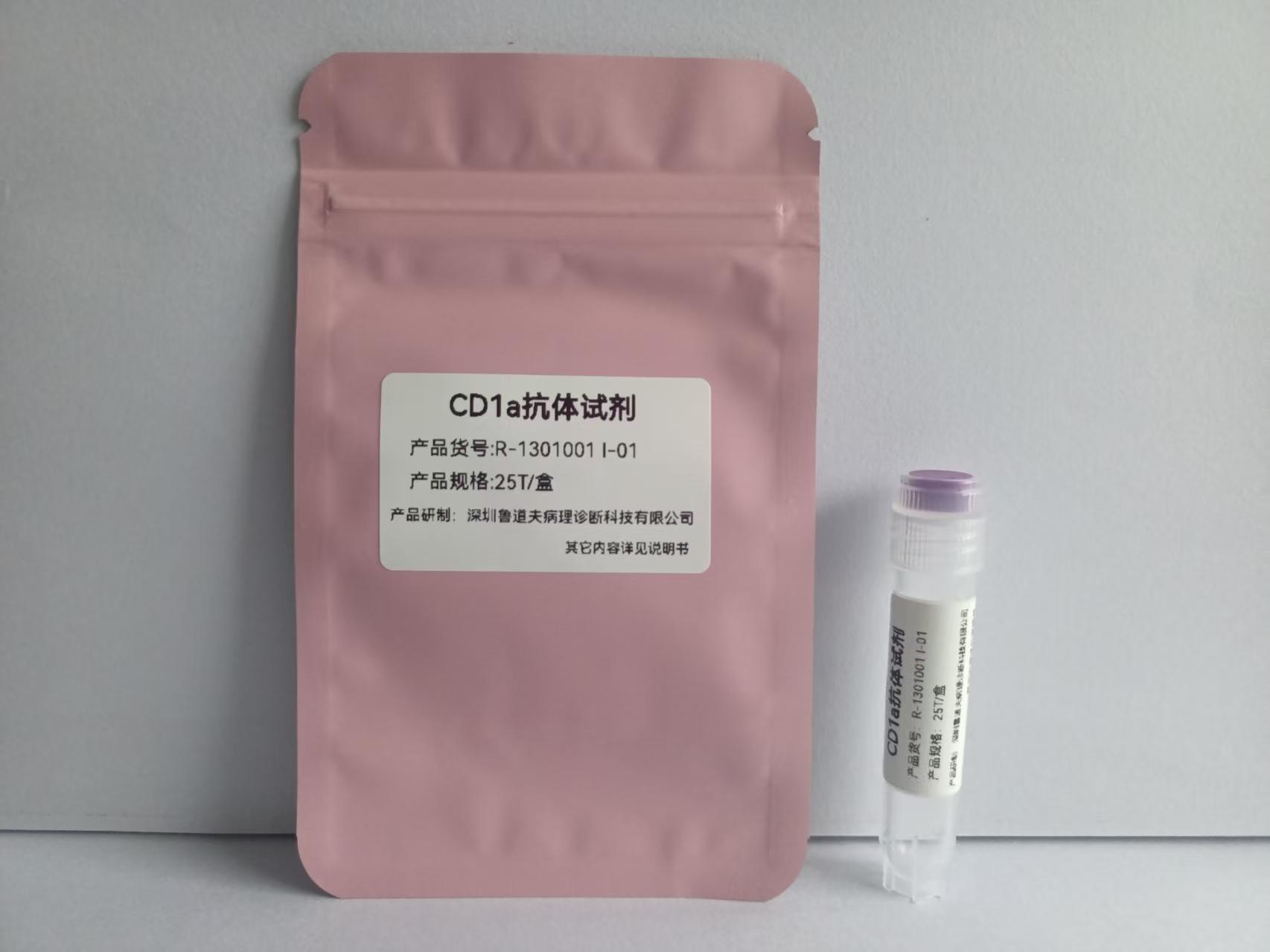
CD1a Antibody Reagent
Wholesale Price(RMB) :
Product Code:R-1301001Ⅰ-01/R-1301001Ⅰ-02
File Number:

trade name | |
|---|---|
target poin | |
marking | |
instrumentation | |
subtype | |
the Clone (Japanese spaceship) | |
Recommended Application | |
dosage | |
purify | |
reservoir | |
preservation conditio |
CD1a Molecular Target Information Overview
Molecular Name: CD1a molecule
Gene Family: The CD1 family, which is structurally similar to the major histocompatibility complex (MHC) proteins, is responsible for the presentation of lipid or glycolipid antigens.
Synonyms: CD1A, R4, T6, FCB6, HTA1, T-cell surface glycoprotein CD1a, CD antigen CD1a
Formerly known as: T-cell surface antigen T6/Leu-6
CD1a molecular targets overview
Molecular weight is 49 kD, and is expressed on thymocytes in 60% to 90% expression on thymocytes. Also expressed on dendritic cells, Langerhans cells, monocytes activated by GM-CSF alone or in combination with IL-4, certain T-lymphoblastic leukemia and lymphoma cells, and dendritic cells of the skin. It does not cross-react with peripheral blood T-lymphocytes, B-lymphocytes, monocytes, normal bone marrow monocytes, or normal tonsillar T- and B-lymphocytes. It belongs to the immunoglobulin superfamily and has a molecular structure similar to that of MHC class I molecules.
CD1a can be used to detect immunophenotyping of cutaneous Langerhans cells, T-lymphoblastic leukemias and lymphomas, as well as for the study of T-lymphocyte expression in the case of immune system dysfunction due to immunodeficiency.




Copyright: Shenzhen Rudolf Pathological Diagnosis Technology Co., Ltd