Oxidation and reduction are generally coupled together in living organisms, dehydrogenation, deelectronization, gain of oxygen for oxidation; gain of hydrogen, gain of electrons, loss of oxygen for reduction, oxidation process through catalysis to make the substrate transfer two hydrogen atoms to combine with oxygen, the enzymes involved are called oxidative enzymes, common oxidative enzymes are tyrosinase (dopa oxidase), monoamine oxidase, cytochrome oxidase, peroxidase and so on. Monoamine Oxidase (MAO) acts on amines, such as tryptophan, epinephrine, 5-hydroxytryptophan, etc. MAO oxidizes the toxic amines, removes the terminal amine or methylamine, and the aldehyde formed is transformed into the related carboxylic acid or alcohol by the enzyme, and the reaction products are excreted through urine. The organs with strong MAO activity are the liver, intestines, kidneys, and certain regions of the central nervous system.
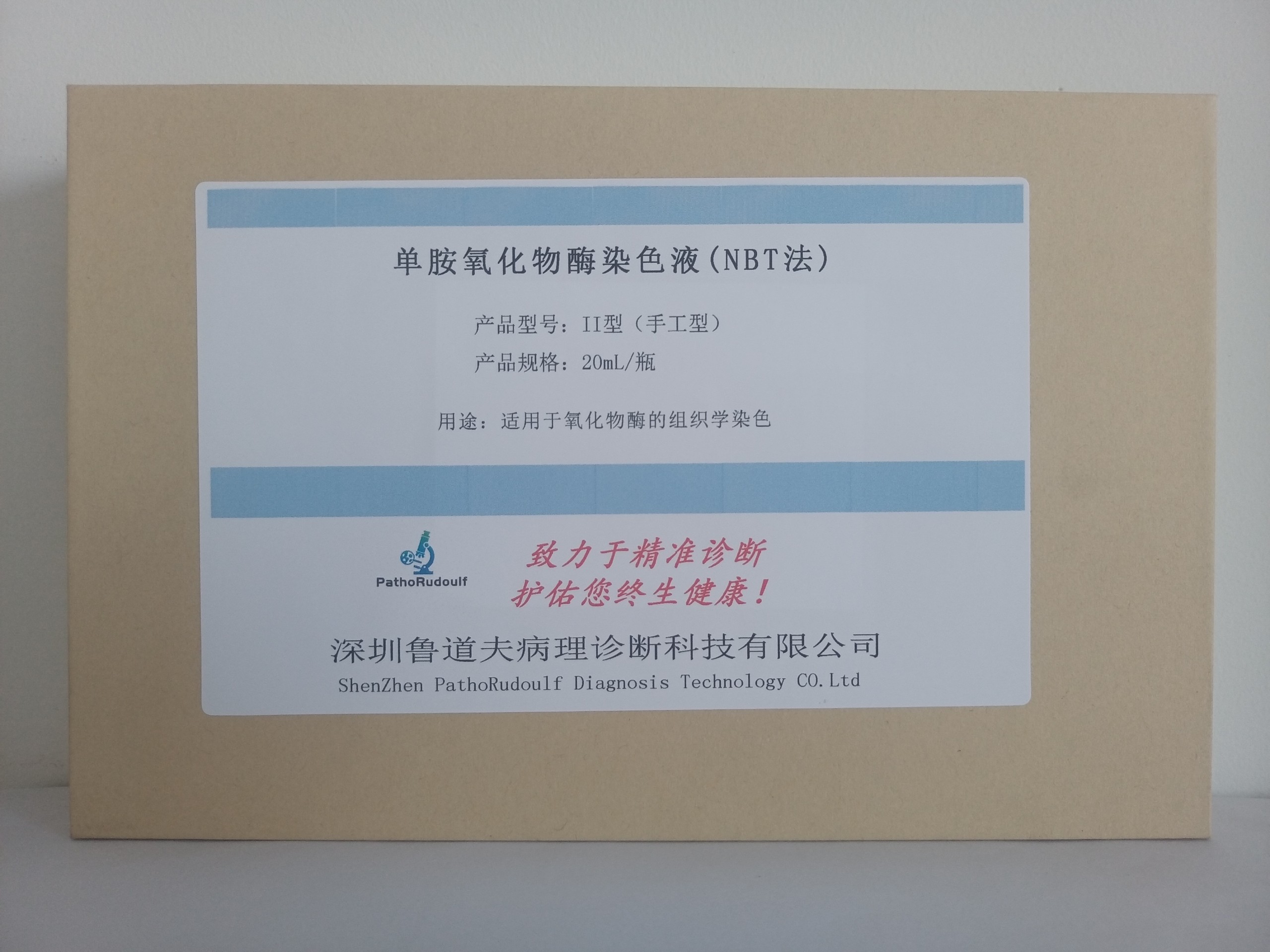
Monoamine oxidase staining solution (NBT method) is based on tryptamine salt as substrate and nitrotetrazolium salt as hydrogen acceptor, in the process of oxidative deamination, 3'indole acetaldehyde generated from tryptamine reduces nitrotetrazolium salt to a dirty methane precipitate.





 0752-2228195