The PAN cells were located at the base of the intestinal glands, and their morphology was similar to that of the intestinal epithelial cells, which were cone-shaped, often in groups of three or five and juxtaposed with each other. The nucleus was oval, located at the base of the cell, and the cytoplasm contained coarse eosinophilic granules, so the HE-stained sections were stained red. There were metallic zinc, arginine and tyrosine in the granules of PAN cells. Some people use immunocytochemistry to determine its secretion granules contain lysosomal bacteria, lysosomal bacteria can digest some bacteria, and have a certain role in controlling intestinal bacteria, but the function of PAN cells is still not completely clear.
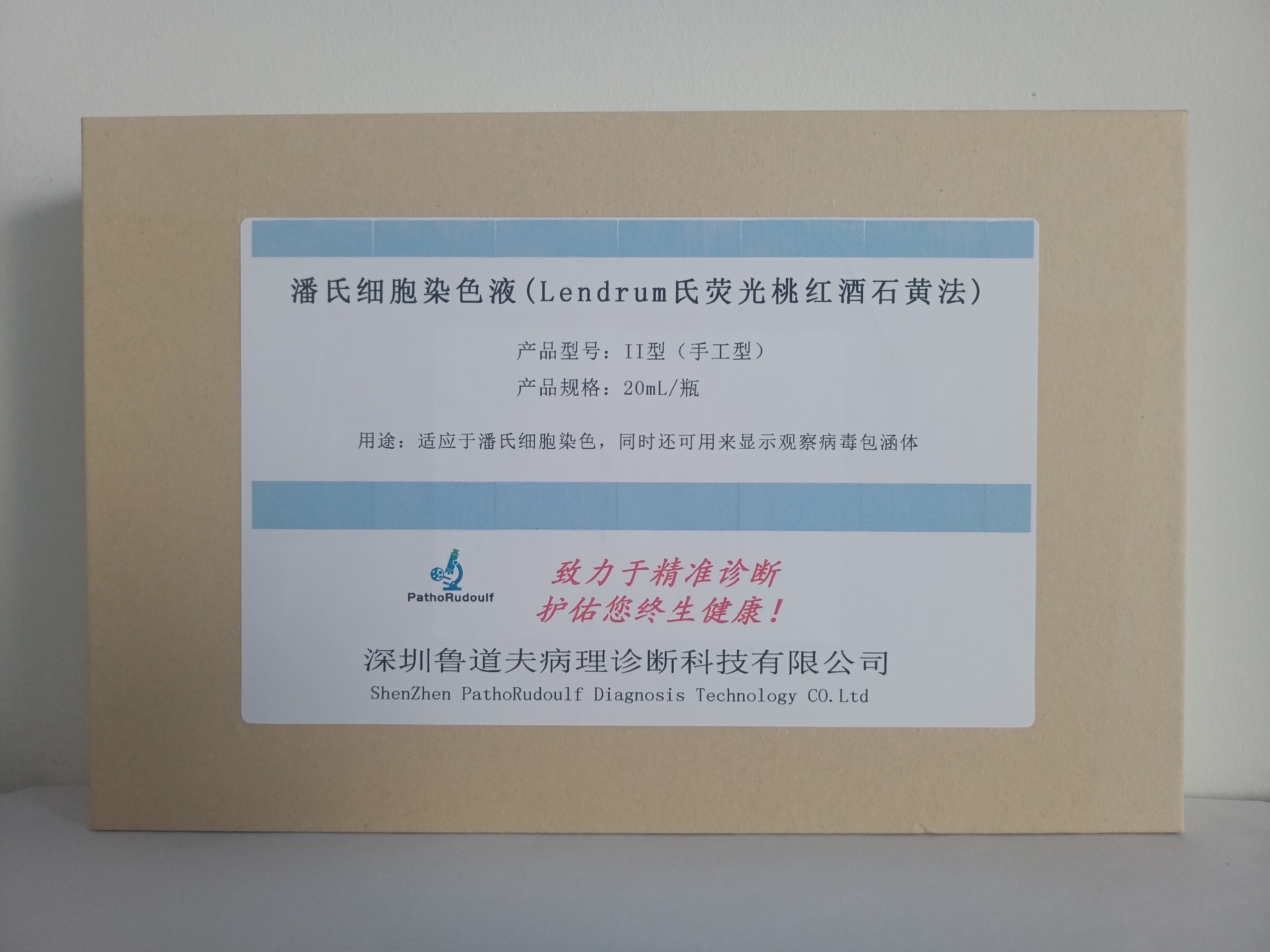
The PAN cell staining solution was used in the Lendrum method, also known as the fluorescent peach tartaric yellow method, which utilizes fluorescent peach tartaric red to stain the PAN cells, the nuclei of the cells are stained blue, and the background is re-stained yellow by tartaric yellow. In addition to staining PAN cells, this method can also be used to show viral inclusion bodies.





 0752-2228195