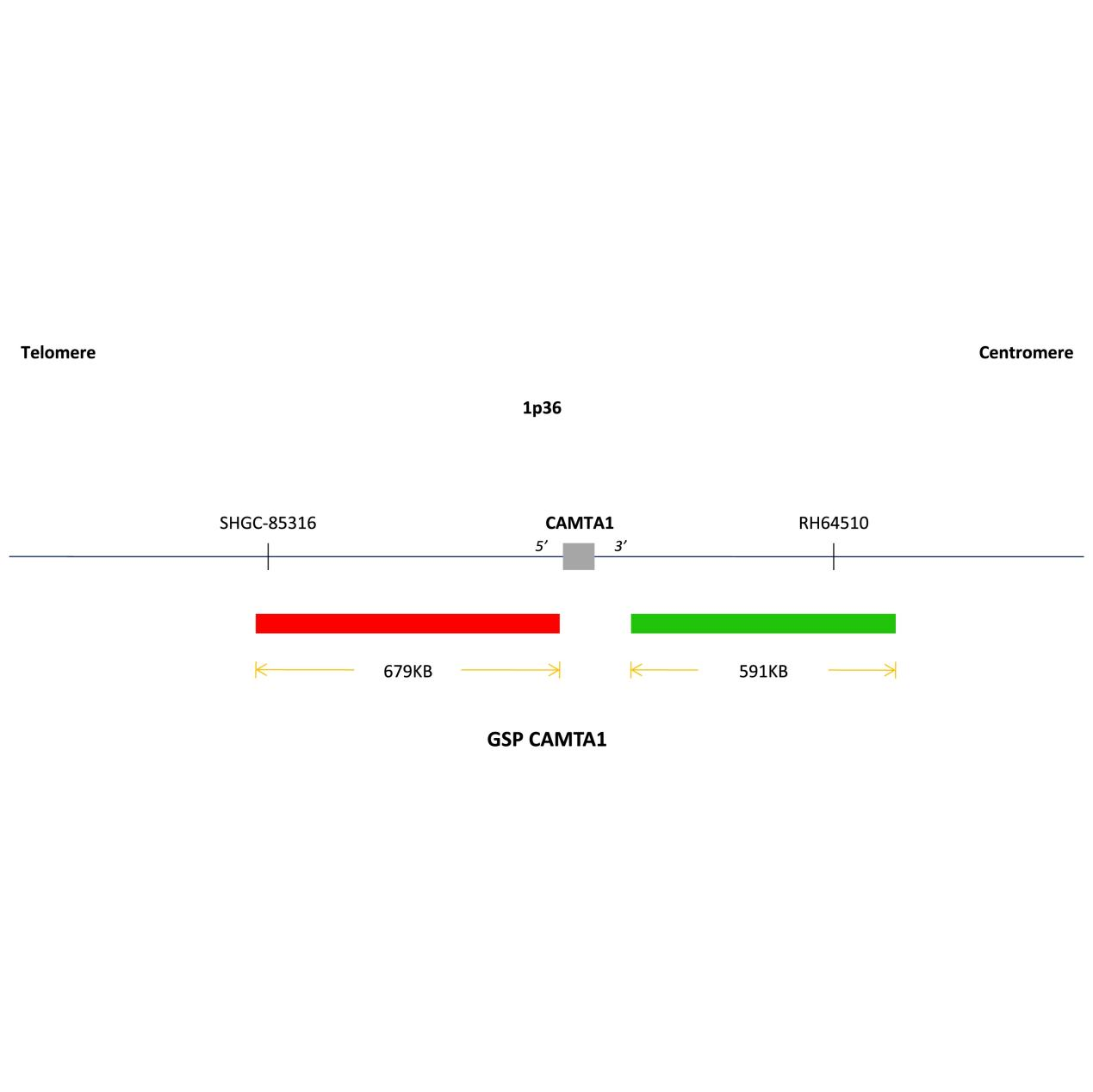
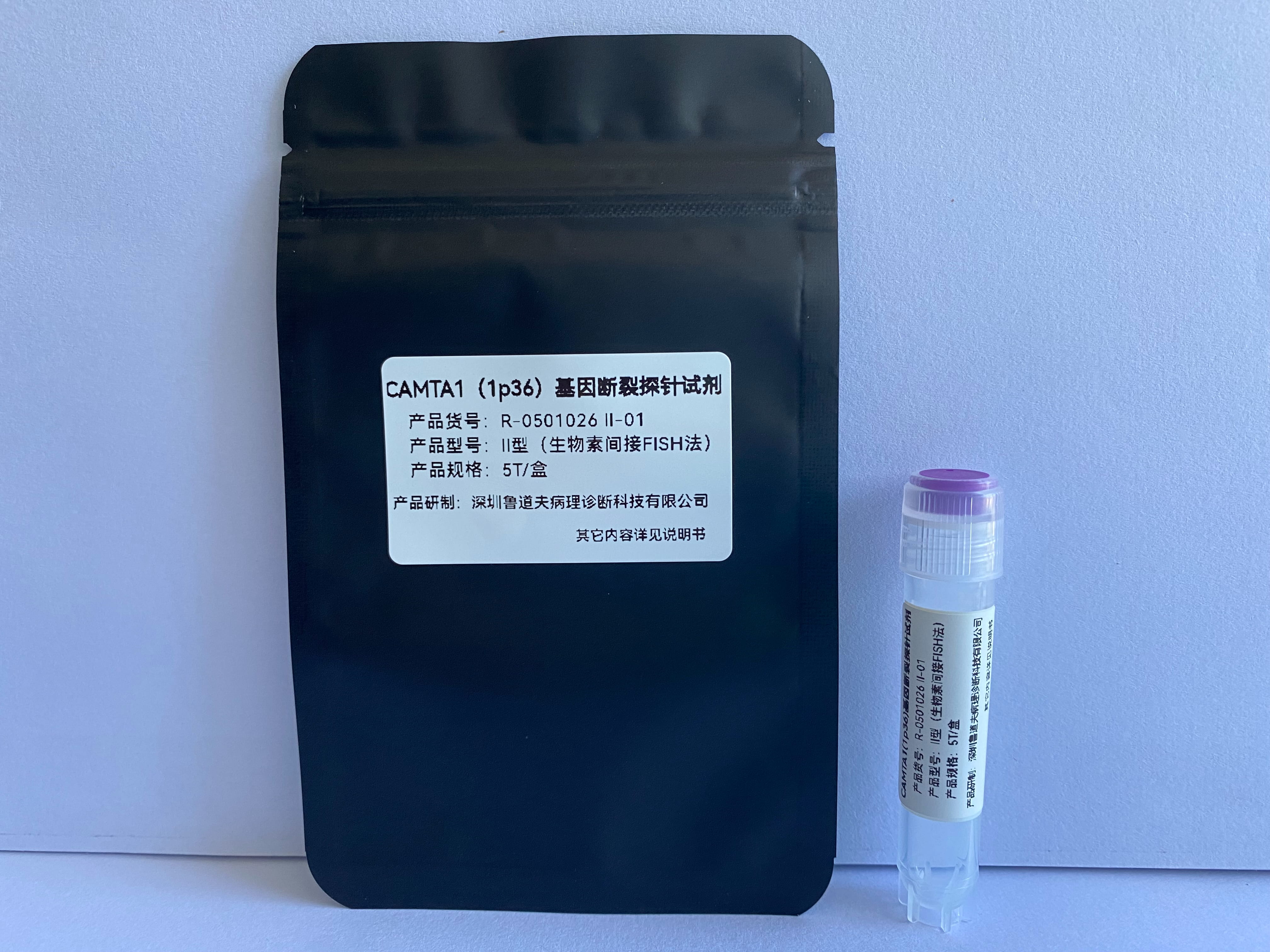
Epithelioid hemangioendothelioma (EHE) is considered a low- to intermediate-grade angiosarcoma. It can occur at any age but is most commonly seen in individuals in their 20s. It may present as a single or multiple lesions in the lungs, liver, and surrounding soft tissues. The rates of metastasis and tumor-related mortality are 25% and 15%, respectively. The WWTR1-CAMTA1 fusion gene (t(1;13)(p36;q25)) is a characteristic fusion gene and can be used for辅助诊断 (positive rate 77%–85%). Note: Less than 5% of cases exhibit YAP1-TFE3 fusion;
Epithelioid hemangioblastoma, epithelioid hemangioendothelioma, and epithelioid hemangiosarcoma are a group of epithelioid vascular tumors ranging from benign to low- and high-grade malignant. When involving bones, these tumors primarily affect long bones, pelvic bones, vertebrae, and ribs, often presenting as multicentric lesions, with clinical, imaging, and morphological features frequently overlapping;
Cancer, melanoma, and malignant mesothelioma must be ruled out first when diagnosing EHE. CAMTA1 expression is negative in epithelioid hemangiosarcoma, aiding in differentiation between the two. First-line differential diagnoses for EHE: epithelioid hemangioma, carcinoma (particularly signet ring cell carcinoma), melanoma, malignant mesothelioma (epithelioid and desmoplastic), epithelioid hemangiosarcoma, epithelioid sarcoma, pseudomyogenic vascular endothelial tumor, and epithelioid malignant peripheral nerve sheath tumor. Second-line differential diagnoses: large cell lymphoma, soft tissue myoepithelioma, epithelioid schwannoma, epithelioid (Spitz) nevus, reticulohistiocytoma, and epithelioid fibrous histiocytoma, epithelioid skin appendage tumors.





 0752-2228195