Tumors and neoplastic lesions of undetermined differentiation
Clear cell sarcoma, also known as soft tissue malignant melanoma, is a rare and aggressive tumor. It is histologically more difficult to differentiate from cutaneous malignant melanoma;
Clear cell sarcoma of soft tissue is mainly differentiated and diagnosed from synovial sarcoma and epithelioid malignant peripheral nerve sheath meningioma. In addition, clear cell sarcoma of the gastrointestinal tract needs to be differentiated from poorly differentiated adenocarcinoma;
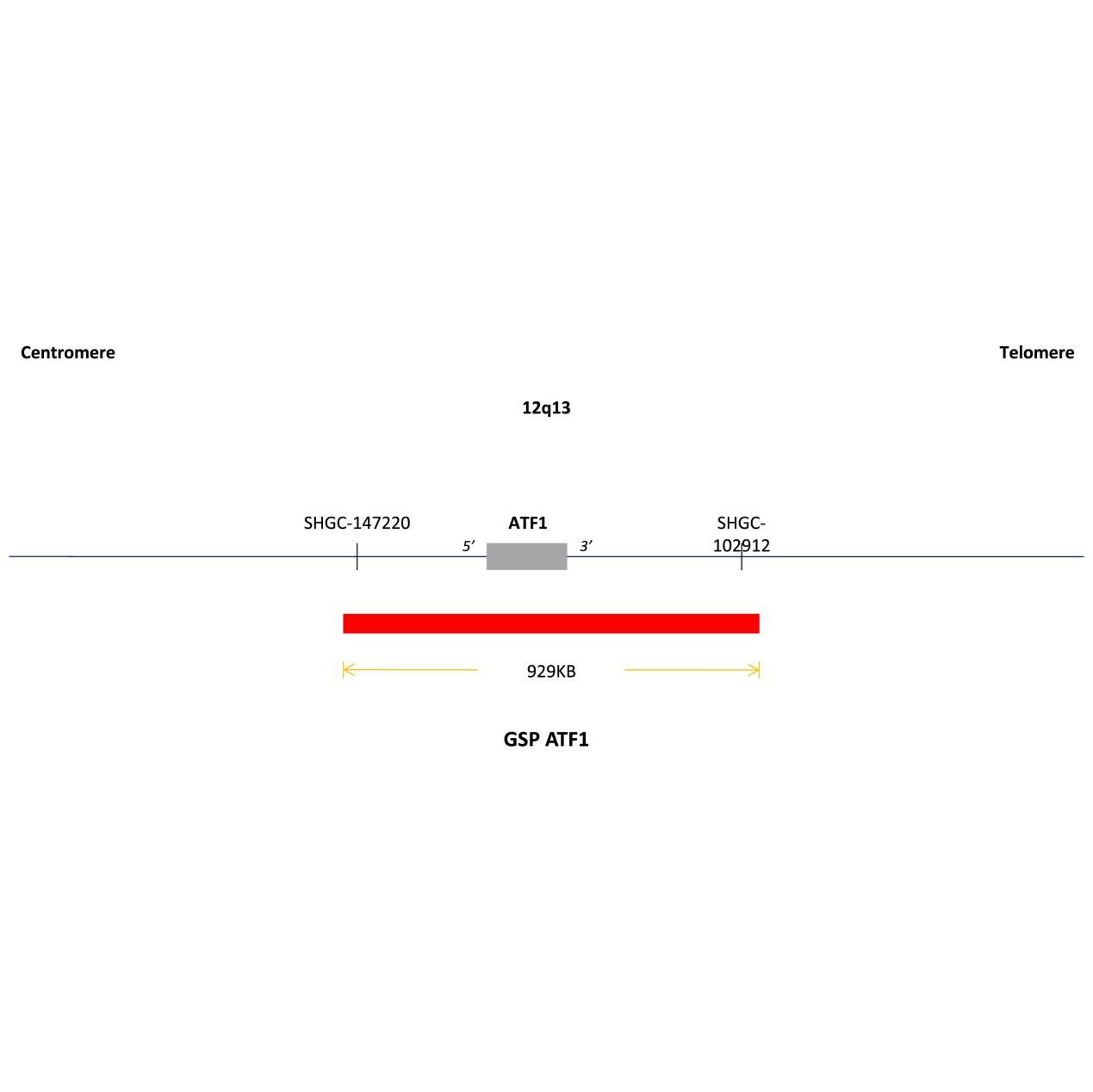
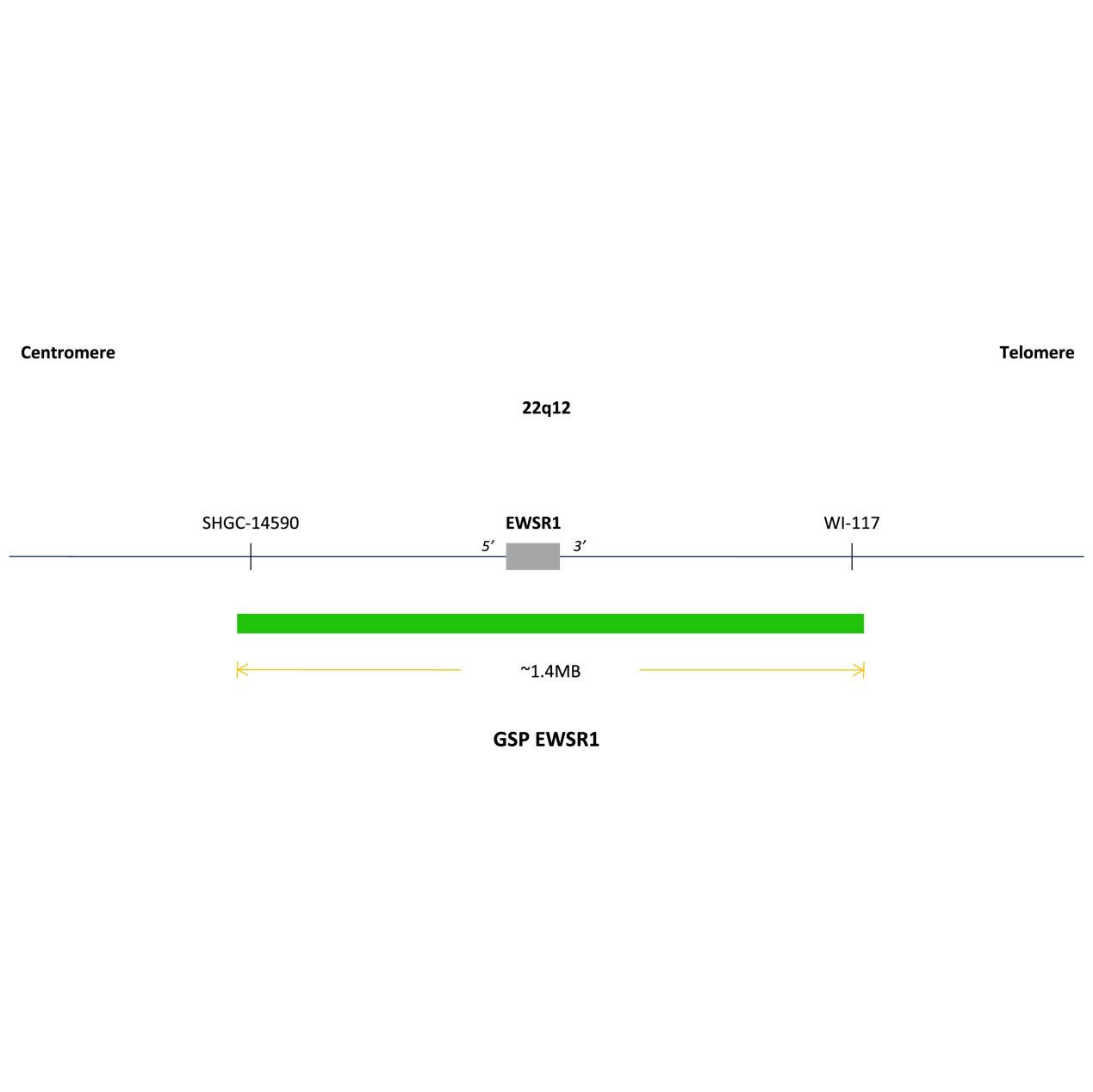
Clear cell sarcoma of soft tissues is accompanied by abnormalities of the EWSR1-ATF1 (predominantly) and EWSR1-CREB1 fusion genes, which can be used to aid in the diagnosis;
In addition, the EWSR1-ATF1 fusion gene can be seen in angiomyolipoma-like fibrous histiocytomas, vitreous clear cell carcinomas of the salivary glands and myoepithelial neoplasms of soft tissues, In addition, the EWSR1-ATF1 fusion gene can also be found in angiosarcoma-like fibrous histiocytoma, vitelliform clear cell carcinoma of salivary glands, soft tissue myoepithelioma, and clear cell sarcomatoid tumor of the gastrointestinal tract/gastrointestinal neural ectodermal tumors.
Salivary gland tumors
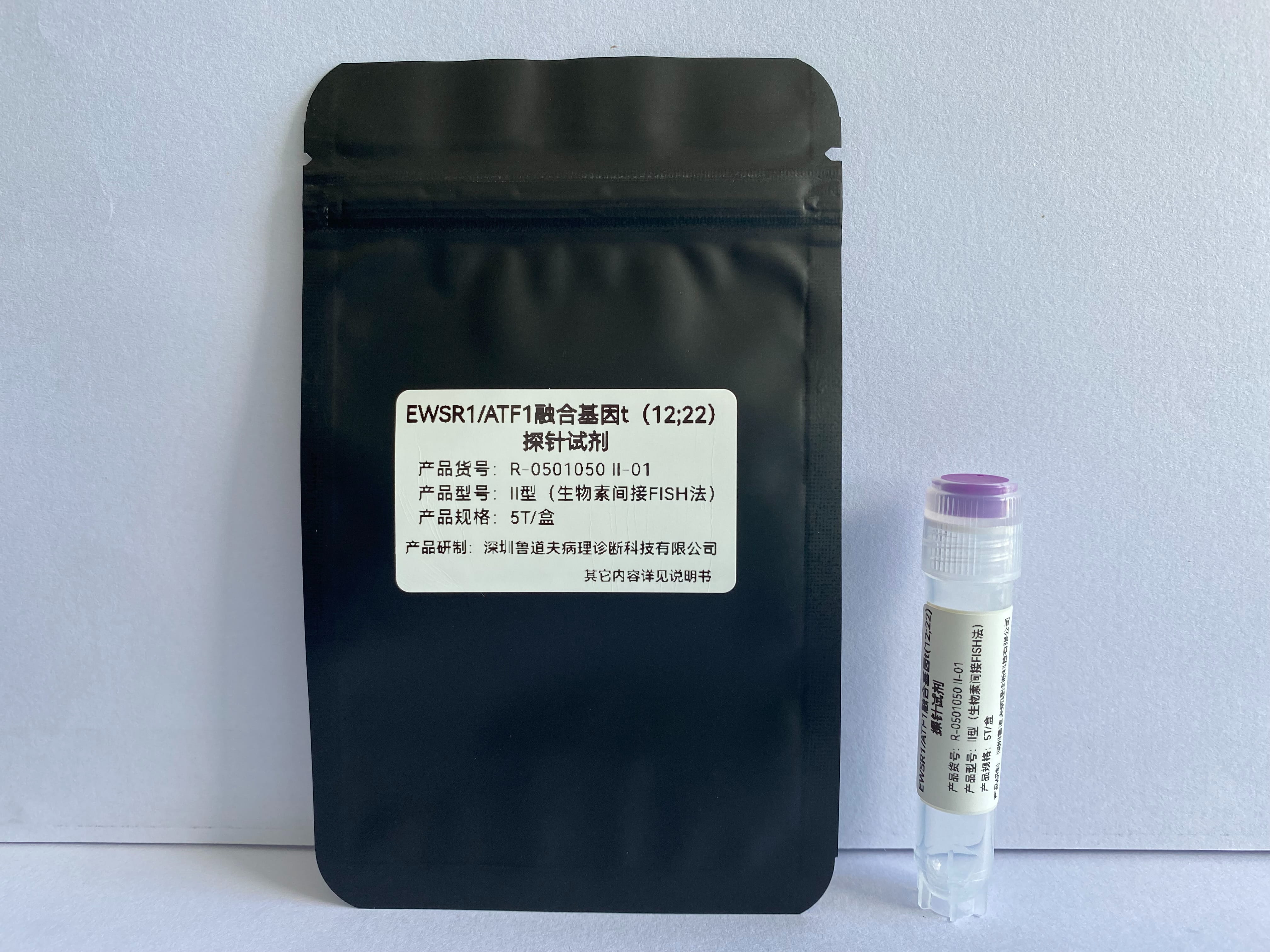
Hyaline metaplastic clear cell carcinoma (HCCC) is more common in females and is found in the minor salivary glands, especially the floor of the mouth. Solid nests, trabecular, cord-like, invasive growth. Diagnostic points: no bidirectional features; clear cells are epithelial with no myoepithelial features. Recently, the presence of a specific molecular marker, the EWSR1-ATF1 fusion gene, has been identified in HCCC, which helps to differentiate HCCC from mucoepidermoid carcinomas, which are histologically similar but more invasive.EWSR1/ATF1 fusion gene t(12;22) probe reagent





 0752-2228195