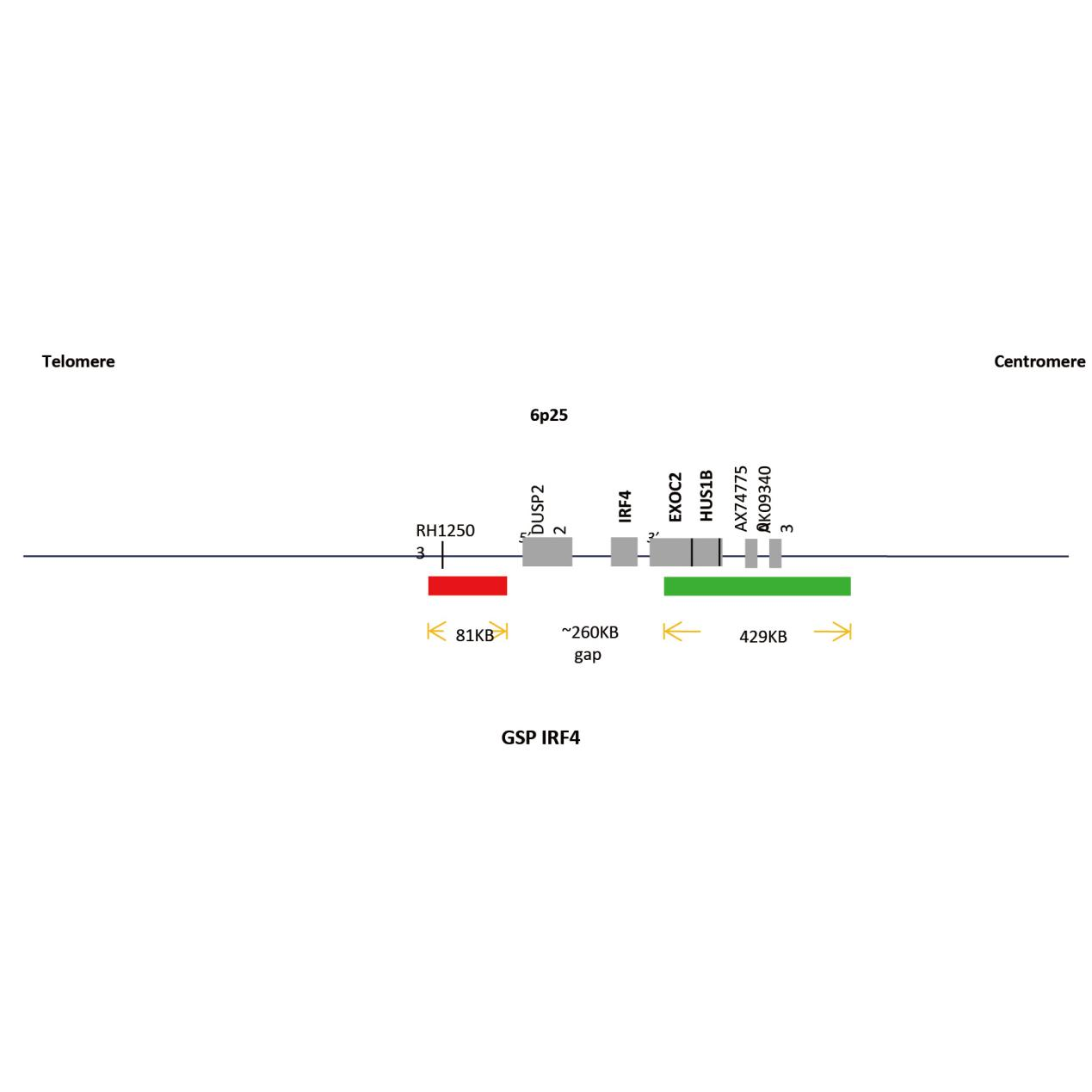
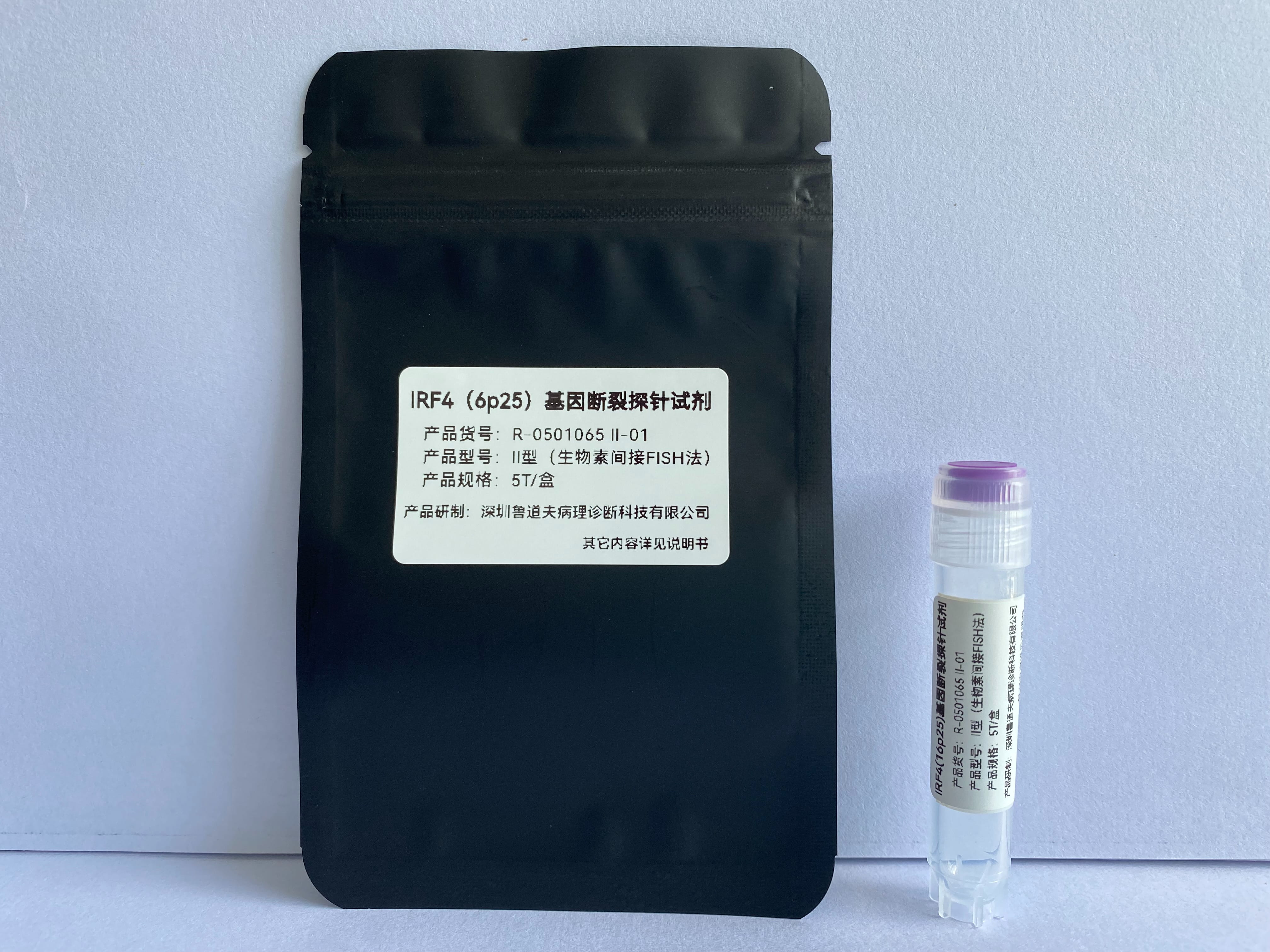
IRF4 gene disruption has a high specificity and positive predictive value (99% and 90%, respectively) in primary cutaneous interstitial large cell lymphoma and is used as an adjunctive diagnosis;
The 2016 edition of the WHO clearly defines “childhood-type follicular lymphoma” as a separate entity of follicular lymphoma (a rare form of follicular lymphoma). "Childhood-onset follicular lymphoma occurs mainly in children and young adults and has distinctive morphological and biological features. The molecular biology is characterized by “common IRF4 breaks” in the pharyngeal lymphatic ring and “occasional BCL6 breaks” in the testis;
The 2018 CSCO guideline describes large B-cell lymphoma with IRF4/MUM1 rearrangement, predominantly in the pharyngeal lymphatic ring and/or cervical lymph nodes, most often early in the clinical course, morphologically similar to FL3B or DLBCL, negative for BCL2 rearrangement, locally aggressive but well-treated;
IRF4 disruption is also a CD30-positive cutaneous T-cell lymphoma subset, as reported in the literature. IRF4 breaks can have multiple atypical positivity beyond the typical 1 red, 1 green, and 1 yellow positive signals, such as 2F+1G extra signal;
The 2016 edition of WHO proposed the subtype “ALK-negative ALCL (mesenchymal large cell lymphoma)”, and DUSP22 rearrangement accounts for approximately 30% of ALK break-negative cases with a better prognosis and a 5-year survival rate of approximately 90%;
The 2018 edition of the CSCO guidelines states that the prognosis of ALK-negative ALCL with DUSP22 rearrangement is similar to that of ALK-positive patients, and treatment can be based on the principles of ALK-positive ALCL treatment;
Since the two genes, DUSP22 and IRF4, are in close proximity to each other, our IRF4 breakage probe can be used to detect DUSP22 abnormalities.





 0752-2228195