Fibrous histiocyte tumors and verrucous lesions
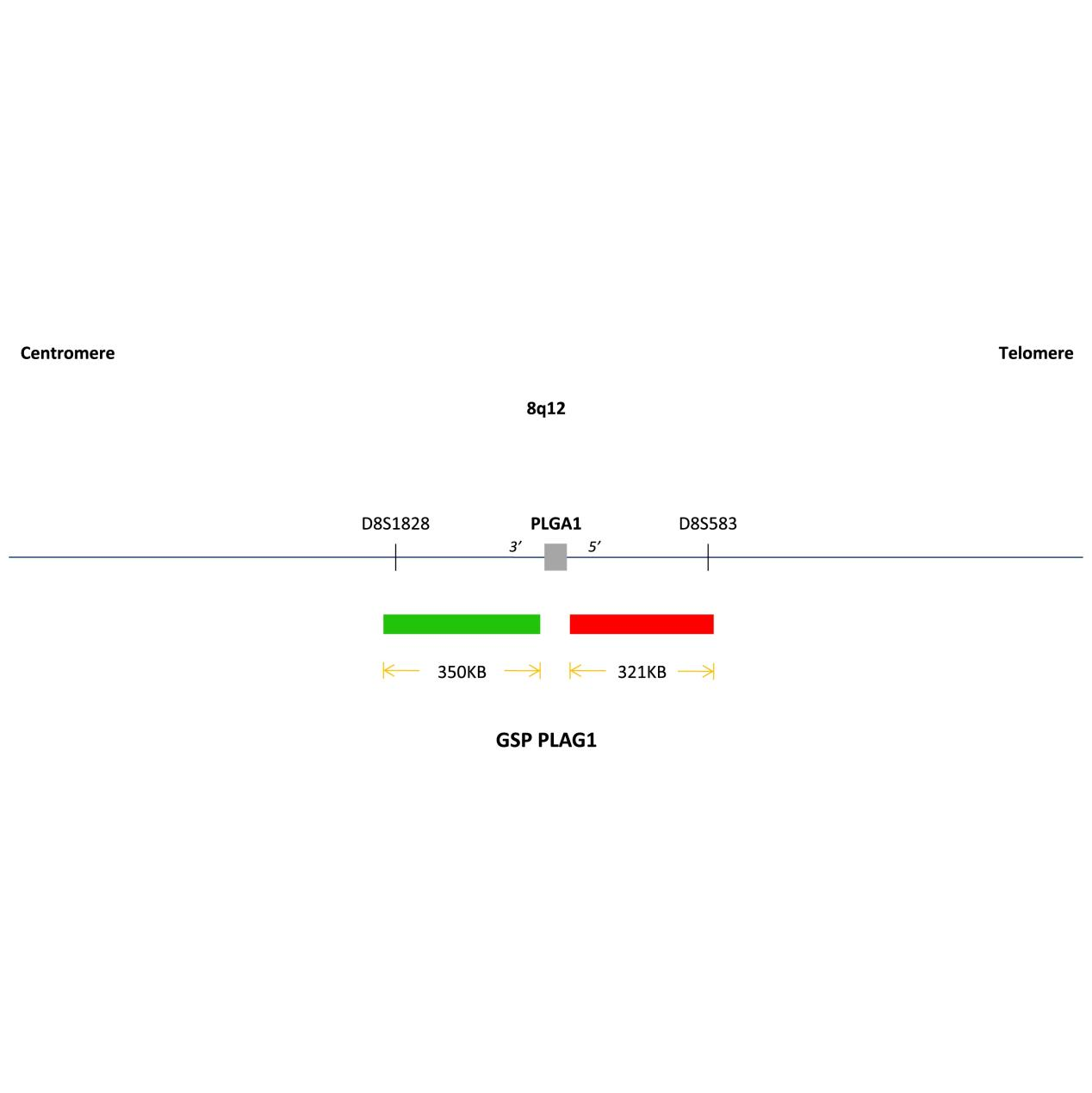
The reproducible fusion gene abnormalities in lipoblastoma (lipoblastoma) are PLAG1-COL1A2, PLAG1-COL3A1, PLAG1-HAS2, PLAG1-RAB2A, and PLAG1-RAD51B, with an incidence of about 50% to 60%.
Sufficiently mature adipose Sufficiently mature lipoblastoma has obvious lobulated manifestations and can be distinguished from common lipoma. However, the most important differential diagnosis is with mucinous liposarcoma.
Salivary gland tumors
Key points in the diagnosis of pleiomorphic adenoma: clear demarcation, two cellular components (epithelial and myoepithelial), myoepithelial melting phenomenon, cartilaginous stroma, and plasma cell-like cells. In pleomorphic adenoma, PLAG1 can be fused with CTNNB1, LIFR, TCEA1, CHCHD7 and other genes, with a total incidence of about 40%, which can assist in differentiating pleomorphic adenoma from benign tumors. And amplification of HMGA2 gene (12q14) can be common.
Uterine mesenchymal tumors
2019 AJSP reported that a group of uterine mucinous-like smooth muscle sarcomas with PLAG1 translocations are distinct tumors from other uterine mucinous-like mesenchymal tumors. 7 cases were associated with diffuse expression of PLAG1 immunohistochemically, 4 of which were associated with PLAG1 translocations, with partner genes TRPS1 or RAD51B. The authors concluded that PLAG1 translocations leading to diffuse PLAG1 expression is seen in approximately 25% of mucinous smooth muscle sarcomas and is a valid molecular diagnostic target to distinguish mucinous smooth muscle sarcomas with PLAG1 translocation from other morphologically similar tumors.





 0752-2228195