Fibroblastic-myofibroblastic neoplasms and neoplastic lesions
Nodular fasciitis is a common pseudosarcomatous fibroblastic and myofibroblastic proliferative lesion of the soft tissues. It is also known as pseudosarcomatous fasciitis because it is easily misdiagnosed as fibrosarcoma, mucinous fibrosarcoma, smooth muscle sarcoma, Kaposi's sarcoma, etc.;
Nodular fasciitis is mainly differentiated from fibromatosis, fibrosarcoma, mucinous liposarcoma, dermatofibrosarcoma, neurofibroma, and dermatoglycanoma;
In recent years, the discovery of the presence of a MYH9-USP6 fusion gene in nodular fasciitis has put an end to the many years of research into whether the disease is a reactive or tumorigenic lesion;
can be used to diagnose nodular fasciitis. Also, similar USP6 rearrangements have been found in ossifying myositis and primary aneurysmal bone cysts (ABC, ~75% positivity; no USP6 rearrangements in secondary ABC) and soft tissue ABC, which have similar self-limiting disease courses.USP6 rearrangements have also been seen in cell-rich tenosynovial fibromas (6/9).
Soft Tissue Osteoid-Cartilaginous Tumors and Neoplasms
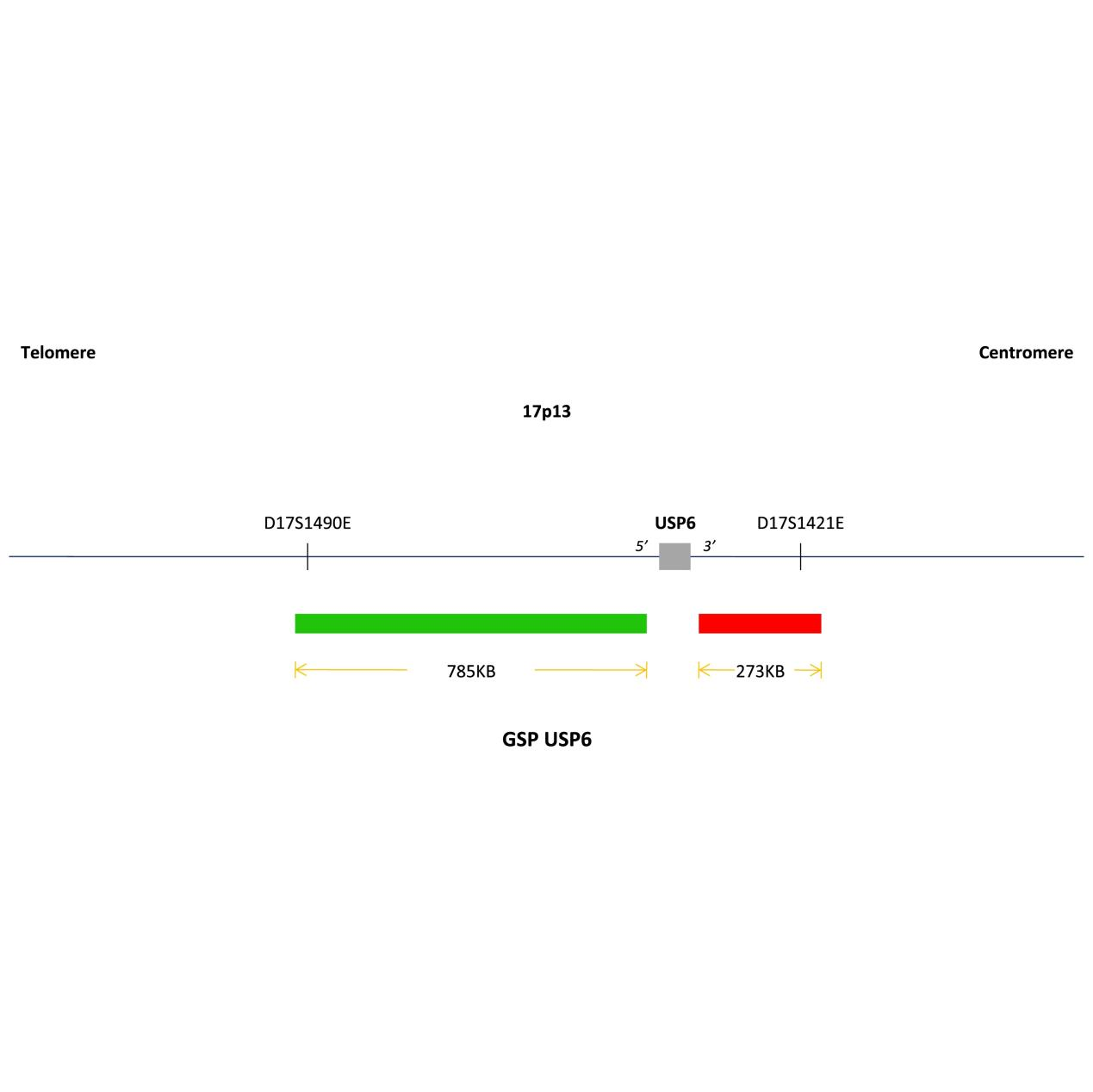
The USP6 gene is localized to chromosome 17p13 and has multiple fusion partners, including CDH11, ZNF9, COL1A1, TRAP150, OMD, RUNX2, and USP9X. USP6 gene rearrangements are present in approximately 75% of primary aneurysmal bone cysts (ABCs), whereas secondary ABCs and other tumors with similar morphologic presentations, such as vasodilated osteosarcoma, do not. USP6 gene rearrangements are also seen in nodular fasciitis (including craniosynostosis and endovascular fasciitis), fibro-osseous pseudotumor of the digits and toes, ossifying myositis, giant cell lesions of the small bones, solid-type ABC, solid-type ABCs, and intracellular fasciitis, as well as fibrous osteoid pseudotumors of the digits and toes. lesions, solid-type ABCs, and cell-rich tenosynovial fibromas. These benign tumors of bone and soft tissue with USP6 gene rearrangement have some similar features in clinical presentation, such as prevalence in young adults and rapid enlargement in a short period of time, but the growth of the tumor is self-limited. Microscopically, they were composed of relatively mild fibroblasts, myofibroblasts, osteoblasts and osteoclast-like giant cells with obvious osteogenesis.





 0752-2228195