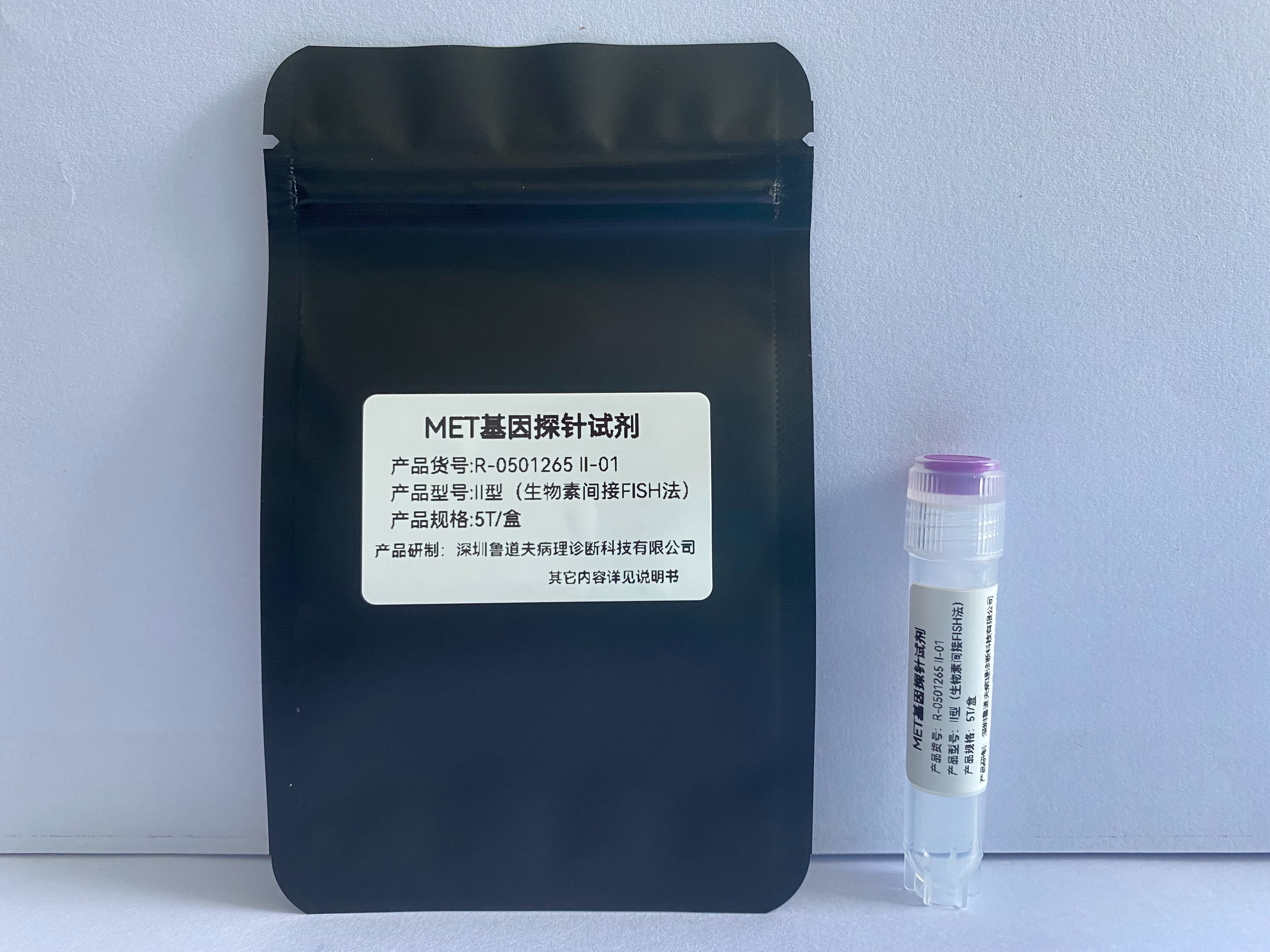

30006000330066003300660036007200
5T/box(Ⅰ-01)10T/box(Ⅰ-02)5T/box(Ⅱ-01)10T/box(Ⅱ-02)5T/box(Ⅲ-01)10T/box(Ⅲ-02)5T/box(Ⅳ-01)10T/box (IV-02)

30006000330066003300660036007200
5T/box(Ⅰ-01)10T/box(Ⅰ-02)5T/box(Ⅱ-01)10T/box(Ⅱ-02)5T/box(Ⅲ-01)10T/box(Ⅲ-02)5T/box(Ⅳ-01)10T/box (IV-02)
Lung Cancer - Non-Small Cell Lung Cancer
C-MET can appear amplified in a wide range of tumors (ovarian/breast/lung/thyroid/gastric/pancreatic/colorectal cancers), and is an independent factor in the assessment of poor prognosis. In non-small cell lung cancer, C-MET gene amplification is strongly associated with poor prognosis and resistance to EGFR-TKIs (seen in 11%-22% of cases).C-MET gene amplification is one of the targets of action of crizotinib, and tumors can be significantly shrunk after a period of time in patients with MET gene amplification.
Neurological Tumors - Glioblastoma
The MET gene can undergo MET-PTPRZ1 fusion in addition to amplification/expression and exon 14 jump mutation. All three MET gene-associated molecular events are concentrated in inspired glioblastoma, suggesting that they may promote the evolution of low-grade gliomas to inspired glioblastoma. A targeted drug against the MET-PTPRZ1 fusion, burretinib, is undergoing phase II clinical trials. If successful, it could provide an effective targeted therapy for approximately 14% of secondary glioblastomas in the clinic.