
1500030000165003300016500330001800036000
5T/box(Ⅰ-01)10T/box(Ⅰ-02)5T/box(Ⅱ-01)10T/box(Ⅱ-02)5T/box(Ⅲ-01)10T/box(Ⅲ-02)5T/box(Ⅳ-01)10T/box (IV-02)

1500030000165003300016500330001800036000
5T/box(Ⅰ-01)10T/box(Ⅰ-02)5T/box(Ⅱ-01)10T/box(Ⅱ-02)5T/box(Ⅲ-01)10T/box(Ⅲ-02)5T/box(Ⅳ-01)10T/box (IV-02)
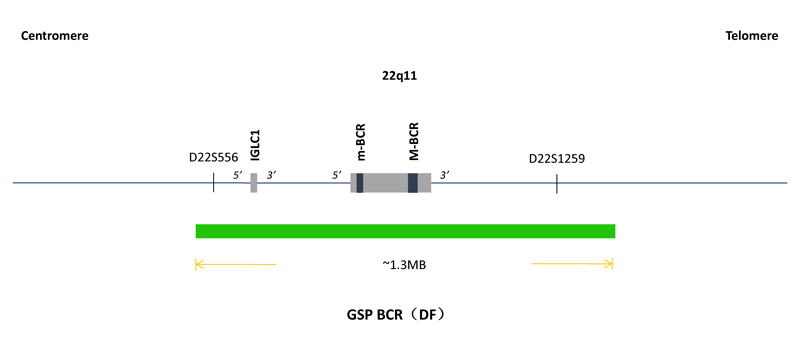
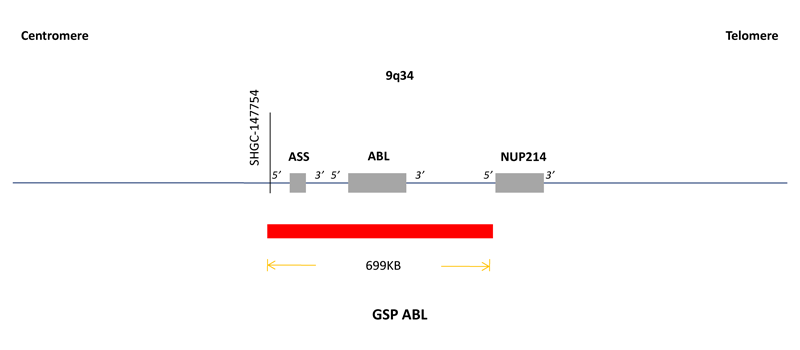
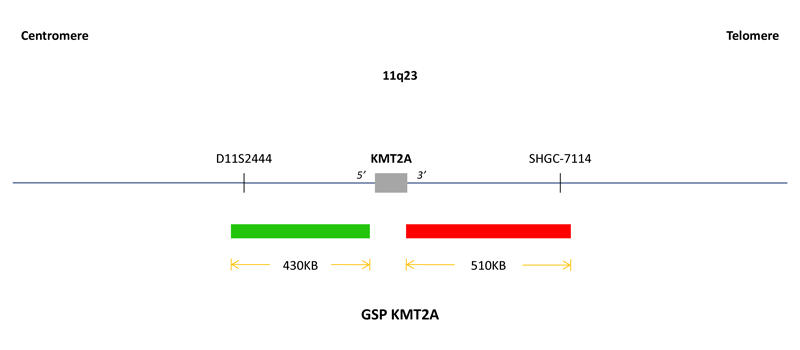
The US Children's Oncology Group (COG) classified childhood acute lymphoblastic leukemia ALL into low-risk [t(12;21)/TEL-AML1 or trisomy of chromosomes 4, 10, and 17], standard-risk, high-risk ( MLL rearrangement) and high-high-risk [t(9;22)/BCR-ABL] groups;
Chromosomal trisomies 4, 10, and 17 are independent indicators of good prognosis; TEL/AML1, by far the most common chromosomal rearrangement in childhood acute lymphoblastic leukemia ALL, is one of the indicators of good prognosis; and KMT2A (formerly known as MLL) gene alterations, which have a prevalence of approximately 5% to 10% in acute leukemias, and as high as 79% in infantile ALL, are a marker of poor prognosis; BCR/ABL accounts for 3% to 5% of childhood ALL and is one of the most important poor prognostic factors, The United States (FDA) approved a new indication for Gleevec on January 25, 2013, for the treatment of pediatric patients with newly diagnosed Philadelphia chromosome-positive (Ph+) acute lymphoblastic leukemia (ALL);
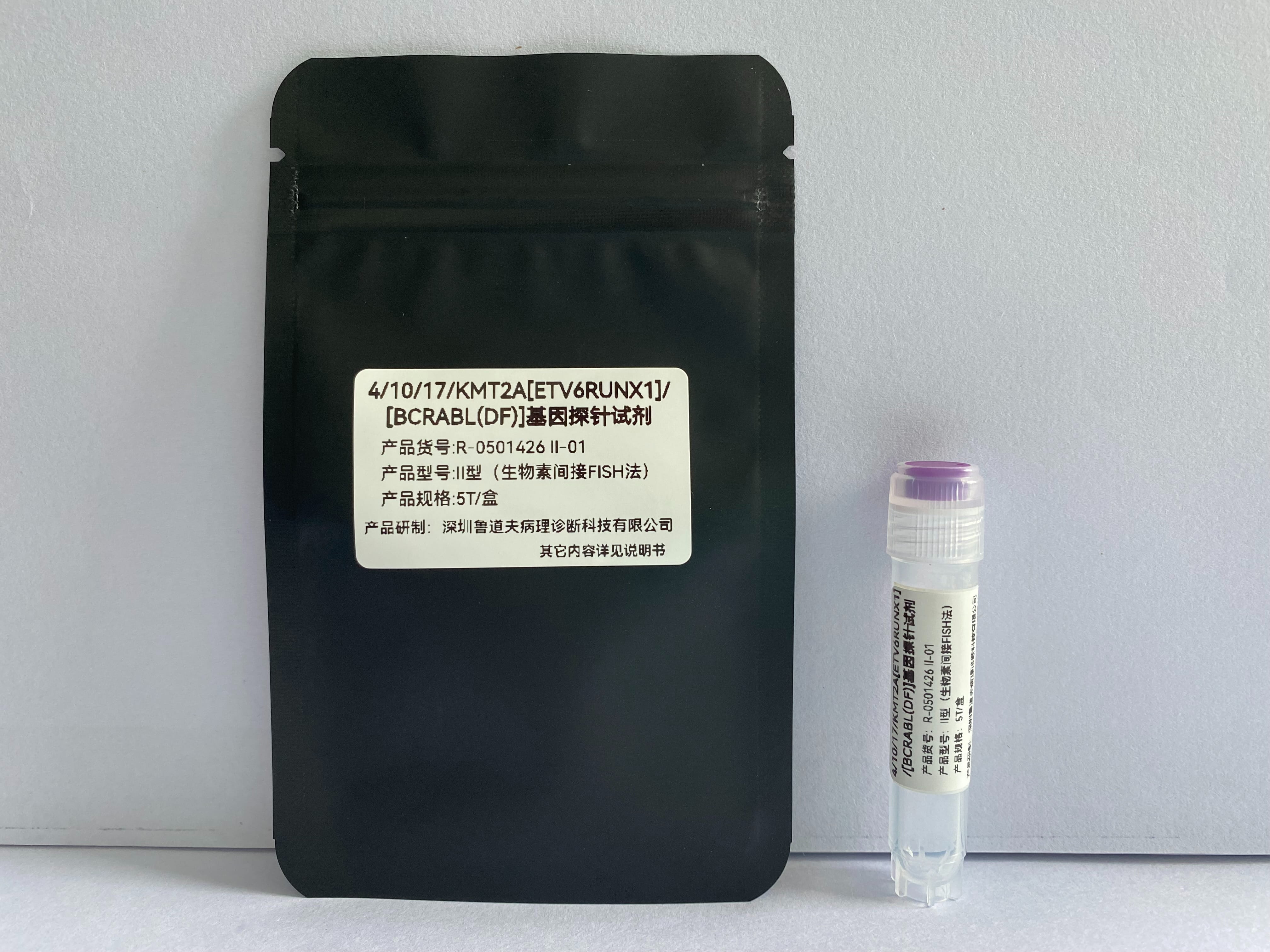
Utilizes multi-target testing for prognostic assessment, treatment regimen selection in pediatric acute lymphoblastic leukemia ALL patients.